

♥ Wishlist
Compare 10 Cordless Combi Drill products in Canada. Reviews, ratings, pros, cons and buying advice updated for October 2026.
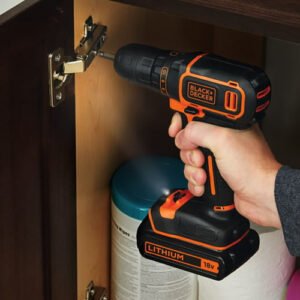
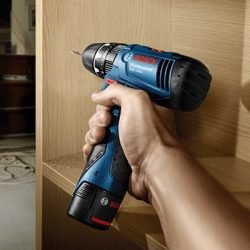
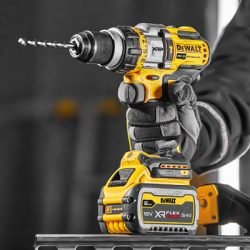
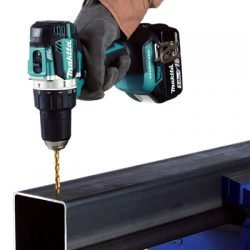
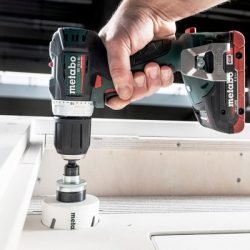
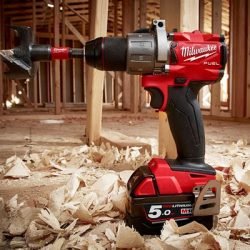
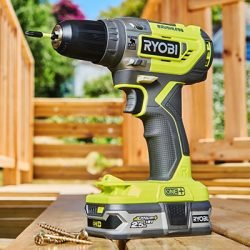


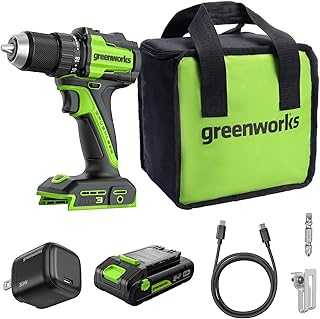
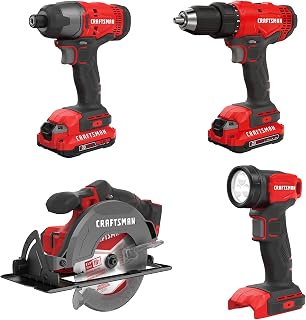

A cordless combi drill is one of the most versatile power tools for Canadian homeowners, renovators, tradespeople and DIY users. The term “precision cordless combi drill” is best understood as a buying goal rather than a single standardized technical category: the ideal tool should combine controlled low-speed drilling and screwdriving with enough power for larger holes and masonry work, while offering predictable handling and useful electronic controls.
For Canadian buyers, the best choice is rarely determined by maximum torque alone. Battery platform compatibility, chuck quality, clutch behaviour, speed control, hammer-drilling capability, ergonomics and the availability of compatible batteries can have a much greater effect on long-term usefulness.
Brands commonly encountered in this category include DeWalt, Makita, Milwaukee, Bosch, Ryobi, Metabo HPT, Hilti and Festool. Individual models can differ substantially within the same brand, so specifications should always be checked at the model level rather than assuming that every tool in a manufacturer's range has the same capabilities.
Precision is not simply a matter of having a low maximum speed. A drill becomes easier to use accurately when several systems work together: a responsive variable-speed trigger, a well-controlled clutch, a secure chuck, a rigid gear mechanism, balanced weight distribution and an appropriate speed range.
For screwdriving, precision means being able to approach the correct fastening depth without excessive overdriving. For drilling, it means maintaining a controlled rotation rate and keeping the bit aligned with the workpiece. For masonry, precision also depends on choosing an appropriate hammer setting and using the correct masonry bit.
A powerful drill can therefore be less suitable for delicate work if its controls are difficult to modulate. Conversely, a compact model may be excellent for cabinet assembly and general household work but unsuitable for demanding large-hole drilling.
The trigger is one of the most important controls for precision work. A progressive trigger should allow the user to begin slowly before increasing speed. This is useful when starting a hole, positioning a fastener or preventing a bit from wandering across a smooth surface.
Trigger response varies between models, so published maximum RPM figures should not be considered a complete description of speed control. Two drills with similar maximum speeds can feel very different during low-speed operation.
A multi-position clutch limits the amount of driving force applied during screwdriving. This can help reduce stripped screw heads, damaged workpieces and overdriven fasteners.
Clutch settings are particularly useful for cabinetry, furniture assembly, trim work and other applications where repeatable fastening depth matters. The clutch should not be treated as a substitute for selecting the correct screw, bit, speed or technique.
Most full-size cordless combi drills use a two-speed mechanical gearbox. The lower range provides higher rotational force at relatively low speed, while the higher range is intended for faster drilling and smaller bits.
A useful precision-oriented drill should make it straightforward to select the appropriate gear before beginning the task. Avoid choosing a tool solely because its advertised maximum RPM is high; the usable low-speed range is equally important.
Specification sheets can look complicated, but only a handful of measurements usually determine whether a cordless combi drill is appropriate for a particular job.
Torque is one of the most heavily marketed specifications for cordless drills, but it is easy to misunderstand. A higher advertised torque figure generally indicates a more powerful tool class, yet it does not automatically mean that the drill is the best choice for every application.
Manufacturers may publish different torque measurements or testing conditions, and maximum torque figures do not necessarily represent the force delivered during normal drilling. A tool's gearbox, electronics, battery, bit, material and operating mode all influence practical performance.
For precision screwdriving, controllability can be more valuable than chasing the highest torque specification. For large wood bits, long structural screws and demanding drilling tasks, a stronger torque class becomes more relevant.
Some manufacturers distinguish between soft-torque and hard-torque measurements. These terms describe different testing conditions and should not be compared casually across brands.
When comparing DeWalt, Makita, Milwaukee, Bosch or other manufacturers, look at the complete specification set and intended application rather than selecting the model with the largest single torque number.
Brushless motors have become common in premium cordless drills because they can be electronically controlled without traditional motor brushes. This design can support efficient operation, compact packaging and sophisticated power management.
For a buyer, the practical question is not simply whether a drill says “brushless.” Consider how the motor technology fits with the entire tool platform, the warranty terms offered by the manufacturer, compatible batteries and the type of work you expect to perform.
A brushless drill can still be the wrong purchase if it is excessively heavy, lacks the desired clutch behaviour or uses a battery platform you do not otherwise need.
If you already own cordless tools, staying within the same battery ecosystem can substantially improve the value of a new drill. A bare-tool purchase may make sense when compatible batteries and chargers are already available.
For a first cordless tool, however, the battery platform becomes a longer-term decision. Before purchasing, consider what other tools you may eventually need, including impact drivers, reciprocating saws, circular saws, grinders, lights and outdoor equipment.
Major platforms associated with brands such as DeWalt, Makita, Milwaukee, Bosch and Ryobi offer broad cordless ecosystems, but compatibility is generally platform-specific. Batteries should never be assumed to fit tools merely because their voltage appears similar.
A bare tool normally excludes the battery and charger, while a kit typically includes some combination of batteries, a charger and accessories.
Battery capacity is usually expressed in amp-hours. In simple terms, a larger capacity battery can provide more stored energy under comparable conditions, but actual runtime varies with load, material, bit size, operating speed, temperature and the tool's electronic management.
Large batteries can improve runtime but add weight. For overhead drilling or detailed installation work, a smaller battery may make the drill easier to handle. For prolonged drilling or heavy construction work, additional capacity can reduce interruptions.
Canadian users should also consider temperature. Battery performance can be affected by cold conditions, so outdoor winter work may require more practical planning than indoor workshop use.
The chuck is a critical part of a precision drill because it connects the motor and gearbox to the bit. A quality keyless chuck should securely grip compatible drill and driver bits and allow quick bit changes without requiring a separate chuck key.
When comparing models, look beyond chuck diameter. Grip quality, ease of tightening, bit retention and the overall feel of the chuck can all influence usability.
A 13 mm chuck is useful for buyers who want a general-purpose full-size combi drill. Smaller chucks can be perfectly appropriate for compact drills and lighter applications.
The “combi” designation generally means the drill can operate in several modes, commonly drilling, screwdriving and hammer drilling. Hammer mode adds a percussive action that can assist with suitable masonry materials.
Hammer mode is useful for occasional holes in brick, block and similar materials when used with the appropriate masonry bit. It does not turn a cordless combi drill into a dedicated rotary hammer.
For frequent drilling into concrete, reinforced masonry or hard construction materials, a dedicated SDS-type rotary hammer may be a more appropriate tool. A combi drill is best viewed as a versatile general-purpose option rather than a replacement for every specialized drilling machine.
This mode uses the clutch to help control fastening force. It is generally the preferred setting when driving screws where repeatability and workpiece protection matter.
Standard drilling bypasses the normal clutch behaviour and is intended for drilling operations. Select the appropriate gear and speed for the material and bit.
Hammer mode combines rotation with a rapid percussive action. Use an appropriate masonry bit and follow the bit manufacturer's instructions for the material being drilled.
A homeowner who occasionally hangs shelves, assembles furniture, installs hardware and performs minor repairs usually benefits from a balanced drill rather than the most powerful model available.
Prioritize manageable weight, a good clutch, useful speed control, a comfortable handle and a battery platform with other tools you may realistically use.
Renovators often need greater drilling capacity and longer runtime. A mid-range or full-size brushless combi drill can be a practical choice when the work involves wood, metal, masonry and extensive screwdriving.
Consider battery capacity, chuck size, torque range, auxiliary handle availability and overall ergonomics when the tool will be used for several hours.
For cabinet installation and furniture work, compact dimensions and controllable screwdriving are often more important than maximum power. A lighter drill with a predictable clutch can be easier to use accurately in confined spaces.
Professional users should evaluate the entire platform rather than the drill in isolation. Battery availability, charging options, durability features, service arrangements, tool balance and compatibility with other equipment can affect productivity over the long term.
Compact models are easier to carry and maneuver, particularly in tight spaces. They can be excellent for installation work and general household projects.
Full-size models generally provide greater capacity and may be better suited to larger holes, longer fastening tasks and heavier drilling. The trade-off is additional weight and bulk.
A cordless drill is a hand-held tool, so physical design directly affects how easily it can be controlled. Look for a handle that allows a secure grip without forcing the wrist into an awkward position.
Weight distribution is particularly important. A drill with a heavier motor or battery can feel significantly different depending on how that weight is positioned relative to the handle.
For repetitive work, small differences in balance, trigger placement and grip shape can become more noticeable than headline specifications.
Woodworking can require everything from small pilot holes to large-diameter holes for plumbing, electrical or hardware installation. Bit type and diameter should be matched to the material and desired hole.
For large holes, the drill must have sufficient capacity to maintain useful speed under load. A larger bit can place considerably more demand on the motor and battery than a small twist drill.
Metal drilling requires careful speed selection, the correct bit and appropriate technique. High speed is not automatically better. Excessive speed can generate unwanted heat and accelerate bit wear.
For repeated metal drilling, buyers should pay close attention to low-speed control and the gearbox rather than selecting a tool solely for its maximum RPM.
Hammer mode can assist with suitable brick and masonry applications. The correct masonry bit is essential, and users should follow the bit and drill manufacturer's operating guidance.
Controlled speed is especially useful when working with plastics and other materials that can melt, crack or deform if excessive heat or pressure is applied.
Maximum torque is useful for identifying a drill's general power class, but it does not tell you everything about precision, ergonomics or actual drilling performance.
A low advertised tool price can be misleading if a compatible battery and charger must be purchased separately. Compare the complete cost of the configuration you actually need.
A cordless drill can become the first purchase in a larger tool ecosystem. Consider whether the platform offers the other cordless tools you are likely to need.
A higher-capacity battery can increase runtime, but it also adds weight. For precision installation work, the lightest compatible battery may sometimes provide a better overall experience.
The hammer function of a combi drill is useful for occasional masonry drilling, but demanding concrete work can call for a dedicated rotary hammer.
Check the chuck specification before buying if you regularly use larger drill bits. A drill's maximum bit capacity should match the accessories you intend to use.
DeWalt, Makita, Milwaukee, Bosch, Ryobi, Metabo HPT, Hilti and Festool all have recognizable tool ranges, but brand reputation should not replace model-specific comparison.
When two models appear similar, use a structured comparison instead of relying on a single specification.
Customer reviews can provide useful information, but they should be interpreted alongside manufacturer specifications. Look for recurring comments about practical characteristics rather than giving too much weight to isolated praise or criticism.
For example, repeated discussion of chuck retention, battery runtime, balance, trigger control or clutch behaviour may reveal useful ownership considerations that are difficult to capture in a specification table.
It is also important to distinguish reviews of the exact model from reviews of a visually similar tool in the same product family. Model numbers and kit configurations should be checked carefully.
Canadian shoppers may encounter both 18V and 20V Max cordless tool labels. These terms should not automatically be interpreted as meaning that a 20V Max tool is inherently more powerful than an 18V model.
Manufacturers can use different conventions for nominal and maximum battery voltage. The complete tool design, battery system, motor, electronics and gearbox are more meaningful when evaluating performance.
For this reason, comparing voltage figures alone is not a reliable way to rank cordless combi drills.
Proper maintenance can help preserve performance and reduce avoidable wear.
Even a high-quality combi drill cannot compensate for an unsuitable or damaged bit. Twist bits, brad-point bits, spade bits, hole saws and masonry bits are designed for different applications.
For precision drilling, start with the appropriate bit and use a controlled speed. A sharp bit generally requires less unnecessary force than a worn one.
When drilling larger holes, particularly with accessories that create substantial resistance, maintain control and avoid exceeding the accessory's stated operating requirements.
Read the tool and accessory instructions before use and wear appropriate eye protection. Secure the workpiece whenever practical, especially when drilling materials that can catch or move.
Before drilling into walls, determine whether electrical cables, plumbing or other concealed services may be present. Do not assume that a wall is clear simply because the surface looks unobstructed.
Use the correct mode, gear and accessory for the application. Keep hands away from rotating components, and remove the battery before changing accessories or carrying out maintenance.
A combi drill is versatile, but versatility does not mean it is optimal for every job.
An impact driver can be preferable for repetitive driving of suitable fasteners because its impact mechanism is designed specifically for driving applications. A dedicated drill may be preferable where hammer functionality is unnecessary and a more specialized design is desired. A rotary hammer is generally better suited to demanding masonry and concrete drilling.
Choosing a complementary tool instead of forcing one drill to perform every task can improve both productivity and control.
Focus on essential functionality: dependable variable-speed control, a useful clutch, an appropriate chuck, reasonable ergonomics and a battery system with suitable future options.
This is often the most practical category for users who want a versatile drill for renovation, woodworking, household repairs and regular DIY projects. Look for a balance between power, weight, battery capacity and platform compatibility.
Premium models can make sense for users who place greater value on advanced electronic controls, refined ergonomics, professional tool ecosystems and intensive use. The extra expenditure is easiest to justify when the drill will be used frequently.
A cordless combi drill is a battery-powered drill that typically combines screwdriving, conventional drilling and hammer-drilling functions in one tool. It is designed as a versatile general-purpose power tool.
Precision generally refers to controllability rather than a specific industry-standard feature. A progressive trigger, useful clutch, secure chuck, appropriate speed range and balanced design can all contribute to more controlled work.
Brushless motors are widely used in modern cordless tools and can support efficient operation and sophisticated electronic control. Whether the additional cost is worthwhile depends on how frequently the tool will be used and which features matter to the buyer.
An 18V-class cordless combi drill can be suitable for a broad range of household, woodworking, fastening and renovation tasks. Actual capability depends on the specific model, battery, accessory and application.
Not necessarily. Voltage terminology differs between manufacturers, so a direct comparison should consider torque, speed, battery system, motor design, gearbox and intended application rather than voltage alone.
Not always. If your projects involve occasional holes in suitable masonry, a combi drill with a hammer function can be convenient. If you primarily drill wood, metal and other non-masonry materials, hammer functionality may be less important.
Some combi drills can handle limited concrete or masonry drilling with suitable accessories, but they are not equivalent to dedicated rotary hammers. For frequent or demanding concrete work, a specialized rotary hammer is generally the more appropriate category.
A 13 mm chuck is a versatile choice for many full-size cordless combi drills. The appropriate capacity depends on the diameter of the bits and accessories you expect to use.
If you already own compatible batteries and a charger, a bare tool can avoid unnecessary duplication. If you are entering a new battery platform, a kit can provide the components needed to start using the drill.
No. Higher capacity can provide greater runtime but usually adds weight. The best battery size depends on whether portability, balance or extended runtime is the priority.
Common brands to investigate include DeWalt, Makita, Milwaukee, Bosch, Ryobi and Metabo HPT, with Hilti and Festool also relevant to buyers evaluating premium professional tool ecosystems. The best choice should be based on the exact model and requirements rather than brand name alone.
Specifications and package configurations can change, so verify the exact model details at the time of purchase. This is particularly important when comparing battery kits, bare tools and region-specific configurations.
No. An editorial buying guide should not imply hands-on laboratory testing unless such testing has actually been performed. Buyers should use published specifications, manufacturer documentation and current customer feedback as separate sources of information.
Before choosing from a current Canadian selection of cordless combi drills, compare the complete tool rather than one headline specification. The strongest all-around candidate should match the intended materials, drilling sizes, fastening requirements and frequency of use.
The best precision cordless combi drill for a Canadian buyer is the one that provides the right combination of control, power, portability and battery compatibility for the work actually being performed. A homeowner may value low weight and straightforward clutch control, while a renovation professional may prioritize battery capacity, drilling capability and platform breadth.
Instead of choosing solely by torque, voltage or brand, compare the entire specification package. Pay particular attention to speed control, clutch behaviour, chuck capacity, battery ecosystem, ergonomics and the distinction between occasional hammer drilling and genuine heavy-duty masonry work.
For the most informed purchase, verify the current specifications for the exact model, compare the included accessories and battery configuration, read recent customer feedback carefully, and check current Canadian retailer pricing and return conditions before placing an order. This approach makes it easier to identify a cordless combi drill that offers useful capability without paying for features that do not match your projects.