

♥ Wishlist
Compare 8 Best Cordless Plunge Saws for Precise, Portable Cutting products in Canada. Reviews, ratings, pros, cons and buying advice updated for October 2026.
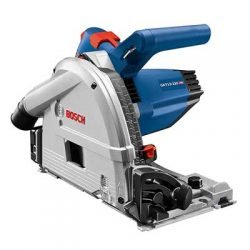
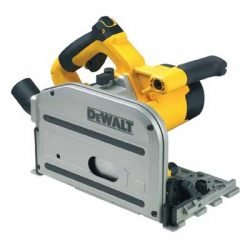
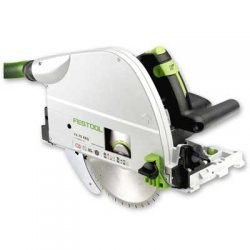
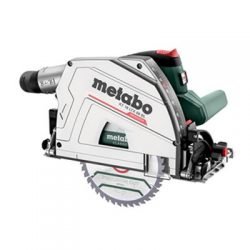




A precision cordless plunge saw is designed for controlled, repeatable cuts where accuracy, portability and clean material handling matter more than the convenience of a conventional circular saw. For Canadian buyers, the most important decision is not simply choosing the saw with the highest advertised power. Battery platform, cutting depth, guide-rail compatibility, blade quality, dust management, ergonomics and the type of sheet goods or solid wood being cut all influence whether a particular model is genuinely suitable for your work.
When comparing cordless plunge saws, consider the complete cutting system rather than the bare tool alone. A saw may have an excellent motor but provide limited value if compatible rails, batteries or chargers are expensive or difficult to source. Conversely, a slightly less powerful model can be a practical choice when it fits an existing battery ecosystem and offers the rail, blade and depth-adjustment features required for accurate work.
A plunge saw differs from a standard circular saw because the blade is lowered into the material from above rather than starting at the edge of the workpiece. This allows the operator to begin a cut at a defined location and makes the tool particularly useful for breaking down large panels, trimming worktops and producing controlled straight cuts.
The plunge mechanism is especially valuable when working with sheet materials such as plywood, MDF, melamine panels and laminated boards. With an appropriate guide rail, the saw can follow a predetermined cutting line while the operator concentrates on maintaining steady pressure and controlling the workpiece.
Blade diameter influences the maximum cutting depth available from the saw. However, maximum depth should not be evaluated in isolation. Look at the manufacturer's specified cutting capacity at common angles, particularly 90 degrees and 45 degrees, because angled cuts normally provide less effective depth than straight cuts.
For panel work, sufficient depth is important, but excessive capacity is not automatically an advantage. If most of your projects involve relatively thin sheet material, a lighter saw with adequate capacity may be easier to control than a larger system designed for substantially deeper cuts.
Cordless plunge saws are commonly built around established power-tool battery systems. Before buying, identify whether the tool is sold as a bare tool or as part of a kit and determine which batteries and chargers are required.
For Canadian users who already own cordless tools, staying within an existing ecosystem can reduce the number of different battery platforms required in the workshop. Major professional ranges from brands such as DeWalt, Makita, Milwaukee, Bosch and Festool offer cordless systems, but compatibility is generally limited to the manufacturer's intended platform and should never be assumed between brands.
Motor performance affects how confidently a plunge saw can maintain blade speed when cutting demanding materials. Brushless motors are common in modern cordless professional tools because they can provide efficient operation without conventional replaceable carbon brushes.
Electronic speed management can also be important. A well-controlled saw should maintain predictable blade behaviour as the cutting load changes. Some systems incorporate electronic protection or overload management, while higher-end platforms may include additional electronic communication between the battery and tool.
Do not judge cutting performance solely by voltage or a headline motor specification. Blade design, tooth geometry, material hardness, battery condition, cutting technique and feed rate all influence real-world results.
Variable speed can be useful when the saw is expected to handle different materials or when a particular blade calls for a controlled cutting speed. Wood, laminated panels and other materials can behave differently under a rotating blade, so having appropriate speed control can provide greater flexibility.
If your work is almost exclusively standard construction plywood, variable speed may be less important than a dependable guide-rail system. If you regularly work with delicate finishes, composite panels or specialized blades, adjustable speed may deserve more weight in your comparison.
For precision applications, the guide-rail system can be just as important as the saw itself. A plunge saw without an appropriate guide system may still produce accurate cuts, but achieving repeatability over large panels generally becomes more dependent on the operator.
When evaluating a rail-compatible saw, check how securely the tool engages with the rail and whether the manufacturer's specifications identify compatible rails. Do not assume that rails from different brands will provide the same fit, anti-tip characteristics or adjustment options.
Rail length should match the largest cuts you routinely make. A short rail may be convenient for small workpieces but require repositioning for longer panels. A long rail can simplify full-length cuts but may be less convenient to transport and store.
Some systems can connect multiple rails using dedicated connectors. If this is important to your workflow, verify the manufacturer's compatibility information rather than assuming every rail can be joined safely.
Guide rails commonly use anti-slip strips or similar features to help keep the rail positioned on the workpiece. These components can wear over time and may accumulate dust or debris. Keeping the contact surfaces clean and following the manufacturer's maintenance instructions can help preserve predictable rail behaviour.
Precision cutting requires more than simply placing a rail on a panel. The reference edge must be positioned correctly, the workpiece must be properly supported and the rail must remain stable throughout the cut. Even an excellent saw can produce an inaccurate result if the rail is incorrectly positioned or the panel moves during cutting.
A precise depth-adjustment mechanism allows the operator to set the blade exposure for the material being cut. For sheet goods, it is often preferable to expose only the amount of blade required for the task rather than unnecessarily maximizing blade depth.
Look for a depth scale that is easy to read and an adjustment mechanism that can be operated without excessive force. On precision-oriented tools, repeatable depth settings are particularly useful when making several cuts with the same material thickness.
Blade exposure affects both cutting behaviour and the amount of blade extending below the workpiece. Setting the depth appropriately can make the operation more controlled and helps avoid unnecessarily deep blade exposure.
Always follow the manufacturer's instructions for setting cutting depth and operating the plunge mechanism. The correct setting depends on the material, workpiece configuration and cutting application.
Many plunge saws support bevel cuts for applications such as cabinetry, furniture construction, flooring and angled panel work. When comparing models, examine both the stated bevel range and how easily the angle can be set and locked.
For occasional bevel work, a straightforward locking mechanism may be sufficient. For repeated furniture or cabinetry work, a more precise and repeatable adjustment system can justify giving this feature greater importance.
The saw is only one component of the cutting system. Blade selection has a major influence on surface quality, cutting speed, tear-out and suitability for particular materials.
Higher-tooth-count blades are commonly selected when a cleaner finish is desired, while lower-tooth-count blades can favour faster material removal. The correct choice depends on the material and the desired finish rather than a universal rule that more teeth are always better.
Kerf refers to the width of the cut produced by the blade. A thinner kerf can reduce material removed during the cut, while the appropriate blade must still be suitable for the saw and application. Always confirm the manufacturer's permitted blade specifications before changing blade type.
Laminated boards and finished sheet goods can be more sensitive to chipping and tear-out. A blade specifically designed for the material can provide a more appropriate balance between cutting speed and finish quality.
Solid wood presents different cutting requirements depending on species, grain direction, thickness and whether the goal is rough sizing or a finished edge. A precision plunge saw can be useful for straight sizing cuts, but the blade should be selected according to the particular woodworking application.
Dust management is an important consideration when choosing a plunge saw, particularly for indoor workshops and repeated panel cutting. A well-designed dust port can help direct cutting debris toward a compatible extraction system.
Some cordless saws are designed to work with dedicated extractors, while others provide simpler dust collection arrangements. Check the connector dimensions and manufacturer's compatibility information before assuming that an existing vacuum will connect directly.
Dust extraction should never replace appropriate personal protective equipment or safe workshop practices. Follow the tool, material and extractor manufacturers' instructions and applicable Canadian workplace or shop-safety requirements.
A precision saw needs to remain controllable throughout the entire cut. Weight, handle position, trigger design, plunge resistance and battery placement can therefore matter as much as raw motor specifications.
A heavier tool may feel stable but can become tiring during repeated overhead or extended cuts. A compact model may be easier to handle but potentially offer different cutting capacity or battery characteristics. Consider how you actually use the tool rather than choosing based only on the lowest published weight.
Battery position can change the balance of a cordless saw. A tool that feels comfortable with a compact battery may feel different with a larger high-capacity pack. If possible, consider the complete configuration rather than the bare-tool weight.
Controls should be accessible without requiring the operator to release a secure grip. Look for clearly positioned plunge, trigger and locking controls and consider whether the layout works comfortably with your normal cutting direction.
Precision cutting should always be approached as a controlled cutting operation rather than simply a search for maximum speed. Compare the safety features specified by the manufacturer and understand how each one is intended to work.
Never disable or modify a safety feature to make the tool operate differently from its intended design. Read the manufacturer's operating instructions before using a new plunge saw, particularly when working with unfamiliar materials or accessories.
The main advantage of a cordless plunge saw is freedom from the power cord. This can simplify work on large sheets, job sites and spaces where cable routing would otherwise interfere with the cutting path.
A corded model can still make sense for users who perform long, continuous cutting sessions near reliable mains power. The choice therefore depends on the working environment rather than the assumption that cordless technology is automatically superior.
The best precision cordless plunge saw for a professional cabinetmaker may be unnecessary for someone who cuts a few panels during occasional home renovation projects. Conversely, a basic DIY-oriented tool may become frustrating when used daily for repetitive precision work.
Prioritize repeatability, battery availability, rail compatibility, ergonomics, serviceability, blade availability and the broader ecosystem of compatible accessories. A professional user should consider the cost and practicality of the entire system rather than the purchase price of the bare saw.
Look for a model that offers sufficient cutting capacity, dependable depth adjustment, a practical guide-rail solution and compatibility with batteries you already own where possible. Paying for features you rarely use may provide less value than investing in a better rail and quality blades.
A simpler system can be appropriate when the tool is used only for a small number of renovation or woodworking projects. However, do not compromise on basic safety, compatible accessories or reliable cutting control merely to minimize initial cost.
Brand ecosystem can be a major purchasing factor. Established manufacturers such as Makita, DeWalt, Milwaukee, Bosch and Festool have developed cordless tool ranges that may include saws, batteries, chargers, extractors and other workshop equipment.
The right ecosystem depends on the tools you already own and the accessories you expect to purchase in the future. Before selecting a plunge saw, compare the battery platform, charger requirements, compatible rails, dust-extraction options and availability of replacement blades and accessories in Canada.
Brand reputation alone should not determine the purchase. Compare the exact model, battery generation, included accessories and manufacturer's current specifications.
A plunge saw intended for precision work is often part of a larger system. If the rail is poor, incompatible or unavailable in the required length, the saw may not deliver the accuracy expected from a guide-based cutting workflow.
A bare tool can appear less expensive than a complete kit, but the total investment changes if you need to purchase batteries and a charger separately. Compare complete system requirements rather than comparing bare-tool prices alone.
More power is not automatically synonymous with more accurate cuts. For precision applications, smooth plunge action, dependable guide-rail engagement and predictable control may be more valuable than maximum cutting speed.
A premium saw fitted with an unsuitable blade can still produce poor results. Check the blade diameter, arbor specification, permitted blade type and intended material before purchasing replacement blades.
Even a high-quality plunge saw cannot compensate for an unsupported or unstable workpiece. Panels should be supported in a manner appropriate to the cut so that the blade path remains controlled and the cut does not unintentionally close around the blade.
When reviewing the leading precision cordless plunge saws for Canada, use a consistent comparison framework. This makes it easier to distinguish meaningful differences from marketing terminology.
Because configurations can change, check the current manufacturer specification and retailer listing before purchase. A product's model name may remain the same while the included accessories, battery configuration or package contents differ between listings.
Customer reviews can provide useful information, but they should be evaluated critically. Look for comments that explain the user's application, material, battery configuration and cutting method rather than relying solely on star ratings.
Reviews become more useful when multiple customers independently discuss the same practical characteristic. For example, repeated comments about rail fit, battery balance, dust extraction or depth adjustment can be more informative than isolated statements about whether a tool feels "powerful."
Canadian buyers should consider more than the advertised tool price. The final cost of a cordless plunge saw system can include batteries, chargers, guide rails, rail connectors, replacement blades, dust-extraction accessories and storage solutions.
Availability can also vary by retailer and province. Before ordering, check the current listing for the exact model number, package contents, shipping terms, applicable taxes and return conditions. If a product is listed as a bare tool, do not assume that a battery or charger is included.
Battery-powered tools can be used in demanding environments, but lithium-ion batteries and electronic equipment should be operated and stored according to the manufacturer's temperature and handling instructions. Cold conditions can affect battery behaviour, so users working outdoors in Canadian winter conditions should pay particular attention to the battery manufacturer's guidance.
Precision equipment benefits from routine maintenance. Dust, resin and debris can accumulate around the base, rail interface, blade area and extraction port. Regular cleaning helps keep moving components operating as intended.
Guide rails are precision accessories and should be treated accordingly. Avoid dropping them, bending them or allowing debris to accumulate between the rail and workpiece. Check the condition of anti-slip strips and other consumable components and replace them when required by the manufacturer.
A precision cordless plunge saw is particularly useful when straight, controlled cuts are repeatedly required and portability matters. It can be a strong fit for cabinet panels, plywood breakdown, furniture components, worktops and other applications where a guided cutting system offers an advantage.
It may not be the best choice for every cutting operation. A conventional circular saw can be more practical for rough construction cuts, while a jigsaw may be preferable for curves and irregular shapes. A table saw can be more appropriate for repeated narrow ripping when the workshop setup and material handling requirements favour that approach.
The two tools overlap in many applications, but their workflows are different. A circular saw typically starts from an exposed edge, whereas a plunge saw can begin within the workpiece. The plunge mechanism and guide-rail interface make the latter particularly suited to controlled panel cutting.
The terms "plunge saw" and "track saw" are frequently used together because many plunge saws are designed to operate on guide rails or tracks. In buying discussions, however, it is useful to distinguish the mechanism from the complete system.
The saw provides the motor, blade and plunge mechanism. The rail provides the reference path. Accessories such as connectors, clamps and dust extraction equipment can complete the workflow. When comparing products, determine exactly what is included rather than assuming that the phrase "track saw" represents an identical package across brands.
Good technique is essential even with a high-quality cordless saw. Measure carefully, establish a clear reference edge and ensure that the material is adequately supported before starting the cut.
For a 2026 buying decision, prioritize the features that directly affect your work rather than simply choosing the newest-looking tool. A strong candidate should have a suitable battery ecosystem, adequate cutting capacity, dependable depth and bevel adjustments, a compatible guide-rail system and a blade configuration appropriate for your materials.
For users who already own cordless equipment, ecosystem compatibility can be one of the strongest practical considerations. For users starting from scratch, compare the complete system cost and accessory availability before choosing a brand.
Prioritize a compact design, manageable weight and a battery platform that does not make the saw unnecessarily cumbersome. This is particularly relevant for users moving between rooms, workshops or job sites.
Focus on guide-rail availability, rail length, battery endurance, dust extraction and comfortable handling. Long panel cuts can place greater demands on both the operator and battery system.
Look closely at guide-rail accuracy, depth adjustment, bevel control, blade options and repeatability. The ability to make consistent cuts can matter more than maximum cutting depth.
Consider versatility and setup speed. A cordless system that can move easily around a renovation site may be preferable when power outlets and cable routing are inconvenient.
There is no single model that is best for every Canadian buyer. The right choice depends on the material being cut, required depth, guide-rail requirements, battery platform, frequency of use and total system budget. Compare the exact specifications and current package contents before purchasing.
Many cordless plunge saws are designed for sheet-material applications, including plywood, but suitability depends on the particular model, blade and material thickness. Always check the manufacturer's stated cutting capacity and recommended applications.
Not necessarily. Some packages are sold as bare tools, while others include guide rails, batteries, chargers or additional accessories. Check the exact kit contents before comparing prices.
No. Guide-rail compatibility should be confirmed using the manufacturer's specifications. Different rails can have different profiles, engagement mechanisms and accessory requirements.
A brushless motor can be a useful feature in a cordless power tool because of its electronic motor design and efficiency characteristics. However, it should be evaluated alongside cutting capacity, battery system, ergonomics, rail compatibility and overall tool design.
Battery capacity can affect runtime and overall tool weight. Higher-capacity batteries may support longer operating periods but can also add weight. The appropriate choice depends on how many cuts you typically make between charging opportunities.
Use a blade designed for the material and finish you need, while staying within the saw manufacturer's permitted specifications. A suitable fine-finish blade can be more appropriate for clean panel cuts than a general-purpose blade intended primarily for rapid material removal.
Not in every application. A plunge saw and guide rail can be extremely effective for breaking down large panels and making long straight cuts, but a table saw offers a different workflow for repeated ripping and certain shop-based operations.
It can be worthwhile when your projects involve frequent straight panel cuts or when working without convenient mains power. For occasional projects involving only a few basic cuts, a simpler circular saw and suitable guide arrangement may provide sufficient capability.
Start with cutting capacity and battery compatibility, then compare guide-rail systems, depth and bevel adjustment, weight, dust extraction, blade specifications and included accessories. Finally, compare the complete system cost rather than the bare-tool price.
Before choosing a precision cordless plunge saw, use the following checklist to make sure the tool matches your actual workflow.
The lowest initial price is not always the lowest total cost. A cordless plunge saw becomes part of a system, and the long-term value depends on how effectively the saw, battery, rail, blade and extraction accessories work together.
If you already own compatible batteries, a bare-tool purchase may be sufficient. If you are entering a new battery ecosystem, compare complete kits and future accessory costs. Consider the rails you need today and the accessories you are likely to require for future projects.
It is also worth checking current retailer listings before purchasing because kit contents and pricing can change. Compare the exact model number rather than relying only on product photographs or shortened product titles.
The strongest purchase decision comes from matching specifications to actual work. For occasional panel cutting, prioritize ease of setup and sensible system cost. For professional woodworking, give greater weight to repeatability, guide-rail performance, battery availability and long-term accessory support. For renovation work, portability, dust management and battery flexibility may become more important.
Do not select a precision cordless plunge saw solely because it appears near the top of a list. Use the comparison criteria above to verify whether the individual model fits your materials, cutting dimensions, battery ecosystem and working environment. Product specifications, retailer package contents and prices should always be checked at the time of purchase because they can change during 2026.