
♥ Wishlist
Compare 34 Festool Plunge Saws products in Canada. Reviews, ratings, pros, cons and buying advice updated for October 2026.
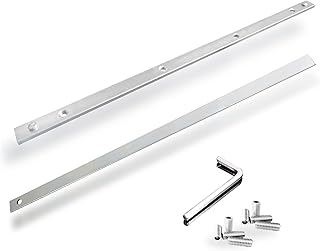


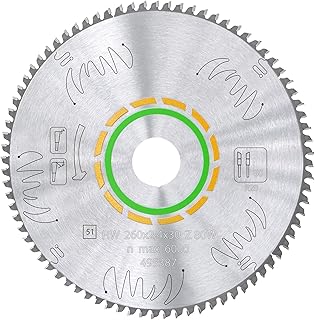
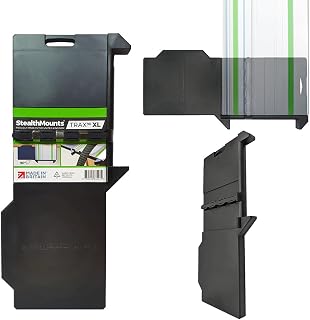





Choosing a precision plunge saw is less about finding the machine with the longest specification sheet and more about matching the saw, blade, guide system, dust extraction setup and intended material to the work you actually perform. Festool is particularly associated with track-guided cutting systems designed around controlled, repeatable cuts, but the right configuration still depends on the application.
For Canadian buyers, it is worth checking the exact North American model specification before purchasing. Pay particular attention to voltage, included accessories, blade configuration, guide-rail compatibility, depth capacity, warranty terms and what is included in the package. Model names and package contents can differ between markets and can change over time.
A plunge saw is designed so the blade can enter the workpiece at a controlled position rather than requiring the operator to begin at an exposed edge. When combined with a compatible guide rail, this makes it possible to perform long, straight and repeatable cuts with a high degree of control.
Precision comes from the complete cutting system rather than the saw alone. The following elements all contribute to the final result:
The plunge mechanism controls how the blade enters the material. A good system should allow the operator to position the saw accurately, lower it in a controlled manner and maintain predictable movement throughout the cut.
When comparing models, consider how easy the plunge action is to control, whether the depth adjustment is easy to read, and whether the saw remains stable when the blade is lowered into the workpiece. These details matter when making cabinet openings, trimming panels or producing repeated cuts.
Maximum cutting depth is one of the most important specifications to compare, but it should not be considered in isolation. Cutting depth can vary according to whether the saw is being used freehand or with a guide rail, and bevel cutting can reduce the effective depth.
Before buying, identify the thickest material you normally cut and add some practical margin. A saw that barely reaches the required depth may be less versatile than one with additional capacity.
Bevel capability is important for furniture construction, trim work, angled joints and other applications where the blade must cut at something other than 90 degrees. Look beyond the maximum advertised angle and examine how easily the bevel setting can be adjusted, locked and repeated.
A precision-oriented tool should make it straightforward to establish the desired angle without introducing unnecessary movement in the saw or guide system.
For many users, the guide rail is just as important as the saw. A quality rail provides a reference surface that helps maintain a straight cutting path and makes repeatable panel cutting substantially easier.
When comparing a Festool plunge saw package, determine whether the required guide rail is included. If it is sold separately, factor the cost of the complete system into your buying decision rather than comparing saw-only prices.
A guide rail must remain stable while the saw travels along it. Rail positioning systems, underside grip surfaces and appropriate clamps can all contribute to stability depending on the workpiece and application.
For large sheets, a secure setup is particularly important. Even a highly accurate saw cannot compensate for a rail that moves during the cut.
Dust management is an important consideration when using a plunge saw in a workshop, renovation environment or finished interior. Festool systems are widely associated with integrated dust extraction, but the effectiveness of a setup depends on the saw, extraction unit, hose, blade, material and working conditions.
Canadian buyers should consider the entire extraction system rather than judging dust performance from the saw specification alone. A compatible extractor can make a substantial difference when cutting MDF, plywood, solid wood and other dusty materials.
The supplied blade should not automatically be treated as the ideal blade for every job. Blade tooth configuration, tooth count, kerf, material compatibility and intended finish all affect cutting performance.
A blade selected for fast construction cuts may behave differently from one designed for a fine furniture finish. If your work covers several materials, investigate the appropriate blade options before choosing the saw package.
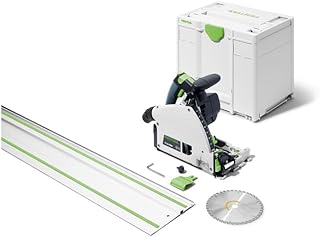
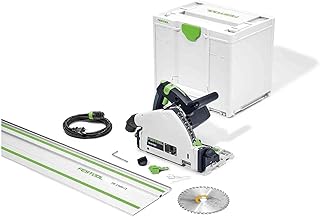
Festool's TS plunge-saw family is relevant when researching precision track-guided cutting systems. Models such as the TS 55 and TS 60 are examples of the type of Festool plunge-saw platform buyers may encounter when comparing current and previous-generation equipment.
However, model names alone should not determine a purchase. Specifications, included accessories and package configurations can vary by market and model revision. Canadian shoppers should confirm the exact product information associated with the particular listing before ordering.
When comparing two Festool models, concentrate on the differences that affect your work: cutting capacity, bevel range, handling, weight, rail requirements, blade options, dust extraction compatibility, included accessories and overall system cost.
A standard circular saw can be an excellent general-purpose tool, but a plunge saw is designed around a different workflow. The distinction becomes especially noticeable when cutting sheet goods where a straight, repeatable line is important.
Festool should not be evaluated in isolation. Buyers comparing precision cutting systems may also encounter Makita, Bosch, DeWalt and other established power-tool manufacturers. The most useful comparison is not simply which brand is "best," but which system fits the user's existing tools, accessories, materials and workflow.
Compare the complete ecosystems rather than just the saw bodies. Guide-rail availability, accessories, blades, extraction options, replacement parts and compatibility with tools you already own can influence the practical value of either system.
Bosch offers a broad range of professional power tools, making it another brand worth considering when evaluating precision cutting equipment. Compare cutting capacity, guide systems, adjustment mechanisms and the availability of accessories in Canada.
DeWalt is another major professional tool brand that may appeal to buyers who already use its equipment. For a track-guided cutting setup, compare the complete platform, including the rail system and any required accessories, rather than comparing bare-tool prices alone.
Plywood is one of the most common materials for track-guided cutting. A suitable fine-tooth blade and properly supported sheet can produce clean, controlled cuts. The correct blade should be selected according to the plywood type and desired finish.
MDF can produce significant fine dust, making extraction especially important. A sharp, appropriate blade and effective dust-management setup can improve the working environment and reduce cleanup.
Decorative surfaces can be vulnerable to chipping or breakout. Blade selection, cutting direction, rail stability and feed technique all influence the finished edge. If the visible surface is critical, prioritise a blade configuration appropriate for finished panels.
Solid wood introduces additional considerations because grain direction, moisture, species and board stability can influence cutting behaviour. Make sure the workpiece is properly supported and use a blade intended for the required type of woodcut.
Large panels benefit from a guide-rail system because establishing and maintaining a straight cutting line can be difficult with a conventional handheld circular saw. Before making a long cut, verify that the material is adequately supported along its length so the kerf does not close around the blade.
Replacing a blade can sometimes have a greater effect on the finished cut than moving from one capable saw to another. Buyers should therefore budget for the blades that match their actual materials rather than treating the included blade as a universal solution.
A guide rail establishes a physical reference for the saw. Instead of relying entirely on a pencil line and the operator's ability to maintain the saw's position, the rail provides a controlled path.
For repeated panel work, consistency is often more valuable than maximum cutting speed. Mark the intended cut accurately, position the rail carefully, confirm the offset between the rail edge and blade path, and secure the setup when necessary.
Before cutting expensive material, perform a verification cut on scrap or confirm the setup using a non-critical section. This is particularly useful when changing blades or setting a new cutting depth.
The saw cannot deliver a reliable result if the material is unstable. Support large panels so that the workpiece remains secure throughout the cut without placing pressure on the blade kerf.
Setting the blade unnecessarily deep can increase the amount of exposed blade below the workpiece and may complicate the cut. Setting it too shallow can prevent the blade from fully clearing the material.
Use a depth setting appropriate to the thickness of the workpiece and the cutting method. When working with a guide rail, account for the system's actual cutting geometry rather than assuming the marked depth corresponds directly to the full material thickness.
A low initial price can be misleading if the package excludes the guide rail, required accessories or suitable blades. Compare the cost of the complete system you actually need.
For precision track-guided work, the rail is not merely an optional accessory. If your primary reason for purchasing a plunge saw is accurate long cuts, include the appropriate rail in your total equipment budget.
Maximum depth is important, but it does not tell you how comfortable the tool is to operate, how well it integrates with your workflow or whether its guide system suits your projects.
Blades are consumable components. Before purchasing a saw, check the availability and cost of suitable replacement blades in the Canadian market.
The same basic saw can be offered in different configurations. Always inspect the exact contents of the package you are considering rather than relying on photographs or the model name alone.
Canadian buyers should confirm that the exact tool is intended for the local electrical system. Do not assume that an imported listing has the correct voltage, plug configuration or warranty coverage for Canada.
A saw-only package and a kit containing a guide rail, blades and accessories should not be compared solely on sticker price. Calculate the cost of acquiring the missing components before deciding which represents better value.
A premium plunge saw is not automatically the best purchase for every user. If your projects mainly involve rough construction cuts, occasional dimensional lumber or simple DIY tasks, a conventional circular saw may provide sufficient capability.
Likewise, users who already have a well-equipped workshop may find that a table saw, panel saw or another cutting solution handles most of their work more efficiently. The value of a plunge-saw system increases when its specific advantages solve a recurring problem.
Professional equipment often provides a broad set of capabilities, but paying for features that never enter your workflow does not necessarily improve value. Separate the features you genuinely need from those that are merely attractive on a specification sheet.
Specifications cannot fully describe how a saw feels during extended use. Consider grip position, trigger operation, balance, visibility of the cutting area and how easily the tool can be guided along the rail.
A saw that is technically capable but uncomfortable to control may produce less consistent results when used repeatedly. If possible, evaluate the physical design and controls before purchasing, especially if you expect to make numerous long cuts in a single session.
Efficient extraction is useful not only for keeping the work area clean but also for maintaining visibility around the cut. Fine wood dust can quickly accumulate when processing sheet materials.
When comparing a complete setup, consider the extractor capacity, hose compatibility, connection arrangement and whether the extraction system is practical for your workspace. A powerful saw paired with an unsuitable extraction setup may not deliver the expected overall experience.
Routine maintenance helps preserve cutting accuracy and reduces the likelihood of avoidable problems.
Precision does not replace safe operating practices. Read the manufacturer's instructions before using the tool and use the protective equipment appropriate for the material and environment.
When comparing listings, create a simple checklist rather than focusing on the headline price. This prevents an apparently inexpensive package from becoming more expensive after adding essential accessories.
The most useful definition of value is the cost of obtaining the capability you need. For example, a saw-only package may appear less expensive than a more complete kit, but the difference can disappear after purchasing a suitable guide rail and additional blades.
On the other hand, purchasing accessories you rarely use can also reduce value. Think in terms of your actual workflow: identify the cuts you make, determine which components are essential, and then compare complete configurations on an equivalent basis.
Even a high-quality plunge saw can produce disappointing results if the setup is incorrect. Start with a sharp blade suited to the material and make sure the guide rail is correctly aligned with the intended cut.
Support the workpiece adequately, set the cutting depth correctly and avoid forcing the tool. Let the blade do the cutting while maintaining a controlled feed. For visible surfaces, test the blade and cutting technique on scrap material before committing to an expensive panel.
For repeat work, create a consistent measuring and marking process. The more accurately the rail is positioned before each cut, the more repeatable the finished components will be.
Customer reviews can provide useful information, but they should be interpreted alongside technical specifications. Look for reviews that describe the actual application, material and accessories used rather than relying on star ratings alone.
Online shopping makes it easy to compare multiple listings, but precision power tools require more than a quick price comparison. Check the exact model number, package contents and seller information before placing an order.
It is also sensible to compare the current price across reputable Canadian retailers and established marketplaces. Product availability, pricing, promotional offers and package configurations can change, so the information shown at the time of purchase should be treated as the final reference.
For affiliate shopping research, use this guide as a starting point, then verify current specifications, customer reviews, warranty information, retailer policies and today's price before making a purchase.
For a thorough 2026 comparison, weight the following criteria according to your priorities rather than applying the same ranking to every project.
The best choice depends on the required cutting depth, materials, guide-rail setup, bevel requirements, accessories and budget. When comparing Festool models, evaluate the complete cutting system rather than choosing solely by model number or headline specifications.
They can be suitable for careful DIY users, but a plunge saw is still a powerful cutting tool that requires proper setup and safe operating technique. Beginners should become familiar with the manufacturer's instructions, blade installation, depth adjustment, guide-rail positioning and safe workpiece support before tackling important projects.
If your goal is accurate long straight cuts, a compatible guide rail is an important part of the system. Check the exact saw and rail compatibility before purchasing, and include the rail cost when calculating the total investment.
Not in every application. A plunge saw is particularly convenient for breaking down large sheet goods and making guided cuts, while a table saw can be better suited to repetitive rip cuts, smaller workpieces and certain workshop operations. Many professional workshops use different cutting tools for different tasks.
A plunge saw can be very useful for plywood, especially when combined with a suitable guide rail and blade. The final cut quality depends on the blade, plywood construction, support, rail positioning and cutting technique.
Yes, provided the saw and blade are appropriate for the material. MDF generates fine dust, so an effective extraction setup and appropriate respiratory and workshop safety practices are particularly important.
Very important. Blade design directly affects cut quality, speed, material compatibility and service life. Buyers should consider the blades they will need after the original blade becomes unsuitable or worn.
The choice depends on your working environment and priorities. Corded equipment can be convenient in a workshop with reliable power access, while cordless equipment can provide greater mobility. Compare the complete system, including batteries and chargers where applicable, rather than comparing the tool body alone.
Confirm the exact model, voltage, plug configuration, package contents, guide-rail compatibility, warranty terms, return policy and current Canadian pricing. Imported listings should receive particular scrutiny because electrical specifications and warranty coverage may differ between markets.
They can be worth the investment for users who regularly benefit from precision track-guided cutting and who will use the broader system capabilities. For occasional rough cutting, a less expensive circular saw may offer better value.
There is no single replacement interval that applies to every user. Blade life depends on the material being cut, cutting volume, blade type, technique and whether the blade becomes damaged or excessively worn. Replace or service the blade when its condition is no longer appropriate for the required work.
The strongest precision plunge-saw purchase is the one that fits the complete workflow rather than simply having the highest specification or most expensive price tag. Festool deserves consideration when guide-based accuracy, system integration and controlled panel cutting are central to your work, but the final decision should be based on your materials, cutting capacity, rail requirements, extraction setup and frequency of use.
Before buying, compare the exact Canadian-market configuration, verify the current specifications, check what accessories are included, read relevant customer feedback and calculate the complete cost of ownership. A properly matched saw, guide rail and blade can be considerably more useful than a more powerful tool that does not fit the way you work.
Because product specifications, package contents, pricing and availability can change during 2026, verify the current information with the manufacturer and the retailer before completing your purchase. This is especially important for Canadian buyers comparing imported and domestic listings.