

♥ Wishlist
Compare 26 Makita Plunge Saws products in Canada. Reviews, ratings, pros, cons and buying advice updated for October 2026.
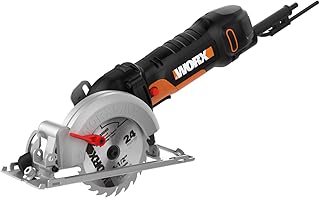





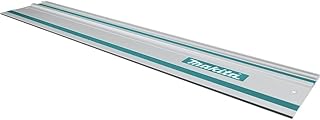


A precision plunge saw is designed for controlled, accurate cutting where the quality of the cut matters as much as the ability to remove material. For Canadian woodworkers, cabinetmakers, renovation professionals and serious DIY users, a Makita plunge saw can be particularly appealing when a track-guided cutting system, predictable plunge action and clean sheet-goods cuts are more important than the versatility of a conventional circular saw.
The right choice is not simply the saw with the highest power rating or the longest feature list. A useful comparison should consider the complete cutting system: saw, blade, guide rail, dust extraction, work support, electrical or battery setup and the materials you expect to cut. Compatibility between these components can have a greater practical effect on precision than a small difference in motor specifications.
When comparing Makita plunge saws for the Canadian market, pay particular attention to the exact model number and included accessories. Similar-looking versions can differ in power source, included guide equipment, regional packaging and accessory configuration. Always verify the specifications and package contents for the Canadian version before purchasing.
A conventional circular saw normally begins a cut at an exposed edge of the workpiece. A plunge saw is designed so the blade can descend into the material from above. This makes it useful for breaking down large panels, making internal cuts and producing controlled cuts where starting from the edge is inconvenient or undesirable.
The plunge mechanism also makes the tool easier to position precisely before the blade enters the workpiece. When combined with a guide rail, the saw can follow a predetermined cutting path instead of relying entirely on the user's ability to maintain a straight line.
For cabinetry and furniture work, this combination can reduce the amount of correction required after cutting. It is especially useful when working with sheet materials such as plywood, MDF, melamine-faced panels and other manufactured boards where a wandering cut can waste an expensive panel.
Guide-rail compatibility is one of the most important considerations when choosing a precision plunge saw. A track-guided saw is only as useful as the rail system supporting it. Before buying, determine whether the saw is supplied with a compatible rail or whether the rail must be purchased separately.
Also consider the lengths of rails available for your typical work. A shorter rail may be convenient to transport, while a longer rail can make full-width sheet cuts easier. Joining multiple rails can provide additional flexibility, but connectors must be installed correctly so the joined rails remain straight.
If you already own a guide-rail system, compatibility should be checked before choosing a saw. Avoid assuming that rails from different manufacturers will provide identical fit, alignment or accessory compatibility simply because they appear physically similar.
The plunge action should feel controlled and predictable. A good plunge mechanism allows the operator to position the saw accurately, lower the blade smoothly and maintain control throughout the cut.
Look for practical adjustment and locking controls that can be operated without forcing the tool out of position. If you regularly perform shallow cuts, check how easily the plunge depth can be set and whether the depth system provides a useful reference for repeated work.
Depth control matters for both precision and safety. When cutting sheet goods on a sacrificial surface, setting the blade only slightly deeper than the material can reduce unnecessary damage to the surface underneath.
For work involving expensive panels, flooring, doors or furniture components, accurate depth adjustment can also help prevent accidental contact with hidden supports or surfaces beneath the workpiece.
A plunge saw intended for professional woodworking should be evaluated for more than straight 90-degree cuts. Bevel capability becomes important when making angled joints, fitting panels or producing compound components.
When comparing models, examine the adjustment scale, locking mechanism and ease of returning the saw to a known angle. A bevel system that is technically capable but difficult to set accurately can be less useful in practice than a simpler system with clear, repeatable controls.
Precision cutting depends on knowing where the blade is going. A well-designed plunge saw should provide useful visibility around the cutting area while maintaining appropriate guarding and dust control.
Guide rails make the process more predictable because the rail establishes the path, but the operator still needs to position the rail correctly. For critical cuts, measure from the correct reference edge and account for the relationship between the rail and the blade.
Buying a precision plunge saw without considering blade selection is a common mistake. The saw provides the movement and control, but the blade determines much of the finished cut quality.
Different materials and finishes can require different tooth configurations. A blade selected for fast construction cuts may not be the best choice for producing a clean finished edge on a laminated panel.
One of the most important buying decisions is whether a corded or cordless configuration better suits your workspace. Makita offers power-tool platforms in both categories, but the ideal choice depends on where and how you work.
For Canadian buyers, cordless tools can be especially convenient on renovation sites where the work area changes frequently. However, battery condition, available batteries, charging time and the demands of the material being cut should all be considered before assuming that cordless is automatically better.
Dust management is a major consideration when using a plunge saw indoors. Cutting MDF, plywood and other engineered materials can generate substantial airborne dust. A suitable extraction setup can help keep the workspace cleaner and improve visibility around the cutting area.
When comparing Makita plunge saws, consider the dust-port arrangement and whether it works conveniently with the extraction equipment you already use. A dust extractor that is technically compatible but awkward to connect can discourage consistent use.
Dust collection should never be treated as a substitute for appropriate respiratory protection, ventilation and workplace controls. Follow the safety instructions supplied with the saw, blade and materials being cut.
The versatility of a plunge saw depends heavily on the blade, saw configuration and manufacturer's stated capabilities. Typical woodworking applications can include sheet goods and solid wood, but users should always confirm the allowable materials and cutting limits for the exact model.
Plywood is one of the most natural applications for a track-guided plunge saw. Long straight cuts can be established with a guide rail, while an appropriate blade can help produce a cleaner finished edge.
MDF can produce significant fine dust, making extraction particularly important. Blade condition is also important because a poor-quality or worn blade can make the finished edge less satisfactory.
Laminated surfaces can be susceptible to chipping. Correct blade selection, stable support and controlled feed speed can all contribute to a cleaner result.
A plunge saw can be useful for certain solid-wood applications, particularly when making controlled straight cuts. However, a plunge saw should not automatically replace a table saw, mitre saw or other specialist machine when those tools are better suited to the job.
Large sheets should be adequately supported before cutting. Unsupported material can move, sag or close against the blade, creating poor results and potentially hazardous cutting conditions.
Do not assume that the guide rail sits directly on the intended cut line. Establish the rail position using the manufacturer's stated offset or the method appropriate to your particular saw and rail system.
Depending on the material, work surface and rail design, additional securing may be appropriate. A rail that moves during a cut can ruin an otherwise accurately measured panel.
Follow the manufacturer's operating procedure and avoid forcing the saw into the material before it is ready to cut. Controlled feed pressure generally produces more predictable results than trying to accelerate the saw through the workpiece.
Sawdust and debris between the rail and workpiece can affect positioning. Regularly inspect the underside of the rail and the work surface before important cuts.
A precision plunge saw is often purchased as though it were a standalone tool. In reality, the guide rail is an important part of the system. If the saw does not include the rail you need, calculate the total cost of the complete setup before comparing alternatives.
More power is not automatically equivalent to greater precision. For panel cutting, rail compatibility, plunge control, blade quality, ergonomics and depth adjustment can be just as important.
A saw is only one part of the long-term ownership cost. Professional users who cut different materials regularly may need several blades, and replacement blades eventually become a recurring expense.
A cordless tool may look attractive at first glance, but the complete purchase can include batteries and a charger if these are not already available. Compare the complete system cost rather than comparing bare-tool prices with corded kits.
Physical similarity does not guarantee proper compatibility. Confirm the saw and rail combination before purchasing accessories.
Long guide rails require suitable storage. If rails are bent, damaged or poorly stored, even a highly precise saw cannot compensate for a compromised guide system.
Makita has produced several plunge-saw configurations over time, including corded and cordless designs. Model availability and packaging can differ by market, so Canadian buyers should compare the exact model designation rather than relying on a generic product name.
Well-known Makita plunge-saw families include the SP6000 series and cordless plunge-saw models associated with Makita's battery platform. When researching a particular model, check the Canadian manufacturer's information and the current retailer listing for the exact version, included accessories and supported guide-rail configuration.
Older model numbers may continue to appear in retailer listings or search results even when newer configurations are available. This does not automatically make an older saw a poor choice, but it makes it important to verify parts, accessories and current availability before committing to a particular system.
Rather than ranking every model according to one universal score, compare each option against the type of work you actually perform.
A corded configuration can make sense when the saw remains in a workshop and is used for repeated panel breakdown. Continuous mains power can be convenient for extended sessions, particularly when paired with a dedicated dust-extraction setup.
A cordless configuration can be attractive when portability and freedom from power cords are priorities. This is particularly relevant for renovation work where the cutting area may be different from one job to another.
Prioritise repeatability, rail control, clean blade performance, accurate depth adjustment and dust management. The most powerful configuration is not necessarily the most suitable if your primary objective is clean, controlled panel preparation.
Consider the total system cost and how frequently you will use the saw. If only a few projects are planned, spending heavily on accessories that will remain unused may not provide good value. If several renovation or woodworking projects are expected, a higher-quality rail system can become more valuable over time.
If your main work involves breaking down large sheets into accurate straight sections, a plunge saw and guide rail can be highly useful. If most of your work involves rough framing, short cuts or general construction, a conventional circular saw may be more practical.
Suitability depends on the exact model, workload and application. Professional users should evaluate durability, ergonomics, cutting requirements, accessory availability, service considerations and compatibility with existing equipment rather than relying on the brand name alone.
Choose cordless when mobility and compatibility with your existing battery platform provide meaningful benefits. Choose corded when continuous workshop operation is more important and mains power is readily available.
A properly positioned guide rail can make long straight cuts substantially easier to reproduce. It does not eliminate the need for accurate measurement, appropriate material support and correct saw setup.
Not completely. A plunge saw is excellent for breaking down panels and making guided straight cuts, while a table saw can offer advantages for repeatable ripping, smaller workpieces and certain production-oriented operations. The tools serve overlapping but different purposes.
No. Blade dimensions, mounting specifications, speed ratings and other requirements must match the saw. Use blades that are appropriate for the specific Makita model and the material being cut.
Precision equipment benefits from regular inspection. Even a high-quality plunge saw can produce disappointing results when the blade is worn, the guide system is contaminated or adjustment mechanisms have accumulated debris.
Precision does not remove the risks associated with a high-speed cutting tool. Read the instruction manual for the exact saw before operating it and use the guards, controls and protective equipment specified by the manufacturer.
Secure the workpiece appropriately, keep hands away from the blade path and ensure the guide rail is positioned so that the saw can travel through the complete cut without obstruction. Never force a saw through material or continue operating a tool that has developed an abnormal sound, movement or other indication of a problem.
Dust control is particularly important when cutting engineered wood products. Use appropriate extraction and personal protective equipment based on the material, workplace and applicable safety requirements.
Start with a suitable blade. Even the best track system cannot compensate for a blade that is inappropriate for the material or excessively worn.
Next, establish a stable work surface. Large panels should be supported sufficiently to prevent movement while leaving a clear path for the blade. Position the guide rail carefully and verify the measurement before switching on the saw.
Use a controlled feed rate. Pushing too quickly can reduce cut quality, while excessively slow feeding can also create unnecessary heat or other cutting problems depending on the material and blade. Let the blade and saw perform the work rather than applying excessive force.
For visible finished surfaces, test the chosen blade and technique on an offcut when practical. This allows you to verify the cut quality before committing to an expensive panel.
The lowest purchase price is not necessarily the lowest overall cost. A complete precision cutting system can include the saw, guide rail, rail connectors, clamps, blades, dust extraction accessories and batteries for cordless configurations.
For occasional users, a basic configuration may be sufficient. For frequent cabinetmaking or professional panel work, investing in a robust guide system and maintaining appropriate blades can have a larger impact on productivity.
When comparing Canadian listings, compare the complete package rather than the tool name alone. Two listings for what appears to be the same saw can have materially different accessory contents.
Makita is not the only manufacturer with track-guided cutting equipment. Buyers may also encounter systems from brands such as Festool, Bosch, DEWALT and Milwaukee. The strongest choice depends on the ecosystem that best matches your existing tools, rails, batteries, dust extraction and working habits.
Festool is well known for its integrated track-based woodworking ecosystem. Bosch offers professional woodworking and cutting equipment with its own range of accessories. DEWALT and Milwaukee are particularly relevant to users already invested in their respective cordless tool platforms. Makita can be attractive when its cutting equipment and battery ecosystem align with the user's existing workshop or jobsite setup.
Do not compare brands using motor specifications alone. Compare the entire workflow, including guide-rail availability, battery compatibility, dust management, adjustment controls, blade options and accessory costs.
A Makita plunge saw is worth considering if you regularly cut large panels and want more control than a freehand circular saw typically provides. It can be particularly useful for cabinet installation, furniture construction, renovation work, flooring-related cutting and workshop panel breakdown where straight, repeatable cuts are important.
It may be less appropriate if your work is dominated by rough framing, very short cuts, heavy-duty timber processing or applications better served by dedicated stationary equipment.
A track saw is not the universal answer to every cutting task. A mitre saw is generally more convenient for repeated crosscuts and angled cuts on suitable stock. A table saw can be preferable for repeated ripping and certain smaller workpieces. A jigsaw is better suited to many curved or irregular cuts. A conventional circular saw can be the more economical choice for general construction work.
The most useful question is therefore not simply whether a Makita plunge saw is good, but whether its particular strengths match the work you perform most often.
When choosing among the best precision Makita plunge saw options for 2026, focus on the complete cutting system rather than a single specification. Confirm the exact model, power source, blade requirements, guide-rail compatibility, cutting capacity, bevel adjustment, dust extraction and included accessories.
For workshop users, a corded system can provide straightforward continuous operation. For mobile tradespeople and renovation work, cordless operation can offer greater freedom. For cabinetmakers and furniture builders, repeatability, guide-rail performance, blade selection and dust control deserve particular attention.
Before purchasing, compare current Canadian retailer listings, verify the exact package contents, read recent customer feedback for the precise model and check the manufacturer's current specifications. Availability, accessories and pricing can change during 2026, so information from an older listing should not automatically be treated as current.
The best option depends on the user's application, power requirements and existing equipment. A workshop user may prefer a corded configuration, while a mobile user may favour cordless operation. For precision panel cutting, guide-rail compatibility and accurate control should be weighted heavily in the decision.
They can be well suited to plywood when the exact saw, blade and guide system are appropriate for the job. Use an appropriate blade, provide stable support and follow the manufacturer's cutting recommendations.
They can be used for appropriate MDF applications when the saw and blade are rated for the task. Because MDF produces fine dust, effective extraction and suitable protective measures are especially important.
Bevel capability depends on the exact model. Check the manufacturer's specifications for the particular Canadian model before buying if angled cutting is important to your work.
Package contents vary by model and retailer configuration. Never assume a guide rail is included simply because the product is described as a plunge or track saw. Confirm the exact contents of the listing you intend to purchase.
Choose corded if you prioritise continuous workshop operation and have convenient access to mains power. Choose cordless if portability is more important or you already use compatible Makita batteries.
Match the blade to the exact saw, material and desired finish. Consider diameter, mounting requirements, tooth count, tooth geometry and intended application. For finished sheet goods, prioritise a blade designed for clean cutting rather than simply choosing the fastest-cutting option.
It can be worthwhile when your projects involve repeated large-panel cuts, built-in cabinetry, furniture construction or renovation work. If you only need occasional rough cuts, a conventional circular saw may provide sufficient capability at a lower overall system cost.
It is highly relevant for indoor woodworking and for materials that generate substantial fine dust. A compatible extraction system can improve cleanliness and visibility, but it should be used alongside appropriate workplace ventilation and protective measures.
Verify the exact model number, Canadian configuration, power source, blade specification, guide-rail compatibility, included accessories, battery and charger status for cordless kits, current retailer price, return conditions and the manufacturer's current specifications.
Before making a final decision, use this checklist to compare the options consistently:
The best precision Makita plunge saw is the one that fits the complete way you work. Precision comes from the interaction of the saw, guide rail, blade, material support, measurement technique and operator control—not from the tool's headline specification alone.
For Canadian buyers in 2026, compare the exact Makita model and package configuration, then look beyond the saw itself. A well-matched guide rail, suitable blade, effective dust extraction and appropriate power source can turn a capable plunge saw into a dependable precision cutting system. Take the time to compare specifications, accessories and current customer feedback before making the final purchase decision.