

♥ Wishlist
Compare 55 Power Tool Combo Kits in Canada products in Canada. Reviews, ratings, pros, cons and buying advice updated for October 2026.
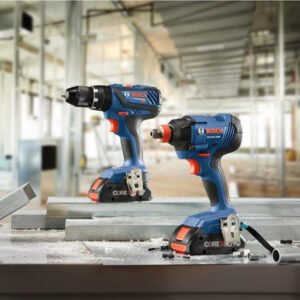
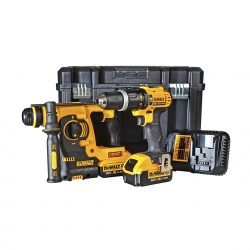
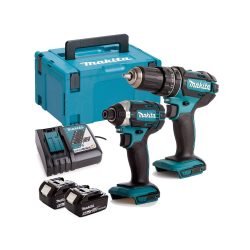
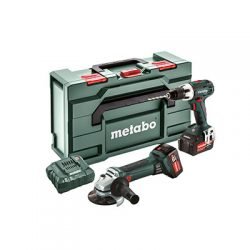
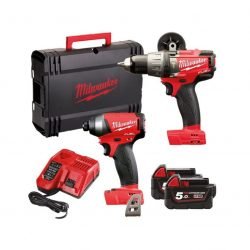
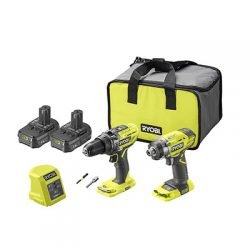


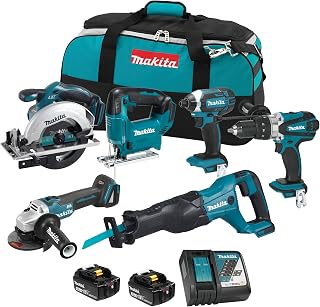
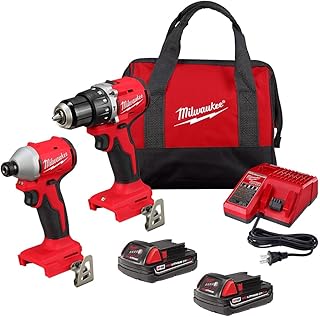


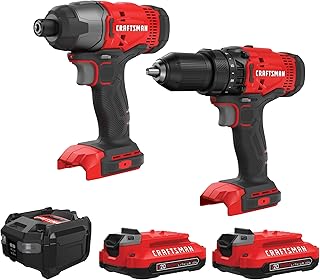


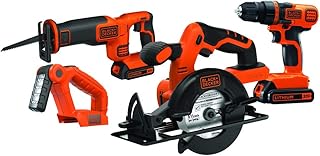
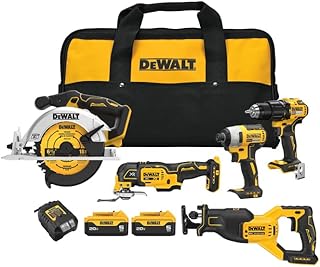


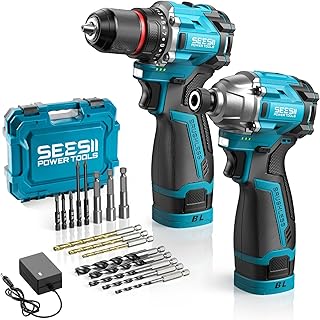


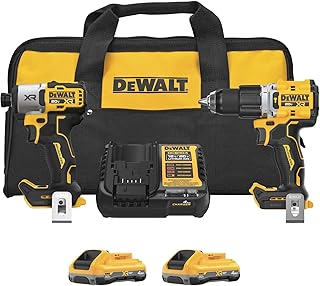


Choosing a precision power tool combo kit is less about buying the largest bundle and more about selecting a coordinated set of tools that matches the work you actually perform. A well-chosen kit can provide a drill/driver, impact driver, saw, light, oscillating multi-tool, or other compatible tools while allowing one battery platform and charger system to serve several applications.
For Canadian buyers, the decision also involves factors that are easy to overlook during a quick comparison. Battery platform availability, charger compatibility, replacement battery cost, cold-weather storage, tool ergonomics, warranty terms, included accessories, and the availability of individual bare tools can all affect the long-term value of a combo kit.
Brands such as DeWalt, Milwaukee, Makita, Bosch, Ryobi, RIDGID and Metabo HPT offer different approaches to cordless tool ecosystems. The best choice is therefore not necessarily the kit with the highest tool count. It is the platform that gives you the right combination of performance, compatibility, durability and future expandability.
A power tool combo kit is a package containing multiple tools designed to operate within the same battery or electrical ecosystem. The exact contents vary considerably, so buyers should inspect the complete specification rather than judging a kit by the number printed in its title.
A typical cordless combination may include several of the following:
Some kits are designed for homeowners and DIY projects, while others target professional tradespeople. A smaller kit containing fewer high-quality tools can be more useful than a large bundle containing tools that rarely leave the storage case.
For most cordless combo-kit buyers, the battery ecosystem is one of the most important purchasing decisions. Once you begin accumulating compatible tools, changing platforms can mean buying additional batteries, chargers and replacement equipment.
Before selecting a kit, consider whether you expect to add tools later. If you already own compatible equipment, staying within the same platform can make practical and financial sense, provided the new kit meets your performance requirements.
Look beyond the initial kit and examine the wider ecosystem. A useful platform should offer the types of tools you may eventually need, such as drills, saws, grinders, lights, sanders and specialty equipment.
Battery specifications can be confusing because capacity, voltage, physical size and real-world runtime describe different characteristics. A higher-capacity battery generally stores more energy within a compatible battery family, but it may also add weight and bulk.
For precision work, the largest available battery is not automatically the best option. A compact battery may make a drill or impact driver easier to control during overhead work, cabinet installation, electrical work or other applications where balance matters.
For saws, grinders and other power-hungry tools, a larger battery can be attractive because these tools can place greater demands on the battery system. However, the appropriate battery depends on the tool, workload and platform design.
When comparing kits, look at the actual battery specifications rather than simply counting batteries. Two kits with the same number of batteries can have substantially different practical value if their capacities differ.
Voltage should not be used as the sole measure of tool quality. Tool performance depends on the motor, electronics, gearing, battery system, mechanical design and application. A compact cordless tool can be extremely useful even when its primary advantage is maneuverability rather than maximum output.
Canadian shoppers should also distinguish between nominal platform voltage and marketing terminology used for a battery family. Compare tools within the same manufacturer's ecosystem and pay attention to the manufacturer's stated specifications rather than assuming that a larger number automatically means a better tool.
The drill is often the foundation of a combo kit. A conventional drill/driver is appropriate for drilling many common materials and driving screws, while a hammer drill adds a hammering function intended for drilling into masonry and similar materials.
If your projects regularly involve concrete, brick or block, a hammer drill may be considerably more useful than a standard drill. For routine furniture assembly, woodworking, shelving, cabinetry and general household repairs, a conventional drill/driver may be sufficient.
Buyers should also consider clutch adjustment, speed settings, chuck design, overall length and grip comfort. Precision fastening benefits from controllability just as much as maximum torque.
An impact driver complements a drill rather than simply replacing it. Its compact chuck and impact mechanism are particularly useful for driving screws, structural fasteners and other applications where higher rotational impact can reduce the tendency to stall under load.
For users who frequently install long screws, assemble decking, perform framing work or carry out demanding fastening tasks, an impact driver can become one of the most frequently used tools in a combo kit.
For delicate work, however, maximum power is not always desirable. Excessive torque can damage fasteners or materials. Variable-speed control and appropriate bit selection remain important when working with smaller screws and finished surfaces.
Combo kits often include a circular saw or reciprocating saw. These tools serve very different purposes, so the better choice depends on the type of cutting you expect to perform.
A circular saw is generally intended for controlled straight cuts through sheet goods, lumber and other suitable materials. When evaluating one, consider cutting capacity, blade size, bevel adjustment, visibility of the cut line, shoe construction and overall handling.
A reciprocating saw is more closely associated with demolition, renovation and rough cutting. It can be useful for cutting through appropriate wood, plastic, metal and construction materials when the application and blade are suitable.
An oscillating multi-tool can be particularly valuable for precision renovation work. Its compact blade movement allows access to areas where a conventional saw may be difficult to position. Typical uses can include flush cutting, detail work, scraping and sanding with the correct accessory.
The word “precision” should mean more than simply a small tool size. For detailed work, buyers should evaluate the characteristics that influence control, repeatability and handling.
Brushless motors are now common across many higher-end cordless tool ranges. Unlike brushed motor designs, brushless systems do not use traditional carbon brushes to transfer electrical current to a rotating motor component.
Depending on the manufacturer's design, brushless tools can offer advantages in efficiency, electronic control, heat management, runtime and maintenance requirements. They can also occupy an important position in professional-oriented battery platforms.
That does not mean every brushed tool is a poor purchase. For occasional DIY use, a less expensive brushed tool may provide adequate capability. The correct comparison should consider purchase cost, expected frequency of use, workload and the value of the broader battery ecosystem.
Specifications rarely communicate how comfortable a tool will feel during actual work. Weight distribution can be just as important as total weight. A tool that is technically powerful but awkwardly balanced may be less pleasant to use for repeated precision tasks.
Consider the location of the battery, handle shape, trigger placement, grip circumference and overall tool length. Compact tools are especially valuable in confined areas, while larger tools may provide advantages when sustained high-load work is required.
If possible, compare the physical dimensions of the tools rather than relying only on photographs. A few centimetres of additional length can matter when working between studs, under cabinets or inside equipment enclosures.
Construction quality should be evaluated as a complete system rather than by one metal or plastic component. A professional-grade tool can combine engineered plastics, metal gearing, reinforced housings, sealed electronics and other materials selected for different functions.
When comparing models, examine the areas that experience repeated stress: chuck construction, gear housing, trigger mechanism, battery interface, saw shoe, adjustment mechanisms and accessory attachment points.
For tools intended for demanding jobsite use, protection against dust, debris, drops and environmental exposure may also matter. Buyers should verify the manufacturer's stated protection features rather than assuming that a tool is weatherproof simply because it is marketed for professional applications.
Canadian conditions can influence how cordless power tools should be selected, stored and maintained. A tool that performs well in a heated workshop may encounter very different conditions when transported to an unheated garage, vehicle or outdoor jobsite during winter.
Lithium-ion batteries can behave differently in cold conditions. Reduced temperature can affect available performance and charging behaviour. Users should follow the battery manufacturer's storage, operating and charging instructions rather than attempting to force-charge a battery that is outside the recommended temperature range.
Keeping batteries protected from extreme temperature swings and allowing them to reach an appropriate temperature before charging can be an important part of responsible battery care.
For corded tools and chargers, confirm that the product is intended for the electrical system in the Canadian market. Avoid assuming that a visually identical charger or tool sold in another country has identical electrical requirements.
For cordless equipment, verify the included charger and its compatibility with the Canadian electrical supply before purchasing an imported package.
The ideal number depends on your workload. A three-tool kit can be more practical than a ten-tool bundle if it contains the equipment you actually use.
A larger number of included tools can make a kit appear attractive, but unused tools do not create much practical value. Determine which tools you will use regularly before comparing package size.
Two kits can both advertise multiple batteries while supplying substantially different capacities. Read the battery specifications carefully and consider whether the included batteries suit the most demanding tool in the package.
A combo kit can become the starting point for years of future purchases. Choosing a platform solely because one kit appears inexpensive can be frustrating if the ecosystem later lacks the specialist tools you need.
Once you own batteries and chargers, bare tools can be an efficient way to expand your collection. Check the ecosystem's available tool categories before committing to a platform.
A collection of cordless tools becomes much easier to manage when batteries, chargers and accessories have a practical storage system. Consider whether the kit's bag or case is appropriate for how you transport and organize your equipment.
Maximum output is useful for demanding applications, but precision work often benefits from control, balance, speed adjustment and appropriate torque management.
Brand comparison should focus on the entire ecosystem rather than attempting to declare one manufacturer universally superior. DeWalt, Milwaukee and Makita have extensive cordless ranges aimed at demanding users, while Bosch offers a broad selection of professional and DIY-oriented equipment. Ryobi is particularly relevant to homeowners and DIY users who value a wide range of compatible equipment.
RIDGID and Metabo HPT are also worth considering depending on the tools, platform requirements and purchasing criteria involved. Product generations change, so compare the specific model numbers and battery families rather than relying solely on brand reputation.
When evaluating DeWalt combo kits, pay attention to the specific battery family, included tool class and whether the package is designed around compact, standard or higher-output equipment. The ecosystem's breadth can make platform expansion an important part of the comparison.
Milwaukee combo kits can appeal to users who want access to a large professional-oriented cordless ecosystem. Compare the exact tool generation and battery configuration because similarly named kits can differ in meaningful ways.
Makita is another major cordless platform with a broad range of tools. Buyers should compare battery architecture, tool size, ergonomics and the specific included equipment rather than assuming that all kits within a brand have the same performance characteristics.
Bosch offers cordless and corded tools across several categories. For precision-focused work, examine tool dimensions, control features, accessory compatibility and the exact battery platform represented by the kit.
Ryobi can be particularly relevant for homeowners and DIY users who want to build a broad collection around a shared battery system. A kit should still be evaluated according to the actual tools, battery capacities and workload requirements.
These brands can provide additional alternatives when comparing cordless ecosystems. The most useful approach is to compare specific kits on battery configuration, tool quality, ergonomics, intended workload and long-term platform compatibility.
Professional and DIY tool kits can overlap in appearance while serving different priorities. A professional user may place greater emphasis on sustained performance, durability, serviceability, ergonomics and platform breadth. An occasional homeowner may place more importance on versatility, manageable cost, compact storage and ease of use.
There is no universal reason to buy the most expensive professional-oriented kit. If the tools will only be used occasionally for household repairs, a capable mid-range ecosystem may provide a more sensible balance.
Conversely, buying a basic kit for daily construction work can result in compromises that become apparent through frequent battery changes, increased fatigue or insufficient tool capability.
Before purchasing a precision power tool combo kit in Canada, review the following specifications and package details:
Battery compatibility can be more complicated than matching a brand name. Manufacturers may operate multiple battery families, generations or voltage systems, and physical compatibility does not necessarily mean that every combination offers identical functionality.
Always check the manufacturer's compatibility information for the exact tool and battery model. This is particularly important when purchasing older inventory, clearance packages or kits containing tools from different generations.
A combo kit's accessories should be assessed separately from its tool count. A circular saw without an appropriate blade, for example, may require additional purchases before it can perform a particular task. Similarly, an oscillating multi-tool can become significantly more versatile when the correct cutting and sanding accessories are available.
Inspect exactly what is included. Look for drill bits, driver bits, saw blades, sanding accessories, carrying equipment and other consumables where relevant. Do not assume that every photograph represents the complete package.
Good maintenance can help keep a cordless tool collection reliable and ready for use. Follow the manufacturer's instructions for every tool and battery, particularly for cleaning, charging and storage.
Remove dust, chips and debris from vents and external surfaces. Accumulated debris can interfere with cooling and moving components. Use cleaning methods recommended by the manufacturer and avoid introducing moisture into electrical components.
Check batteries for visible damage, swelling, cracked housings, damaged contacts or other abnormalities. Do not use a battery that appears damaged. Follow the manufacturer's instructions for disposal or replacement.
Store batteries according to the manufacturer's recommendations and protect them from extreme temperatures, moisture and physical damage. Avoid leaving batteries exposed in vehicles where temperatures can become severe.
Worn drill bits, damaged blades and unsuitable accessories can reduce cutting or drilling performance and create avoidable safety risks. Replace accessories when they no longer meet the manufacturer's intended condition.
Every tool should be used according to its manufacturer's operating instructions. Appropriate eye protection, hearing protection, respiratory protection and other protective equipment may be necessary depending on the material and application.
Before changing a blade, bit or accessory, follow the manufacturer's procedure for isolating the tool from its power source. For cordless tools, removing the battery is an important part of many maintenance and accessory-change procedures, but users should follow the specific instructions supplied with the tool.
Never bypass guards, safety mechanisms or electronic protection systems. Use the correct accessory for the material and tool, secure the workpiece appropriately and maintain a stable working position.
The strongest value proposition is usually created when several included tools become regular parts of your workflow. Before purchasing, make a simple list of the projects you expect to complete over the next year.
A combo kit can be attractive when you need several tools at the same time. Buying tools individually can be better when you already have a battery platform or only need one specialist tool.
Do not assume a combo kit is always cheaper. Compare the actual tools and battery configuration against the individual bare-tool alternatives. A bundle can include a tool you do not need, while a carefully selected individual purchase may give you a more focused collection.
On the other hand, if you need several core tools and batteries, a coordinated kit may reduce duplication and simplify charging and storage.
Customer reviews can provide useful information, but they should be read critically. A review describing a tool as “powerful” does not necessarily tell you whether it is appropriate for precision work, heavy construction or occasional household use.
Look for recurring observations about ergonomics, battery life, balance, chuck performance, trigger control, storage, accessory compatibility and durability. Give more weight to reviews that explain the application and operating conditions rather than relying on a simple star rating.
It is also useful to compare reviews across multiple versions of a product. A manufacturer may update a kit while retaining similar naming, so confirm that the comments apply to the exact model you are considering.
When comparing current prices in Canada, make sure the packages contain equivalent equipment. One listing may include two high-capacity batteries while another includes several smaller batteries. Another may include a premium brushless tool while a visually similar package contains a different tool specification.
Compare the complete package using a checklist:
Checking today's price is useful because power tool bundle pricing can change, but the lowest current price should not automatically determine the purchase. Platform compatibility and tool usefulness can have greater long-term value.
A combo kit can be a strong choice for homeowners starting a cordless collection, DIY enthusiasts expanding their workshop, property maintenance users, renovators and tradespeople who need several compatible tools.
It may be less suitable for someone who needs only one specialist tool or already owns a comprehensive battery ecosystem. In those situations, buying a specific bare tool may avoid unnecessary duplication.
A large kit is not necessarily better for occasional users. If several included tools will remain unused, you may be paying for equipment that adds little practical value. Extra batteries and accessories can also become unnecessary storage items if the workload does not justify them.
Instead, build around your most common tasks. A smaller collection of well-matched tools can be easier to maintain, transport and expand.
For a 2026 purchase, start by identifying the battery ecosystem you want to use for the foreseeable future. Then compare individual combo kits within that platform. This approach prevents the tool count from becoming the primary purchasing criterion.
Next, compare the exact model numbers and battery capacities. A kit containing newer-generation tools may be more appropriate for a demanding workload, while a simpler package may be perfectly adequate for occasional DIY projects.
Finally, verify the current package contents, Canadian compatibility, manufacturer warranty information and current retailer pricing before making a purchase. Product configurations can change, so information from an older listing should not be assumed to apply to the current package.
There is no single best kit for every Canadian buyer. The right option depends on the tools required, battery platform, workload, budget, ergonomics and future expansion plans. Compare the exact package contents and specifications rather than choosing solely by brand or tool count.
Neither is universally better. Cordless tools provide portability and eliminate the need for a nearby power outlet, while corded equipment can be useful when continuous operation is more important than mobility. For a multi-tool collection, cordless platforms can provide convenient battery sharing across compatible tools.
Brushless technology can offer useful advantages in efficiency, electronic control and long-term tool design, particularly for frequent users. For occasional DIY work, however, the value depends on the price difference and the actual workload.
There is no universal ideal number. Consider how many tools you expect to operate simultaneously and whether the batteries have enough capacity for your highest-demand applications. Two appropriately sized batteries can sometimes be more useful than several smaller batteries.
Only when the manufacturer specifies compatibility. Battery systems are designed around particular tool and battery families, and compatibility should be confirmed using the exact model information.
If you regularly cut lumber, sheet goods or other appropriate materials, a circular saw can be one of the most useful additions to a general-purpose kit. If your work is primarily fastening, drilling or cabinet installation, another tool may provide greater value.
Not necessarily, but the two tools complement each other. A drill offers greater versatility for drilling and controlled fastening, while an impact driver can be particularly useful for demanding screw-driving and fastening applications.
Review the manufacturer's current warranty documentation for the exact model and market. Pay attention to the warranty period, registration requirements, exclusions and whether separate terms apply to batteries and chargers.
No. The appropriate tool depends on the workload. Professional-oriented equipment can make sense for frequent demanding use, while a capable DIY-oriented platform may be sufficient for occasional household projects. Compare the actual specifications and intended use.
Buy a combo kit when several included tools match your immediate needs. Build slowly when your requirements are uncertain or when you already own batteries and chargers from a compatible platform.
The best precision power tool combo kit is the one that fits your actual work rather than the one with the longest feature list. Start with your most frequent projects, choose a battery ecosystem that can grow with you, and then compare the exact tools, battery capacities, accessories and specifications included in each package.
For Canadian buyers, also consider battery behaviour in cold conditions, charger compatibility, Canadian-market specifications, warranty documentation and the availability of additional tools and batteries. Brands including DeWalt, Milwaukee, Makita, Bosch, Ryobi, RIDGID and Metabo HPT can all be worth investigating, but the specific kit and model number matter more than the logo on the case.
Before purchasing, compare current specifications, read verified customer feedback, check the complete package contents and review today's pricing from trusted Canadian retailers. A careful comparison at this stage can help you avoid paying for tools you will rarely use while ensuring that the battery platform remains useful for future projects.