

♥ Wishlist
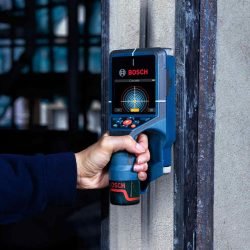
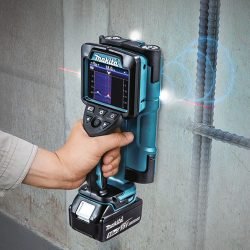


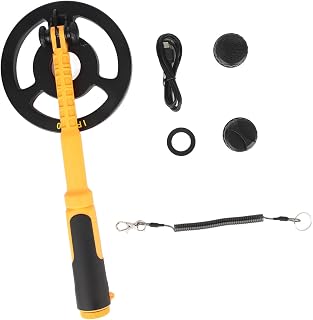

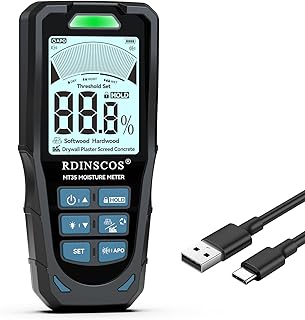


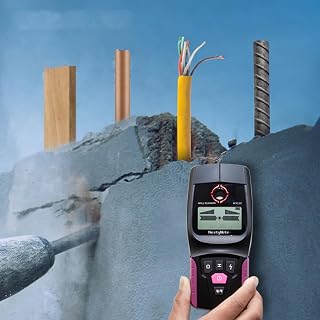


A cordless wall scanner is a useful detection tool for homeowners, tradespeople, contractors and DIY enthusiasts who need to understand what is hidden behind a wall surface. Instead of relying only on visual clues or traditional measuring methods, an electronic wall scanner can help identify objects such as wooden studs, metal components, pipes and electrical wiring. This makes it especially useful before drilling holes, installing cabinets, mounting televisions, fitting shelves or carrying out renovation work.
Battery-powered operation gives cordless models an important advantage when working across rooms, job sites and areas where access to a power outlet is limited. A compact scanner can be carried alongside a drill, driver, measuring tape and other essential tools without adding the restriction of a mains power cord. For Canadian homeowners and professionals working on residential or commercial projects, portability can make repeated scanning considerably more convenient.
Modern wall scanners can combine several detection functions in one handheld device. Depending on the model, users may be able to scan for wood studs, metal objects, live AC wiring and pipes. Some products also provide different scanning modes for different materials or wall conditions. When selecting a scanner, consider which materials you regularly encounter rather than choosing a model based solely on the number of detection modes advertised.
Stud detection is useful when mounting shelves, cabinets, televisions, brackets and other fixtures. A scanner can help locate the position of structural or framing members behind drywall, making it easier to select suitable fastening points.
Metal detection can help identify hidden metal components, while electrical detection modes are designed to alert users to potentially live wiring. These functions can be valuable when planning drilling or cutting work. However, electronic detection should always be treated as an aid rather than a guarantee that a wall is free of hazards.
Some multifunction wall scanners are designed to identify pipes or other concealed materials. This can be particularly helpful during plumbing, bathroom, kitchen and renovation projects where hidden services may run through walls or floors.
The best cordless wall scanner depends on the type of work you plan to do. Look for a clear display that makes detection results easy to interpret, particularly when working in dim areas or at awkward angles. Multiple scanning modes can improve versatility, while automatic calibration can make setup quicker for routine jobs.
Detection depth is another important consideration. Greater scanning depth can be beneficial for thicker materials, but advertised depth varies according to the material, construction and environmental conditions. Consider real-world wall types rather than relying on a single maximum-depth figure.
Battery performance also matters for cordless equipment. A rechargeable battery can be convenient for frequent use, while compatibility with an existing battery platform may reduce the need to maintain additional chargers and battery types. Ergonomic design, weight, control layout and screen readability are equally important if the scanner will be used for extended periods.
For occasional home projects, a straightforward stud finder or multifunction wall scanner may provide the features needed for hanging fixtures, assembling furniture or completing minor renovations. Professionals may prefer a more advanced scanner with multiple detection modes, deeper scanning capabilities, clearer graphical feedback and compatibility with an established cordless tool battery system.
Options associated with brands such as Bosch and Makita can appeal to users already invested in those manufacturers' cordless platforms, while simpler multifunction scanners can be practical for homeowners who need a dedicated detection device. The most suitable choice should be based on detection requirements, operating convenience and the surfaces being scanned.
Before scanning, remove nearby objects that could interfere with detection and follow the manufacturer's calibration procedure. Move the scanner steadily across the surface rather than rushing through the scan. When a target is indicated, scan the surrounding area from multiple directions to better understand its position.
Wall scanners can improve confidence before drilling, but they should not replace safe working practices. Electrical wiring, plumbing and structural components can be installed in different configurations, and detection performance can vary with wall construction and environmental conditions. Always follow the manufacturer's instructions and use appropriate precautions before drilling, cutting or fastening.
Whether you are installing a television, mounting cabinets, renovating a room or working on a professional construction project, a reliable wall scanner can make concealed-object detection faster and more convenient. Compare scanning modes, detection capabilities, display features, battery requirements, ergonomics and intended applications to find a model that matches your needs. For Canadian shoppers, cordless wall scanners provide a practical way to add portable detection capability to a home toolkit, workshop or professional job site.
Find the right cordless wall scanner for renovation, installation, construction and DIY projects across Canada. These battery-powered detection tools help locate hidden studs, metal objects, pipes and electrical wiring before drilling, cutting or fastening into a wall or floor. Compare practical features such as detection modes, scanning depth, display quality, battery operation and ease of use to choose a wall scanner suited to your project.