

♥ Wishlist
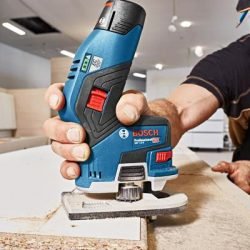
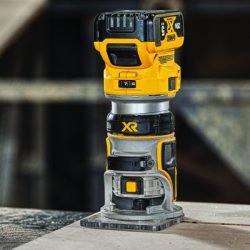
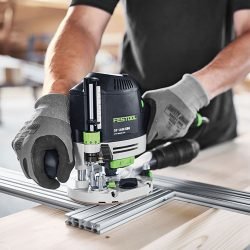
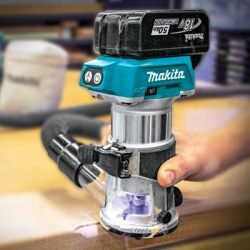
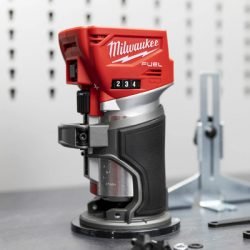
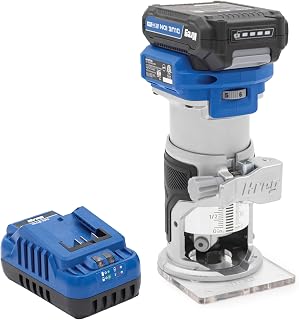


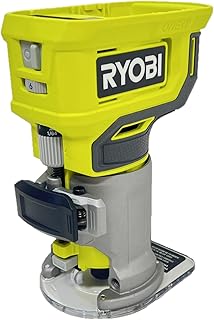


A cordless router is a battery-powered woodworking tool designed for routing, trimming, shaping and creating detailed profiles in wood. Unlike corded models, a cordless router does not need to remain connected to an electrical outlet while you work. This makes it particularly useful for mobile jobs, renovations, installation work, workshops and DIY projects where freedom of movement matters.
For Canadian shoppers, choosing the right cordless router means looking beyond the basic battery voltage. The ideal model depends on the type of routing you plan to do, the materials you work with, the router bits you use and how long you expect to operate between charges. Compact trim routers can be convenient for edge work and smaller projects, while more capable models may provide additional power, speed control and adjustment options for demanding applications.
Cordless routers are versatile tools for woodworking and finishing tasks. They can be used for trimming laminate or wood edges, rounding corners, creating decorative profiles, cutting grooves and dados, flush trimming and other controlled routing applications. Their compact design can also make them easier to manoeuvre around workpieces compared with larger workshop machines.
For DIY users, a cordless trim router can be useful for furniture projects, shelving, cabinetry, workbenches and general home improvement. Professional users may value the portability of a battery-powered router when working on job sites where access to mains power is limited or where a trailing cord would interfere with the work.
Battery voltage is one factor that can help indicate the intended performance of a cordless router, but it should not be considered in isolation. Compare battery capacity, motor efficiency and expected runtime as well. If you already own compatible batteries from a cordless tool platform, a bare-tool router can be an economical option because you may not need to purchase another battery and charger.
Variable speed can provide greater control when working with different router bits and materials. Being able to adjust the operating speed may help you balance cutting performance, finish quality and control for the task at hand. Always follow the manufacturer's recommended speed range for the bit being used.
Precise depth adjustment is important when making controlled cuts. Look for a router with an easy-to-use adjustment mechanism and a stable base. Some cordless routers are available with fixed or plunge-style configurations, while certain models may support interchangeable or additional bases. Choose the setup that matches the routing work you perform most often.
A balanced, comfortable router can make a noticeable difference during longer jobs. Consider grip design, overall weight, switch placement and visibility around the bit area. Integrated LED lights can also improve visibility when working in darker areas or when the router base partially obstructs the cutting zone.
Canadian shoppers can find cordless routing tools from established power-tool manufacturers including DeWalt, Makita, Milwaukee, Bosch, Festool and Ryobi, along with other brands and compatible options. Each manufacturer may use a different battery platform, so check whether the router is sold as a tool-only product or as a kit containing batteries and a charger.
Battery-platform compatibility can be especially important if you already own cordless drills, saws or other tools from the same ecosystem. Using batteries you already have can reduce the overall cost of adding a cordless router to your workshop while keeping charging equipment simpler.
Start by identifying your primary application. For light edge trimming, compact furniture work and detailed DIY projects, a smaller trim router may provide the control and portability you need. For more demanding routing, consider motor performance, speed range, depth adjustment, base stability and battery capacity.
Next, check router-bit compatibility and the included accessories. Confirm the collet size and make sure it works with the bits you intend to use. Also compare whether the product includes a battery, charger, guide, case or additional base. Product listings can vary considerably between bare-tool and complete-kit configurations.
Finally, compare current availability, customer feedback and overall value before purchasing. Prices and stock can change, so Canadian shoppers should review the current product listing for the latest details. A well-matched cordless router can provide excellent portability and control while making woodworking tasks more convenient.
The biggest advantage of a cordless router is freedom from a power cord. You can move around a workbench, job site or installation area without managing an extension cable. Battery operation can also make setup faster for small jobs and improve portability when the workpiece cannot easily be moved to a stationary workshop tool.
For Canadian DIY enthusiasts and professionals, the right cordless router can be a practical addition to a broader cordless tool collection. Focus on the applications you perform most frequently, choose a battery platform that makes sense for your existing equipment and prioritise precision, control and ergonomics alongside raw power.
Find a cordless router that gives you the freedom to shape, trim and finish wood without being restricted by a power cord. Our cordless router category helps Canadian woodworkers, contractors and DIY users compare battery-powered routing tools from popular brands and find options suited to precision work, portability and everyday workshop use.