

♥ Wishlist
Compare 53 Corded Caulking Guns for Precise Sealant Application products in Canada. Reviews, ratings, pros, cons and buying advice updated for October 2026.


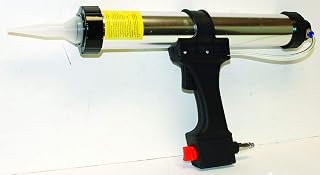


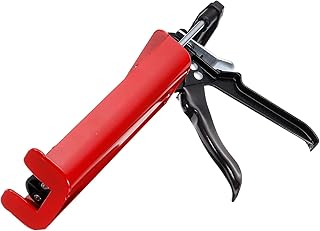


A precision corded caulking gun can be a practical choice when consistent dispensing, controlled bead application and uninterrupted operation matter more than cordless portability. Unlike manual caulking guns, powered models reduce the repeated hand force required to dispense sealant. For Canadian contractors, renovators, tradespeople and serious DIY users, the most important decision is not simply choosing the most powerful tool. Cartridge compatibility, dispensing control, motor behaviour, trigger response, nozzle control, sealant viscosity and the availability of replacement components all affect how accurately a powered caulking gun performs.
The term precision is especially important for finishing work. A tool that moves material too quickly can create an oversized bead, while inconsistent pressure can leave gaps or require excessive tooling. A well-matched powered caulking gun should allow the user to establish a steady flow appropriate for the sealant and application. Before buying, compare the specifications of individual models rather than assuming that every electric caulking gun provides the same level of control.
A corded caulking gun uses mains electrical power rather than relying on a rechargeable battery. This can be useful for stationary workshop work, repeated renovation projects or jobs where continuous operation is more important than freedom of movement. The trade-off is that the power cord becomes part of the working environment and can restrict movement around ladders, scaffolding, cabinets, windows and other obstacles.
Powered dispensing can also make demanding sealants easier to handle. High-viscosity materials may require considerably more force than standard acrylic or lightweight sealants. A powered mechanism can provide the pushing force needed to move the material through the cartridge and nozzle, but the tool still needs appropriate speed control and mechanical capacity for the particular product being dispensed.
Speed control is one of the most important features for precision caulking. Different sealants behave differently, and the ideal dispensing rate can also change with temperature, nozzle opening and material age. A tool with adjustable speed gives the operator more control than a simple on-or-off mechanism.
Look for a trigger and speed-control arrangement that permits gradual changes rather than abrupt jumps in output. Fine control is particularly useful around corners, joints, trim, windows, doors, cabinetry and other areas where excessive sealant creates additional cleanup.
The trigger is the primary interface between the operator and the dispensing mechanism. A responsive trigger allows small adjustments to the material flow while maintaining the desired bead size. A trigger that is difficult to modulate can make detailed work unnecessarily difficult even if the motor itself has adequate power.
When comparing models, consider whether the control system supports gradual dispensing, whether the trigger is comfortable during extended use and whether the design makes it easy to stop dispensing precisely at the end of a joint.
Pressure release is another important consideration because sealant can continue to move after the trigger is released if pressure remains on the cartridge. A pressure-release mechanism can reduce unwanted material discharge, although the exact behaviour varies by design.
This feature can be particularly useful when working with expensive sealants or when clean finishing is important. It should not replace proper technique, nozzle preparation and manual control, but it can make dispensing easier to manage.
The pushing mechanism determines how effectively the tool can dispense thicker materials. Higher pushing force is not automatically better for every application. Excessive force combined with aggressive speed can make a tool harder to control when working with softer sealants.
Consider the materials you actually intend to use. Standard acrylic caulk, silicone sealant, polyurethane products, construction adhesive and other high-viscosity compounds can behave very differently. Always check the manufacturer's compatibility information for the exact cartridge or sausage-pack format and material you plan to dispense.
Cartridge size and format should be checked before purchase. Not every powered caulking gun accepts every cartridge configuration, and some tools may be designed around particular capacities or dispensing systems.
Before ordering, compare the tool's documented cartridge capacity with the products commonly used for your projects. If you regularly alternate between different sealants, broader compatibility may be more valuable than maximum dispensing force.
The nozzle determines the shape and approximate size of the bead, while the plunger transfers force to the cartridge. A properly matched plunger and cartridge help produce predictable material flow.
Pay attention to how easily the cartridge is loaded, how securely it is held and whether the plunger arrangement accommodates the materials you use. A tool that is powerful but awkward to load can slow down repetitive work.
Power should be evaluated in relation to dispensing control rather than treated as a single specification. A motor with sufficient mechanical force can be useful for thick materials, but practical performance depends on the complete drive system, gear reduction, trigger control and compatibility with the sealant.
For precision applications, controllability is often more important than maximum output. The best choice for a trim installer may be different from the best choice for a construction professional regularly applying dense adhesive or sealant.
Choosing a caulking gun without considering the sealant can lead to disappointing results. The same dispensing tool may behave differently depending on the viscosity and temperature of the material inside the cartridge.
Silicone, acrylic latex, polyurethane sealants, construction adhesives and specialty compounds can require different amounts of dispensing force. Cold conditions can also make some materials noticeably harder to dispense. This is especially relevant in Canada, where construction and renovation work may take place in significantly different temperatures throughout the year.
Always check the product documentation for the sealant and powered gun together. Compatibility should include the cartridge dimensions, material type, dispensing force and recommended operating conditions.
Even the best powered caulking gun cannot compensate for a poorly prepared surface. Remove loose material, dirt, dust, old failing sealant and other contaminants according to the requirements of the specific application. Surfaces should be prepared in accordance with the sealant manufacturer's instructions.
The nozzle opening has a direct effect on bead size. A smaller opening can help with narrow joints, while a larger opening may be appropriate for wider gaps. Make the cut appropriate for the joint rather than assuming a large opening will make the job faster.
Bead consistency depends on both dispensing rate and movement speed. If the gun moves too quickly, the bead may become too thin. If material is dispensed faster than the gun moves, excess sealant can accumulate.
Use the lowest practical dispensing speed that allows you to maintain a continuous bead. With practice, coordinate trigger pressure and hand movement so that the material leaves the nozzle at a predictable rate.
A consistent nozzle angle helps maintain uniform contact with the joint and makes it easier to control the bead. Follow the sealant manufacturer's application recommendations, particularly for movement direction and tooling.
Some sealants require tooling to achieve the intended finish and contact with the joint surfaces. Follow the manufacturer's instructions for tooling, timing and compatible methods. Avoid treating every sealant as if it has identical curing and finishing requirements.
The decision between corded and cordless power is primarily a workflow decision. Corded equipment can make sense where reliable access to mains electricity is available and long periods of uninterrupted operation are expected. Cordless tools are generally more convenient where mobility, ladders, exterior work or movement between rooms is important.
Brands such as Makita, DeWalt and Milwaukee have extensive power-tool ecosystems, but product availability and specific caulking-gun configurations can differ by market and product generation. Canadian buyers should verify the exact model's current specifications rather than assuming that a familiar tool brand offers the same product range in every country.
For a corded tool, confirm that the electrical specifications are appropriate for use in Canada. Check the rated voltage, plug configuration and manufacturer's operating requirements before purchasing an imported or marketplace-listed model.
Think about where the gun will actually be used. A cord may be manageable at a workbench but inconvenient when sealing windows, working from a ladder or moving between rooms. Extension-cord requirements should also be considered in accordance with applicable electrical safety guidance.
Temperature affects many sealants. Material can become more resistant to flow in cold conditions, potentially increasing the force needed for dispensing. A tool that performs well with a particular material under normal indoor conditions may feel substantially different in a cold work environment.
Do not assume that a high-powered gun solves every cold-weather dispensing problem. Follow the sealant manufacturer's storage, application and temperature requirements.
A powered caulking gun is a mechanical tool, so long-term ownership involves more than the initial purchase. Consider whether the manufacturer's documentation identifies replacement plungers, racks, drive components or other serviceable parts where applicable.
Also consider the availability of compatible cartridges and nozzles through Canadian retailers. A tool is less convenient if the consumables required for your normal work are difficult to source.
More force does not automatically produce a better bead. Precision work depends on the ability to regulate output. A highly powerful mechanism can actually be harder to control when paired with a material that requires relatively little force.
Always verify cartridge dimensions and supported formats. A tool that does not accommodate your preferred sealant packaging may become impractical regardless of its other specifications.
Sealant viscosity, formulation and temperature can substantially affect dispensing. Compare the intended materials with the gun's specifications before making a purchase.
Weight distribution, grip design, trigger position and overall balance become increasingly important during repetitive applications. A tool that feels acceptable for a short repair may become tiring during a full renovation.
Cord management can affect productivity and safety. Consider whether the cable will interfere with movement around the work area and whether suitable electrical access is available.
Marketplace descriptions can omit important information. Before purchasing, compare the official specifications for cartridge compatibility, electrical requirements, operating controls and supported applications whenever manufacturer documentation is available.
When comparing precision corded caulking guns, avoid ranking every product by a single specification. Instead, evaluate each candidate against the requirements of your actual work.
A corded powered caulking gun can be useful for professionals and experienced DIY users who regularly dispense sealant and have convenient access to electrical power. It can also make sense for workshop-based applications where portability is not a major requirement.
For occasional household repairs, however, a manual caulking gun may remain sufficient. The additional cost and complexity of powered equipment should be justified by the frequency of use, material viscosity, desired consistency and reduction in hand effort.
Maintenance begins with preventing cured sealant from accumulating around moving components. Follow the manufacturer's cleaning instructions and remove residue before it hardens wherever the instructions permit.
Inspect the plunger, drive mechanism and cartridge holder periodically for contamination or damage. If the mechanism begins moving irregularly, slipping or producing inconsistent pressure, stop using the tool until the cause has been identified.
Do not apply lubricants, solvents or cleaning chemicals unless they are appropriate for the specific tool and component. Some materials can damage plastics, seals or electrical components. Manufacturer instructions should take priority over generic maintenance advice.
Store the tool in a clean, dry location and protect the power cord from sharp bends, crushing and unnecessary abrasion. Keep the dispensing mechanism protected from cured material and inspect the tool before its next use.
Cleaning requirements vary according to the sealant used. Some products can be cleaned relatively easily before curing, while others become extremely difficult to remove once hardened. Follow the sealant's instructions and the caulking gun manufacturer's recommendations rather than using an aggressive solvent without checking compatibility.
Read the manufacturer's operating instructions before using a powered caulking gun. Keep hands away from moving components and the plunger mechanism during operation. Disconnect the tool from electrical power before performing cleaning, inspection or maintenance that requires access to moving or internal components.
Use appropriate personal protective equipment for the sealant and work environment. Product safety information should be consulted for skin, eye, ventilation and chemical-handling requirements.
Electrical safety is equally important. Inspect the cord and plug before use, avoid damaged electrical equipment and keep electrical connections appropriate for the working environment. When using an extension cord, select one suitable for the equipment and conditions.
The lowest advertised price is not necessarily the lowest total cost of ownership. A better comparison considers dispensing performance, cartridge compatibility, expected frequency of use, maintenance requirements and the availability of suitable consumables.
Before purchasing, compare current specifications from multiple Canadian retailers and check recent customer feedback for recurring issues. Reviews can be useful for identifying practical concerns such as awkward cartridge loading, trigger behaviour or difficult cleanup, but individual experiences should be evaluated alongside manufacturer specifications.
Availability can change throughout 2026, so verify current stock, delivery terms and pricing with the retailer before completing a purchase. Product specifications can also change between generations, making the exact model number more important than the brand name alone.
The best choice depends on the material being dispensed, cartridge format, desired control, frequency of use and available electrical access. Rather than selecting one tool solely because it has the highest power rating, compare dispensing control, compatibility and ergonomics against your intended applications.
They can be better for users who regularly dispense sealant or adhesive and want to reduce hand effort. A manual gun can still be the more practical option for small or infrequent jobs where maximum dispensing power is unnecessary.
Neither type is universally better. Corded models can provide continuous electrical operation, while cordless models offer greater mobility. The better format depends on the work environment and whether access to electrical outlets is convenient.
It may be possible when the specific gun supports the cartridge and the sealant's dispensing requirements. Always verify compatibility with the manufacturer before use, particularly for high-viscosity silicone and specialty formulations.
Some powered dispensing tools are designed for adhesives as well as sealants, but compatibility varies. Check the manufacturer's specifications for the exact product, cartridge format and required dispensing force.
Not necessarily. Thrust determines how much force the mechanism can apply, whereas precision also depends on speed adjustment, trigger control, pressure management, nozzle size and operator technique.
Residual pressure can continue pushing material through the nozzle. Some powered designs include a pressure-release mechanism intended to reduce this effect. Nozzle size, sealant viscosity and cartridge pressure can also influence material flow.
Yes. Temperature can change the viscosity and application behaviour of many sealants. Canadian users should pay particular attention to the sealant manufacturer's recommended application and storage temperatures.
Choose an opening appropriate for the joint and the manufacturer's application recommendations. A larger opening generally allows more material to pass through, while a smaller opening can provide better control for narrower applications.
Verify the exact model number, electrical specifications, cartridge compatibility, included accessories, current price, retailer terms and recent customer feedback. Product listings can contain incomplete or outdated information, so manufacturer documentation should be used to confirm important specifications.
A precision corded caulking gun should be selected as a complete dispensing system rather than as a simple power tool. The right combination of controlled speed, adequate thrust, cartridge compatibility, comfortable handling and dependable pressure management can make a substantial difference to the quality and consistency of finished joints.
For 2026 purchases in Canada, compare the individual specifications of the products in this guide, verify the exact model before ordering and consider the sealants you use most often. Pay particular attention to electrical compatibility and worksite practicality if the tool will be used outside a workshop. Trusted power-tool brands such as Makita, DeWalt and Milwaukee may be worth considering where their specific models match your requirements, but the exact product specifications should always determine the final choice.
Most importantly, buy according to your workflow. A contractor applying long runs of dense sealant may prioritize dispensing force and durability, while a homeowner performing occasional trim or bathroom work may benefit more from simple controls, manageable handling and broad cartridge compatibility. Comparing those factors carefully is a more reliable way to identify the right precision corded caulking gun than choosing based on brand recognition or headline power alone.