

♥ Wishlist
Compare 26 Cordless Drywall Cutters products in Canada. Reviews, ratings, pros, cons and buying advice updated for October 2026.


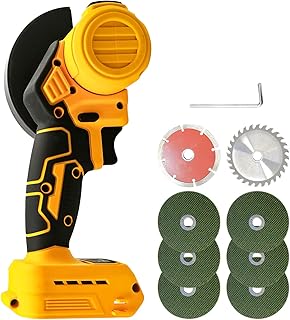
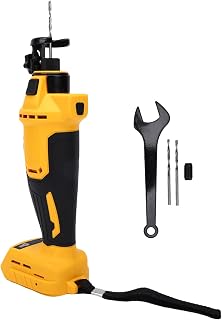


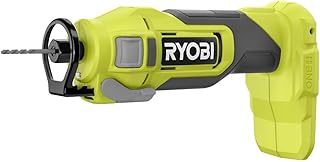


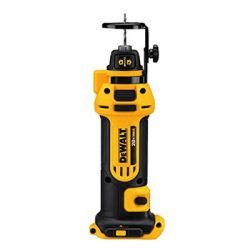
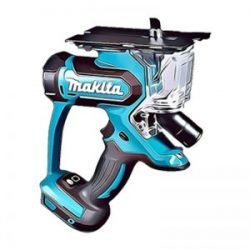
A precision cordless drywall cutter can make a major difference when installing electrical boxes, recessed lights, access openings, vents, plumbing penetrations, and other cut-outs in drywall. Unlike a conventional utility knife, a dedicated cordless cutter or rotary-style drywall tool can make repeatable openings quickly while giving the user better control around marked lines and installed fixtures.
For Canadian buyers, the right choice is not simply the tool with the highest advertised voltage or the largest feature list. Battery compatibility, cutter design, depth control, visibility, ergonomics, dust management, replacement accessories, and the type of drywall work you perform all affect whether a particular tool is genuinely useful.
This guide focuses on the factors that matter when comparing precision cordless drywall cutters in the Canadian market in 2026. Product specifications, included accessories, battery configurations, retailer availability, and pricing can change, so check the current product listing carefully before purchasing.
A cordless drywall cutter is a battery-powered cutting tool designed to create openings or perform controlled cuts in drywall and related wallboard materials. Many models use a small rotating cutting bit, while some systems are designed around a compact cutter mechanism or oscillating cutting accessory.
The term “precision” is particularly relevant for cut-out work. Drywall cutting often involves following pencil marks, templates, electrical-box outlines, corners, or other predetermined shapes. A tool that provides a clear line of sight and predictable handling can reduce the likelihood of cutting beyond the intended opening.
These tools are especially useful for contractors, drywall installers, electricians, remodelers, HVAC installers, low-voltage technicians, and serious DIY users who regularly need clean openings in gypsum board.
A manual drywall saw remains useful for occasional work and situations where maximum simplicity is more important than speed. A cordless cutter becomes more attractive when the user needs numerous openings or wants a compact powered solution.
For a homeowner completing one small drywall repair, a powered cutter may not be necessary. For someone installing dozens of boxes or fixtures, however, cordless operation can save substantial effort and make repetitive work more convenient.
One of the most important buying decisions is whether to purchase a dedicated drywall cutter or use a cordless rotary tool with a suitable cutting accessory. Both approaches can work, but they serve somewhat different users.
A dedicated drywall cutter is designed around the requirements of wallboard cut-outs. Features such as compact geometry, a cutting guide, depth-related controls, visibility around the bit, and drywall-specific accessories can make these tools convenient for repetitive work.
The main advantage is specialization. If most of your powered cutting work involves drywall, a purpose-built tool can be easier to configure and operate than a general-purpose rotary platform.
A cordless rotary tool can be more versatile. Depending on the model and compatible accessories, it may be useful for cutting, grinding, sanding, polishing, trimming, and other small jobs in addition to drywall.
The trade-off is that versatility does not automatically mean it is the best drywall cutter. Buyers should confirm whether the tool accepts an appropriate cutting accessory, whether the accessory is suitable for gypsum board, and whether the design provides enough control for the openings they intend to make.
Battery voltage is one of the most visible specifications, but it should not be treated as a direct measurement of cutting quality. A well-designed compact tool can be more practical than a heavier model with a larger nominal voltage.
For Canadian buyers already invested in a battery ecosystem, platform compatibility can be particularly valuable. Milwaukee M18, DeWalt 20V MAX, Makita 18V, Bosch 18V, and Metabo HPT multi-volt systems are examples of established cordless ecosystems, although compatibility is brand- and model-specific.
Always verify the exact battery requirements. Some listings are tool-only products, while others include one or more batteries, a charger, accessories, or a carrying case.
A tool-only package can be the better value when you already own compatible batteries and a charger. A complete kit may be more practical for someone entering a battery platform for the first time.
Motor performance affects how confidently a tool can maintain cutting speed through drywall. However, maximum motor speed alone does not determine usability.
Look at the combination of motor characteristics, speed control, tool balance, cutting accessory design, and the intended material. A high-speed tool may be excellent for fast cutting but less comfortable if the controls are difficult to manage during detailed work.
Variable speed can be useful when moving between different cutting situations. Lower speeds can provide more controlled handling for delicate work, while higher speeds can help with efficient repetitive cuts.
When comparing models, examine how the speed is controlled. A conveniently positioned electronic control can be more useful in practice than a specification that simply advertises a broad speed range.
Depth control is an important consideration when cutting drywall near wiring, pipes, or other concealed components. The ability to control how deeply the cutting accessory enters the material can improve precision and reduce unnecessary penetration.
However, depth control should never be treated as a substitute for checking what is behind the wall. Before cutting, identify the location of electrical wiring, plumbing, framing, ducts, and other concealed systems whenever possible.
A clear view of the cutting bit and marked line can make precision work considerably easier. Compact housings, strategically positioned controls, lighting, and an unobstructed cutting area can all contribute to better visibility.
This feature deserves more attention than many buyers give it. When cutting around an electrical box or fixture, seeing the reference line clearly can be more useful than having additional power that you may never need.
Drywall work frequently involves overhead cutting, awkward positions, ladders, and repetitive movements. A tool that feels comfortable for the first few minutes may become tiring during a full installation day.
Compare the handle shape, grip surface, balance, trigger position, battery location, and overall length. If possible, consider how the tool would feel while held at shoulder or overhead height rather than only at waist level.
Tool weight includes more than the bare tool. Battery size can significantly change the overall feel of a cordless cutter. A compact tool paired with a high-capacity battery may be noticeably less nimble than the same tool with a smaller pack.
For precision drywall work, balance can matter as much as absolute weight. A tool that sits naturally in the hand can make it easier to follow a marked curve or corner.
Replacement accessories should be part of your buying decision. Check the supported bit sizes, attachment method, availability of replacement cutters, and whether the manufacturer specifies the accessory for drywall applications.
Do not assume that a generic rotary cutting bit is automatically appropriate simply because it fits physically. The accessory should be compatible with the tool and suitable for the intended material and operating conditions.
An integrated LED can be useful when working inside partially finished rooms, dim areas, ceilings, or locations where shadows make the cutting line difficult to see.
It is a convenience feature rather than a replacement for proper work lighting. If the LED is a priority, check its location and whether the cutting area remains illuminated when the tool is positioned against the wall.
Drywall produces fine gypsum dust during cutting. Some tools may offer features intended to reduce dust around the cutting area or provide compatibility with extraction equipment.
Do not assume that a dust-management feature makes drywall cutting dust-free. Use appropriate respiratory protection and jobsite controls for the work environment, and follow the manufacturer's instructions for dust collection and cleaning.
Battery runtime depends on the battery capacity, cutting conditions, material, accessory, technique, and amount of continuous cutting. A larger battery can increase runtime but may also add weight.
For professional users, owning multiple compatible battery packs may be more useful than relying on one very large battery. This allows one pack to charge while another is in use, provided the charging equipment and battery platform support that workflow.
Precision is a combination of tool control and technique. Even a premium cordless cutter cannot compensate for inaccurate measurements or poorly marked cut lines.
Measure the opening carefully and mark the intended cut line before powering the tool. For repeated openings, a reliable template can help maintain consistency.
When fitting around an existing component, account for the actual dimensions of the component rather than assuming that a nominal size represents the exact opening required. Follow the installation instructions supplied with the component being installed.
Starting position matters with rotary-style drywall cutters. The user should understand how the particular tool and accessory are designed to enter the drywall and should follow the manufacturer's operating instructions.
A controlled approach is generally preferable to forcing the cutter rapidly through the panel. Excessive pressure can make the tool harder to control and may produce an unnecessarily rough opening.
Small openings often contain corners that require deliberate movement. Slow, controlled handling can help prevent the cutter from wandering outside the marked boundary.
For rounded openings, consistent movement around the marked curve is important. The objective is not simply cutting quickly but maintaining the intended path.
Powered drywall cutting deserves careful attention because drywall can conceal electrical cables, plumbing, structural components, communications wiring, and other systems.
If you already own cordless tools, choosing a drywall cutter from the same battery ecosystem can reduce the number of batteries and chargers you need to maintain.
For example, a contractor already using Milwaukee tools may prefer an M18-compatible drywall cutter, while a DeWalt user may value compatibility with the 20V MAX platform. Makita, Bosch, and Metabo HPT also offer cordless ecosystems covering multiple categories.
Battery platform decisions should be based on the exact tool model and battery family. Voltage labels alone do not establish compatibility.
A new battery ecosystem can make sense if the tool you want has features or ergonomics that are substantially better suited to your work. It can also be reasonable when you expect to purchase several additional cordless tools from the same manufacturer.
However, the cost of batteries, chargers, and future tools should be considered as part of the total ownership decision rather than treating the bare tool price as the complete cost.
A professional who makes hundreds of cut-outs should generally prioritize workflow efficiency and durability. A homeowner completing occasional renovations may place greater value on versatility and total purchase cost.
A higher voltage label does not automatically mean a better drywall cutter. Compare the complete tool design, battery weight, ergonomics, cutting system, controls, and accessory compatibility.
A low bare-tool price may not represent the lowest total cost if you need to purchase batteries and a charger separately.
A cordless cutter is only as useful as its available cutting accessories. Check replacement availability and the types of bits or cutters supported before buying.
For precision cut-outs, excessive power can be less important than control. If the tool is difficult to maneuver, additional motor capability may not improve the final result.
A compact, well-balanced tool can be easier to control around electrical boxes and other tight openings than a larger model that is technically more powerful.
Battery capacity affects both runtime and handling. Consider whether you prioritize long runtime or a lighter tool for detailed overhead work.
Two tools may appear similar while differing substantially in grip design, controls, depth management, bit compatibility, visibility, battery placement, and accessory systems.
When reviewing a shortlist of ten products, use the same criteria for every model. This prevents a feature-heavy product from appearing better simply because its specifications are presented more prominently.
Product specifications can be difficult to compare because manufacturers may emphasize different characteristics. A useful comparison begins by separating specifications that affect compatibility from those that affect cutting performance and handling.
Look for the manufacturer's exact battery family rather than relying on voltage terminology alone. Also determine whether the advertised package includes the battery.
No-load speed describes the rotational speed without the tool actively cutting material. It should not be interpreted as the actual cutting speed you will experience under load.
Check whether the published weight includes a battery. If it does not, remember that the final operating weight will be higher.
Accessory specifications can determine whether the cutter is suitable for your preferred type of drywall work. Verify dimensions and compatibility using the manufacturer's documentation.
Length and housing dimensions matter when working inside cabinets, near corners, around ceiling openings, or in confined spaces.
Electrical installation is one of the most common applications for compact drywall cutting tools. The primary concern is controlled cutting around boxes while avoiding concealed wiring.
When choosing a tool for electrical work, prioritize visibility, handling, depth management, and predictable movement. A bright work light can be useful in darker rooms, but it should be considered an additional convenience rather than a safety system.
Before cutting, verify the location and condition of electrical wiring and follow applicable electrical safety practices. If the installation involves energized circuits or uncertain wiring, use qualified professional assistance where appropriate.
Recessed-light openings often require relatively precise circular or template-based cuts. The ideal tool should be easy to guide along the intended perimeter without excessive fatigue.
For repeated ceiling work, balance becomes particularly important because the tool may be held overhead for extended periods. A lighter battery can sometimes improve maneuverability, while a larger battery can reduce the frequency of battery changes.
Renovation work can involve a mixture of drywall thicknesses, old and new wallboard, awkward access areas, and unexpected obstacles. Versatility may therefore be more valuable than a tool optimized for one repetitive task.
A cordless rotary tool can be attractive in this situation if you also need to sand, grind, trim, or perform other small-scale operations. A dedicated drywall cutter may be preferable when drywall openings make up the majority of the workload.
Battery planning becomes more important as the number of cut-outs increases. Rather than estimating runtime solely from the manufacturer's general claims, consider your actual workflow.
For high-volume work, multiple compatible packs can provide a practical rotation system. For occasional home projects, one compatible battery may be sufficient if charging time is not a concern.
Drywall dust can accumulate around moving parts, ventilation openings, switches, and battery interfaces. Routine cleaning can help keep the tool in better working condition.
A worn cutting bit can make a tool feel underpowered even when the motor and battery are functioning correctly. Dull or damaged accessories can also make controlled cutting more difficult.
If cutting performance deteriorates, inspect the accessory before assuming that the cordless tool itself has developed a problem.
Clean results depend on preparation as much as the tool itself.
For repeated openings, a consistent marking method or reusable template can improve uniformity. The objective is to make every stage of the process repeatable rather than relying solely on the cutting tool.
Brand selection can be useful when comparing cordless tools because battery ecosystems, accessories, chargers, and related tools often influence the overall ownership experience.
Milwaukee is widely associated with professional cordless power tools and the M18 battery platform. When evaluating a Milwaukee drywall cutter, confirm the exact model, battery requirements, included accessories, and whether the package is tool-only or a kit.
DeWalt offers a broad cordless tool ecosystem built around its 20V MAX platform and other product families. Buyers should check the specific model's battery compatibility and included equipment rather than assuming that every DeWalt battery is interchangeable.
Makita's cordless range includes tools built around its established battery systems. For drywall applications, compare the exact cutter or compatible rotary-tool configuration, paying particular attention to accessory compatibility and ergonomics.
Bosch is another established power-tool manufacturer with cordless and rotary-tool products that may be relevant to precision cutting applications. The exact accessory system and battery configuration should be checked for the individual model.
Metabo HPT offers cordless tools across several categories, including systems intended for users who want battery compatibility across multiple tools. Confirm the exact battery platform and charger requirements before purchasing.
These brands are useful starting points for comparison, but brand reputation alone should not determine the final purchase. The best choice depends on the particular model and how well its specifications match your work.
Customer feedback can be useful for identifying recurring usability issues, but reviews should be interpreted alongside technical specifications. A product may receive positive feedback from users whose requirements differ substantially from yours.
When reading reviews, look for repeated comments about battery compatibility, grip comfort, cutting control, accessory availability, dust buildup, durability, and ease of use. Give less weight to isolated comments that do not explain the user's application or operating conditions.
It is also useful to distinguish feedback about the bare tool from feedback about a complete kit. Package contents can differ between listings, even when the underlying tool model is similar.
Retail pricing for cordless power tools can change frequently, particularly around promotions and kit-specific offers. The lowest listed price is not necessarily the best value.
Compare products using an equivalent package whenever possible. A tool-only product should not be directly compared with a complete kit without accounting for the cost of the required battery and charger.
There is no universal best model for every Canadian buyer. The right choice depends on the type of work, existing battery platform, cutting volume, budget, and preferred handling characteristics.
For a professional contractor, battery ecosystem compatibility and repetitive-use ergonomics may be the deciding factors. For a homeowner, a versatile cordless rotary tool may provide more value if drywall cutting is only one of several occasional tasks. For someone performing frequent electrical or drywall installations, a dedicated cutter can make more sense because the tool is optimized around the specific workflow.
The best cordless drywall cutter depends on the buyer's application, battery platform, workload, and preferred features. Rather than choosing solely by brand or advertised power, compare cutting control, ergonomics, accessory compatibility, battery requirements, visibility, and total package contents.
They can be worthwhile for users who regularly make drywall openings. The convenience becomes more significant when many openings are required or when the user already owns compatible batteries. For one small repair, a manual drywall saw may be more economical.
A suitable cordless rotary tool can be used for certain drywall cutting applications when equipped with a compatible accessory intended for the material. Always follow the tool and accessory manufacturer's instructions and verify compatibility before use.
Not necessarily. Voltage is only one specification. Tool balance, motor design, speed control, accessory compatibility, battery weight, and handling can have a greater practical effect on precision and comfort.
A brushless motor can offer advantages in cordless tool design, but the presence of a brushless motor alone does not guarantee that a particular drywall cutter is the best option. Compare the complete tool and its intended workload.
There is no single ideal battery capacity. Smaller packs can reduce operating weight and improve maneuverability, while larger packs can provide more runtime. The best choice depends on whether your work emphasizes precision, overhead comfort, or extended cutting sessions.
Drywall cutters are commonly used for openings around electrical boxes, but concealed wiring creates an important safety consideration. Confirm what is behind the drywall before cutting and follow appropriate electrical safety procedures.
A drywall cutter should not automatically be treated as a general-purpose wood-cutting tool. Check the manufacturer's specified applications and the cutting accessory requirements before attempting to cut any material other than the intended wallboard.
Drywall cutting can generate fine gypsum dust. The amount depends on the cutting method, tool, accessory, material, and work technique. Dust-control features may help, but they do not eliminate the need for appropriate personal protection and jobsite ventilation.
Choose tool-only if you already have the correct compatible battery and charger. A kit can be more convenient if you are entering the platform and need the supporting equipment.
Both brands have established cordless power-tool ecosystems, making them worth considering when their relevant models match your requirements. The correct choice should be based on the exact cutter, battery platform, ergonomics, accessories, and current package rather than brand name alone.
Replacement frequency depends on usage, material, cutting technique, and accessory condition. Inspect the bit regularly and replace it when it becomes worn, damaged, or no longer provides controlled cutting performance.
For electrical boxes, recessed fixtures, and other accurately sized openings, precision is usually more important than maximum cutting speed. The ideal tool provides enough performance to work efficiently without making controlled movement difficult.
The strongest purchase decision starts with the work rather than the product label. Determine how many openings you expect to make, what type of drywall work you perform, whether you already own a cordless battery platform, and how much overhead or repetitive work the tool will handle.
Then compare the shortlisted models using practical criteria: battery compatibility, total kit contents, weight, balance, visibility, speed control, depth management, cutting accessories, dust considerations, and replacement-part availability. These factors provide a much more meaningful comparison than relying on a single headline specification.
For Canadian shoppers, also review the current product listing carefully because package contents, retailer pricing, availability, and included accessories can change during 2026. Before ordering, confirm the exact model number and battery configuration and compare the complete package rather than only the advertised bare-tool price.
Most importantly, treat precision cutting as a combination of the right tool and the right preparation. Accurate measurements, clear markings, suitable accessories, controlled technique, and careful inspection of concealed services are essential to achieving clean drywall openings safely and consistently.