

♥ Wishlist
Compare 21 Cordless Angle Grinders for Cutting, Grinding & Finishing products in Canada. Reviews, ratings, pros, cons and buying advice updated for October 2026.
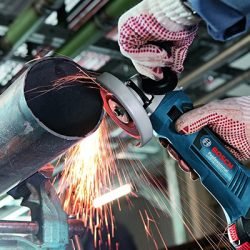
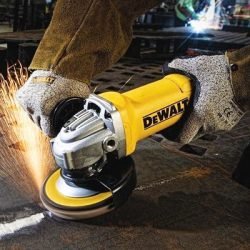
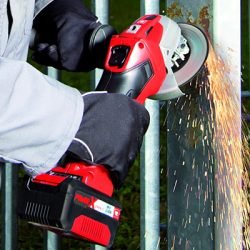
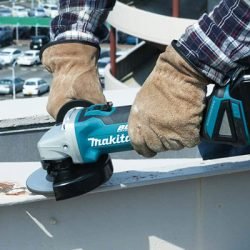
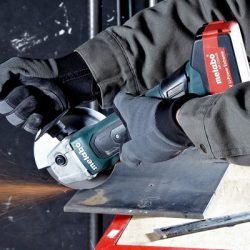
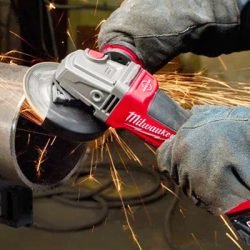
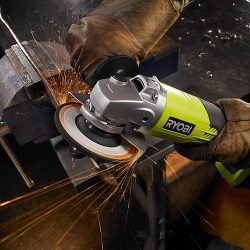


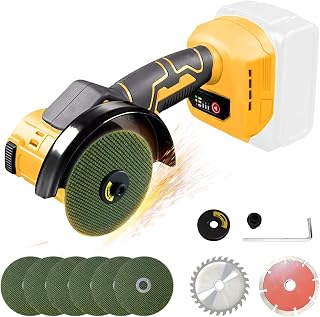


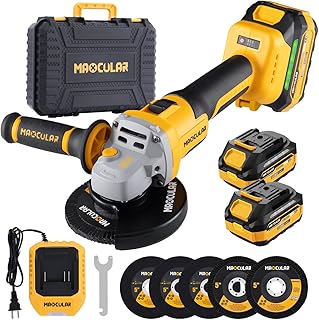


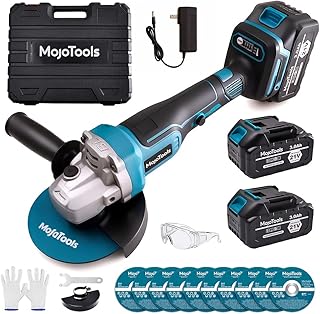


A precision cordless angle grinder is most useful when control, portability and consistent material removal matter as much as raw power. Unlike a conventional corded grinder, a battery-powered model lets you work without managing an extension cord, which can be particularly convenient for garages, workshops, renovation projects, outdoor jobs and locations where mains power is inconvenient.
For Canadian buyers, the right grinder should be evaluated as a complete system rather than by motor power alone. Battery platform, disc compatibility, speed control, ergonomics, protection features, charging requirements, cold-weather considerations and the availability of compatible batteries can all affect the real-world value of a tool.
The term “precision” also deserves attention. It does not necessarily mean that a grinder is designed for laboratory-level machining. In consumer and professional power-tool categories, precision generally refers to better control over speed, positioning, grinding pressure and material removal. If accurate finishing is your priority, a model with variable speed, a comfortable grip and predictable power delivery can be more useful than a larger grinder designed primarily for heavy stock removal.
Precision grinding requires the operator to make small, controlled adjustments without the tool becoming difficult to handle. A grinder can have substantial power and still be poorly suited to detailed work if its trigger response is abrupt, its body is cumbersome or its vibration becomes tiring.
When purchasing a cordless grinder, the battery is effectively part of the tool. A bare-tool price can appear attractive, but the overall cost may be substantially different if the required battery and charger are not already owned.
Popular cordless power-tool ecosystems from brands such as DeWalt, Milwaukee, Makita, Bosch, Metabo HPT and Ryobi offer different combinations of batteries, chargers and compatible tools. Staying within an existing battery platform can make sense when you already own several compatible tools.
Before choosing a grinder, determine whether the listing includes the battery and charger or whether it is a bare tool. Also check the exact battery family rather than assuming that batteries from the same manufacturer are interchangeable across every product line.
Battery capacity is commonly expressed in ampere-hours (Ah). A higher Ah rating generally provides more stored energy, but it can also increase battery weight and physical size.
Runtime cannot be predicted from Ah alone. Grinding pressure, wheel type, material hardness, motor efficiency, operating speed and battery condition all influence how quickly a battery is depleted.
Brushless grinders have become common in premium cordless power-tool ranges. Their motors use electronic commutation rather than conventional replaceable brushes. This can reduce mechanical wear associated with brushes and can allow manufacturers to optimize motor performance electronically.
A brushed grinder can still be appropriate for occasional users who prioritize a lower initial cost. However, buyers comparing tools for frequent use should examine the entire motor and electronic-control package instead of choosing solely on the basis of the word “brushless.”
For demanding applications, a brushless model with intelligent overload management, effective cooling and a compatible high-output battery may provide a more suitable combination of power and efficiency.
Disc diameter has a direct effect on the type of work a grinder can perform. Compact grinders are generally easier to control, while larger models can be designed for more substantial material removal.
Do not assume that a larger disc automatically produces better results. For precision-oriented tasks, excessive tool size can make positioning more difficult and increase fatigue.
A single-speed grinder can be perfectly adequate for straightforward grinding and cutting. However, variable-speed operation becomes more valuable when one tool is expected to handle multiple accessories and materials.
Lower speeds can be useful for certain finishing, polishing or surface-preparation accessories where maximum speed is inappropriate. Higher speeds may be appropriate for accessories specifically rated for that operating range and for applications where rapid material removal is required.
Always match the grinder's speed to the accessory's permitted operating speed. The maximum rated speed of the wheel or accessory should not be exceeded.
Cordless grinders are often described using battery voltage, motor technology, speed and other specifications rather than a simple wattage figure comparable with corded tools. Battery voltage by itself should not be treated as a direct measurement of cutting or grinding performance.
A grinder's practical performance depends on the motor, electronics, battery's ability to supply current, thermal management and mechanical design. Two tools with similar nominal voltage can therefore behave differently under load.
When comparing models, pay attention to the complete specification sheet rather than selecting the highest voltage or highest no-load RPM automatically.
No-load speed is the rotational speed of the spindle when the grinder is operating without significant resistance. It can help with comparison, but it does not tell you how much torque the tool can maintain during actual grinding.
A very high RPM may be advantageous for some compatible accessories, but it is not automatically better for precision work. The accessory, material and task determine the appropriate operating speed.
For variable-speed models, a broader useful speed range can be more meaningful than simply having the highest advertised maximum RPM.
Before buying a cordless angle grinder, verify the spindle configuration and accessory requirements. Wheels, discs and other attachments must be compatible with the grinder's mounting system and rated for its operating speed.
Check:
Never assume that an accessory will fit simply because it is marketed for an angle grinder. The dimensions, mounting system and speed rating all matter.
The grinder is only one component of the working system. The accessory determines much of the tool's interaction with the material.
Grinding wheels are intended for material removal and surface work. The appropriate wheel depends on the material and the task. A wheel intended for ferrous metal should not automatically be used on every material.
Cut-off wheels are designed for cutting rather than side grinding. Using a thin cutting disc incorrectly can increase the risk of disc damage or breakage. Follow the accessory manufacturer's instructions for the permitted application and orientation.
Flap discs combine abrasive material with a layered construction and are commonly used for blending welds, smoothing metal and preparing surfaces. They can provide a different feel from conventional grinding wheels and may be useful when controlled surface finishing is important.
Wire accessories can be useful for removing rust, paint, scale and other surface contamination. Wire fragments can become hazardous projectiles, making eye and face protection especially important.
Some grinders can accept polishing or finishing accessories when the tool and accessory are specifically compatible. Lower operating speeds may be required for certain materials and attachments, so variable-speed control can be particularly useful.
Angle grinders are high-speed cutting and grinding tools. Safety features should therefore be considered essential buying criteria rather than optional extras.
Kickback can occur when an accessory catches, binds or becomes obstructed. The resulting force can cause the grinder to move unexpectedly toward or away from the workpiece.
No electronic feature eliminates the underlying mechanical risk. Proper accessory selection, correct guard positioning, stable footing, appropriate hand placement and controlled cutting technique remain essential.
For buyers who frequently cut or grind demanding materials, electronic safety systems can be a valuable additional layer of protection, particularly when combined with good operating practices.
A grinder that looks excellent on a specification sheet can still be uncomfortable if its weight distribution does not suit the operator. Precision work often involves holding the tool at a specific angle for extended periods, so balance can be more important than a small difference in maximum power.
Consider the complete working weight, including the battery. A cordless grinder that is lightweight as a bare tool may become substantially heavier with a high-capacity battery.
For detailed work, compact dimensions can be a significant advantage. A smaller grinder may allow better access around brackets, fasteners, welded joints and narrow surfaces.
For heavy grinding, however, a larger high-output cordless model may be more appropriate. The best choice depends on the workload rather than a universal ranking of compact versus powerful tools.
If most of your projects involve occasional edge cleanup, rust removal, small cuts and surface preparation, an excessively large grinder may add unnecessary weight. If you routinely remove substantial amounts of material, prioritize sustained performance and thermal management.
Canadian buyers should consider more than the advertised tool price. The final cost of a cordless grinder may include a battery, charger, additional discs, replacement accessories and potentially a second battery for continuous work.
Availability can also vary by region and retailer. Before purchasing, check the current Canadian listing, included equipment, manufacturer's model number and compatible battery platform rather than relying on an old product description.
For tools intended for use in unheated garages or outdoor work areas, remember that battery performance can be affected by temperature. Lithium-ion batteries generally perform differently in very cold conditions than they do at moderate indoor temperatures. Follow the battery manufacturer's storage, charging and operating guidance.
For cordless tools, the grinder itself is battery powered, but the charger still connects to household electrical power. Canadian buyers should use the charger supplied or specified for the battery system and follow its electrical and charging instructions.
Look for clear manufacturer identification, model information and appropriate safety documentation. Avoid suspicious listings with incomplete specifications, unclear model numbers or accessories whose compatibility cannot be established.
Counterfeit batteries and chargers deserve particular caution. A low price is not worthwhile if the battery system lacks reliable identification, protection circuitry or appropriate manufacturer support.
A useful comparison should score each grinder against the same criteria instead of focusing on whichever specification looks most impressive.
Occasional users should prioritize simplicity, manageable weight, straightforward controls and a sensible battery package. Paying substantially more for advanced electronics may not provide meaningful value if the grinder will only be used a few times each year.
Workshop users often benefit from a versatile grinder capable of handling grinding wheels, flap discs, wire brushes and compatible finishing accessories. Variable speed and a comfortable auxiliary handle can make one grinder useful for a wider range of projects.
Frequent users should place greater emphasis on sustained performance, thermal management, battery availability, charging speed, ergonomics and durability. A strong battery ecosystem can be particularly valuable when multiple cordless tools are already in use.
For controlled finishing, variable-speed operation, predictable power delivery, low vibration and good accessory compatibility can matter more than maximum cutting capacity. Flap discs and suitable finishing accessories may be more appropriate than aggressive grinding wheels for certain applications.
Users who routinely remove substantial material should look for a high-output cordless platform, suitable battery capacity and effective thermal management. A compact precision grinder may not be the most efficient choice for prolonged heavy grinding.
Voltage is useful for identifying a battery platform, but it does not provide a complete picture of grinder performance. Motor efficiency, electronics and battery output capability also matter.
A bare tool may appear inexpensive until the cost of a compatible battery and charger is added. Always compare complete system cost when you do not already own the required battery platform.
Maximum RPM is not synonymous with precision. The correct speed depends on the accessory and material, and exceeding an accessory's rated speed can create a serious safety hazard.
Grinding, cutting, wire brushing and finishing require different accessories. Using an inappropriate disc can reduce performance and increase risk.
Always consider the complete working configuration. A grinder that is comfortable as a bare tool may become tiring with a large battery attached.
A removable or adjustable guard should not be treated as an inconvenience. Its position and compatibility with the accessory are important parts of safe operation.
If you already own cordless tools, compare the advantages of expanding your current ecosystem with the cost of starting another one. A slightly different grinder may deliver better overall value if it uses batteries you already have.
Customer reviews can be useful, but they should be interpreted alongside technical specifications. Look for patterns rather than relying on a single unusually positive or negative comment.
Also distinguish between dissatisfaction with a product and dissatisfaction caused by an incorrect accessory, unsuitable battery, improper application or unrealistic expectations.
Online listings can change over time, so verify the product details immediately before purchase.
Recognized brands can provide useful starting points for comparison, but brand reputation alone should not determine the purchase. DeWalt and Milwaukee have extensive cordless tool ecosystems, while Makita is also widely represented in professional cordless equipment. Bosch offers multiple power-tool ranges, and Metabo HPT and Ryobi target different segments and use cases.
The important question is not simply which brand is “best.” Compare the specific grinder, battery family, motor technology, included accessories, control features, ergonomics and intended workload.
For someone already invested in a particular battery ecosystem, platform compatibility can reasonably outweigh small differences in individual grinder specifications.
Cordless grinders provide freedom of movement and eliminate the need to manage a power cable during the job. They are particularly convenient when working away from outlets or when portability is a priority.
Corded grinders can remain attractive for users who perform long-duration work near a reliable power source. They do not require battery changes, and there is no need to maintain multiple battery packs for continuous operation.
For a precision-focused buyer, the decision should therefore consider where the grinder will be used, how long each session typically lasts and whether other cordless tools already use the same battery platform.
There is no universally correct battery size. The ideal capacity depends on the balance between runtime and handling comfort.
Regular maintenance can help preserve tool performance and identify problems before the grinder is used under load.
Battery care is particularly important because cordless tools depend on the battery system for their performance. Avoid storing lithium-ion batteries in locations exposed to excessive heat, moisture or extreme cold unless the manufacturer specifically permits those conditions.
Use the charger designed for the battery system and pay attention to any temperature warnings or charging limitations. If a battery shows swelling, physical damage, unusual heat or other abnormal behavior, stop using it and follow the manufacturer's safety instructions.
The grinder should generally be allowed to do the work rather than being forced aggressively into the material. Excessive pressure can increase heat, reduce control and accelerate accessory wear.
For detailed work, stable positioning is especially important. Use the auxiliary handle where appropriate, maintain a controlled stance and avoid awkward body positions that make it difficult to react to unexpected movement.
Material removal should be approached progressively when the application permits. Removing a little material at a time can make it easier to maintain the desired shape and finish than attempting to remove a large amount in one pass.
Ferrous metals are common applications for angle grinders. Choose an abrasive specifically suited to the material and intended task, and use the correct disc for grinding or cutting.
Stainless steel can require careful accessory selection and controlled heat management. Contamination from inappropriate abrasives can also be an issue for applications where surface cleanliness matters.
Aluminum behaves differently from steel and can load certain abrasive products. Use accessories specifically intended for the material and follow the accessory manufacturer's instructions.
Specialized diamond or masonry accessories may be required. Dust generation can be substantial, making appropriate respiratory protection and dust-control practices important.
Buying a highly capable grinder does not mean it should be used for every task. A dedicated sander, die grinder, bench grinder, cut-off tool, reciprocating saw or other purpose-built tool may provide better control for a particular application.
If the work requires extremely precise dimensional control, an angle grinder may not be the appropriate primary tool. It is primarily a freehand material-removal tool, so users should choose equipment according to the accuracy and finish required.
The most expensive cordless angle grinder is not necessarily the best choice for every Canadian buyer. Value comes from matching capabilities to the workload.
If you already have a compatible battery system, a bare tool can sometimes provide a more economical route. If you are starting from scratch, compare complete kits and consider whether the included battery capacity is sufficient for the intended work.
Likewise, do not pay extra for advanced features that you will never use. Variable speed can be valuable for finishing and accessory flexibility, while a high-output battery and sophisticated electronic protection may be more important for demanding professional applications.
The best precision cordless angle grinder for a Canadian buyer is the model that provides the right combination of control, accessory compatibility, battery performance, ergonomics and safety for the work actually being performed.
For precision-oriented applications, prioritize manageable weight, balanced handling, useful speed control and predictable operation. For heavy-duty work, place greater emphasis on sustained power, thermal management, battery capacity and durability. If you already own cordless tools, battery-platform compatibility can significantly influence the overall value of the purchase.
Before making a final decision, compare the exact specifications, included accessories, battery configuration and current Canadian listing details. Read verified customer feedback alongside the manufacturer's specifications, and treat unusually low prices or incomplete product information with caution.
There is no single best model for every Canadian buyer. The right choice depends on the required disc size, battery platform, workload, desired control, budget and accessories. A compact variable-speed grinder may be preferable for detailed finishing, while a high-output professional model may be better for demanding material removal.
Many modern cordless grinders are designed for demanding applications, but suitability depends on the specific model, battery and workload. For extended heavy grinding, compare sustained performance and battery availability rather than relying only on advertised maximum power.
A brushless grinder can be a strong choice for frequent users because brushless motor systems can offer efficient operation and eliminate conventional motor brushes. Whether the additional cost is worthwhile depends on usage frequency and the rest of the tool's specification.
Not necessarily. A single-speed grinder can work well for straightforward cutting and grinding. Variable speed becomes more useful when you plan to use multiple accessories or perform finishing and surface-preparation tasks that benefit from more controlled rotational speed.
Choose based on the balance between runtime and weight. Smaller batteries can make the grinder easier to maneuver, while larger batteries can provide longer operating time. For frequent work, owning multiple compatible batteries may be more practical than using one very large pack.
No. The disc must match the grinder's supported diameter, mounting configuration, application and maximum operating speed. Always follow both the grinder and accessory manufacturer's instructions.
Some grinders can be used with compatible polishing or finishing accessories, particularly models with appropriate speed control. Check the accessory specifications and the grinder manufacturer's instructions before using the tool for polishing.
Angle grinders can be used safely when operated correctly, but they remain high-speed tools capable of causing serious injury. Use the appropriate guard, compatible accessories, eye and face protection, hearing protection and other protective equipment appropriate to the application. Follow the manufacturer's operating instructions.
A bare tool can make sense if you already own compatible batteries and a charger. A kit may be more convenient for someone entering a new battery platform. Compare the complete cost rather than the grinder-only price.
Well-known power-tool manufacturers with cordless grinder offerings include DeWalt, Milwaukee, Makita, Bosch, Metabo HPT and Ryobi, among others. The best choice should be based on the specific grinder and battery ecosystem rather than brand name alone.
Inspect the grinder, guard, handle, battery and accessories before each use. Clean dust and debris from appropriate areas after use and follow the manufacturer's maintenance schedule for any additional service requirements.
Verify the exact model number, disc size, spindle specification, maximum RPM, battery platform, included battery and charger, guard, handle and other accessories. Check the current Canadian listing and make sure customer feedback relates to the exact model you are considering.
A precision cordless angle grinder should be selected as a complete working system, not simply as a motor with a high RPM number. Battery compatibility, ergonomics, variable-speed control, accessory support, safety features and workload suitability all contribute to the buying decision.
For Canadian shoppers comparing the top options in 2026, the strongest approach is to define the jobs you expect to perform first, narrow the choices by battery platform and disc size, then compare control features, weight, runtime, accessories and current specifications. That process makes it easier to identify a grinder that offers useful capability without paying for features that do not match your actual work.