

♥ Wishlist
Compare 58 Torches & Lighting in Canada products in Canada. Reviews, ratings, pros, cons and buying advice updated for October 2026.
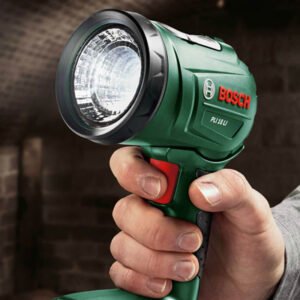
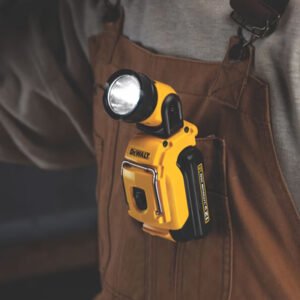
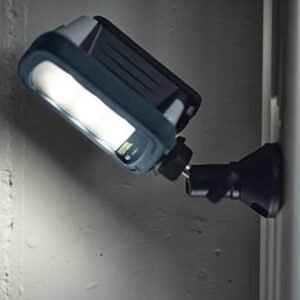
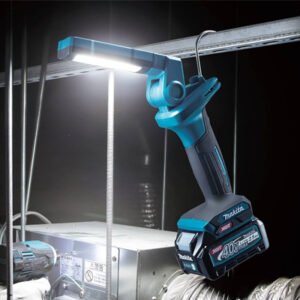
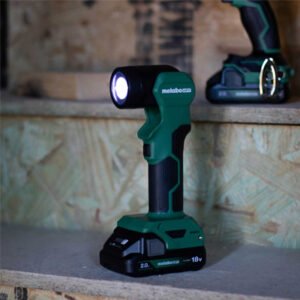
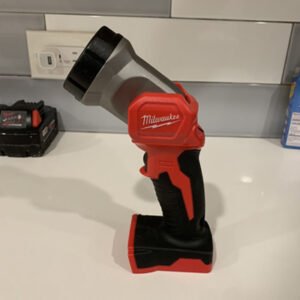
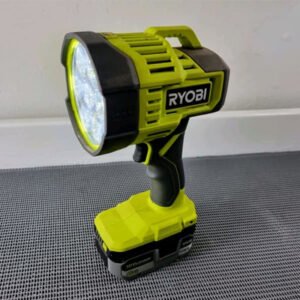

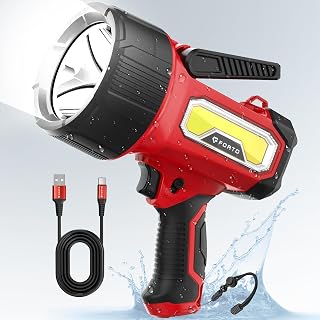


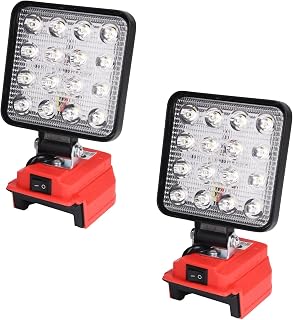


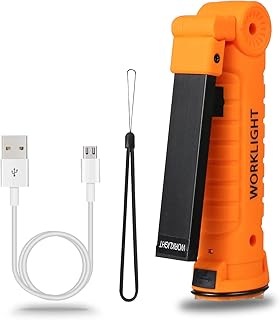


Choosing a precision torch is less about finding the brightest light and more about matching the light to the task. A compact inspection torch, an everyday-carry flashlight, a rechargeable work light and a high-output tactical-style torch can have very different beam patterns, controls, power systems and handling characteristics. The right choice depends on where and how you expect to use it.
For Canadian buyers, it is also worth considering cold-weather performance, battery availability, charging options, water resistance, portability and the practicality of carrying the torch during outdoor activities or everyday work. Product specifications should always be checked against the manufacturer's current information before purchase because models, included accessories and configurations can change.
A useful buying decision starts with the job the torch needs to perform. A narrow beam can be valuable for illuminating a distant object, while a broader beam can make close-up inspection and general-purpose work easier. Similarly, maximum brightness is only one part of performance; runtime, heat management, beam consistency and controls can matter just as much.
One of the most common buying mistakes is treating the highest advertised lumen figure as the best indication of torch quality. Lumens describe the amount of visible light produced, but they do not by themselves explain how that light is distributed.
A precision torch with a focused beam may direct light toward a smaller area, potentially making it more useful for identifying something at a distance. A flood-oriented design distributes light more broadly and can be preferable when illuminating a workbench, pathway, campsite or nearby object. Some models attempt to provide a balance between concentrated throw and useful peripheral illumination.
Lumens are a measure of luminous output. Higher output can produce a brighter scene, but practical usefulness depends on beam design, reflector or optic configuration, distance, environmental conditions and how long the torch can sustain a particular output.
When comparing products, do not compare lumen numbers in isolation. Look at the manufacturer's stated output levels, runtime information and beam characteristics together.
Beam distance is relevant when you need to illuminate objects farther away. However, the stated distance is not equivalent to the amount of useful detail you will see. A torch designed for searching across an open outdoor area may have very different optical characteristics from one designed for close-up mechanical inspection.
Beam shape is one of the most important practical characteristics of a precision torch. Look for information about hotspot size, spill, flood coverage and beam uniformity where the manufacturer provides it.
Modern precision torches generally rely on LED technology because LEDs can provide substantial illumination in a compact package. However, different LED configurations and optical systems can produce noticeably different results.
For inspection tasks, colour quality can sometimes be more useful than maximum brightness. When identifying wires, finishes, components, markings or surface imperfections, the appearance of illuminated objects matters. If colour rendering is important for your application, check whether the manufacturer provides relevant colour-rendering information rather than assuming that every high-output LED produces the same visual result.
Light can appear warmer, neutral or cooler depending on its colour temperature. Cooler light may appear crisp and bright, while neutral or warmer light can provide a different visual appearance and may be preferable for certain inspection environments.
There is no universally correct colour temperature. The best choice depends on the environment and the user's priorities.
The power system deserves as much attention as the LED and optical design. A torch that produces excellent illumination but is inconvenient to recharge may be a poor fit for frequent use.
Replaceable-battery models can be attractive for emergency kits, longer trips and situations where access to a charger is uncertain. They also allow users to carry spare compatible batteries, subject to the manufacturer's specifications and appropriate battery-handling practices.
Integrated rechargeable systems can be convenient for everyday use because there is no need to keep purchasing disposable batteries. USB-based charging can also simplify charging when compatible power sources are already available.
Check the charging connector, charging method, indicator system and whether the torch can be used while charging if that feature is important to you. Do not assume that two products with similar-looking charging ports offer identical charging behaviour.
Runtime figures should be interpreted carefully. A manufacturer's runtime specification may vary by output level and test methodology. A torch capable of very high maximum output may operate for a considerably shorter period at that setting than at a lower setting.
For practical buying decisions, consider how long you normally need illumination rather than simply selecting the model with the largest advertised output.
Canada's climate makes temperature a particularly relevant consideration for outdoor torch users. Battery behaviour can change in cold conditions, and users spending extended periods outdoors should pay attention to the manufacturer's operating-temperature guidance.
For winter activities, keep spare batteries and electronic equipment protected from unnecessary exposure to extreme temperatures where appropriate. A compact torch that is easy to carry inside a jacket pocket can also be more practical than a larger model that remains exposed to cold for long periods.
Outdoor and work environments can expose a torch to rain, snow, dust, drops and repeated handling. Construction quality therefore matters, but buyers should distinguish between marketing language such as “rugged” and an actual published protection rating.
Where available, check the product's IP rating and understand what that rating actually covers. Water resistance does not automatically mean that a product is designed for every type of immersion or prolonged exposure. Follow the manufacturer's stated limitations.
A durable body can help a torch survive accidental drops, but impact-resistance claims should be interpreted according to the manufacturer's published test information. A metal housing may feel robust, while a polymer housing can provide advantages in weight and handling. Material choice alone does not determine overall durability.
Aluminium-bodied torches are common because the material can offer a useful combination of rigidity, weight and heat conduction. Heat management matters because high-power LEDs and their electronic drivers can generate significant heat.
Polymer-bodied designs can reduce weight and may provide comfortable handling. Hybrid construction can combine different materials for the body, grip, switch or internal components.
A torch can have impressive specifications and still be inconvenient if its controls are confusing. Think about whether you need a simple on/off switch, multiple brightness levels, a momentary-on function, a strobe mode or other operating options.
Multiple modes can be useful when they provide meaningful control over brightness and runtime. They can also become frustrating if accessing the desired mode requires a complicated sequence of button presses.
A tail switch can be convenient for certain grip styles and may make momentary activation straightforward. A side switch can provide easy access when holding the torch in a conventional manner. Neither design is universally superior.
If you regularly use the torch while wearing gloves, operating controls in low light or working in confined spaces, physical switch design should be part of the buying decision.
A larger torch can accommodate a larger battery, additional thermal mass or a more substantial optical system, but it may be inconvenient to carry. Conversely, an ultra-compact torch can be easy to keep on a keychain or in a pocket while offering less sustained output and a smaller battery.
For everyday carry, consider the complete carry system rather than the torch alone. Pocket clips, lanyards, holsters and attachment points can influence how likely you are to have the light available when needed.
When researching models, established lighting brands can provide a useful starting point because their product ranges often cover different sizes, battery systems and use cases. Buyers can compare brands such as Fenix, Nitecore, Streamlight, Coast, Ledlenser, Olight, Maglite and Energizer alongside other manufacturers that publish clear technical specifications.
The brand name should not replace product-level comparison. A model from a well-known manufacturer can still be unsuitable if its size, beam pattern, controls or battery system do not match your requirements. Always compare the exact model rather than assuming that every torch from a particular brand has the same construction or performance characteristics.
A structured comparison makes it easier to separate genuinely useful differences from marketing claims. Before purchasing, create a shortlist and compare the same categories for every model.
Maximum brightness is attractive, but most users do not need maximum output continuously. A balanced model with useful medium and low modes can be more practical for routine work.
A product that produces extremely high output for a short period may be less useful for extended inspection or outdoor activities than a model with more moderate but sustainable illumination.
Two torches with similar output can illuminate an area very differently. If the job involves close inspection, a highly concentrated long-distance beam may be less useful than a broad, controlled beam.
Product images can make a torch look smaller or larger than it really is. Always check the published dimensions and weight before purchasing, especially when the torch is intended for pocket carry.
Rechargeability is convenient, but replaceable batteries can be advantageous for emergency storage, extended travel or users who prefer carrying spare power. The better system is the one that fits your usage pattern.
If the torch uses replaceable batteries, confirm the correct battery type and follow the manufacturer's requirements. Do not substitute incompatible batteries simply because they physically fit.
Prioritise compact dimensions, moderate weight, dependable controls, useful low and medium modes and a convenient charging or battery system. A torch carried every day should be easy to access rather than merely powerful on paper.
Look for practical close-range illumination, a comfortable grip, reliable switching and good heat management. If the light will be used around machinery, check whether the body and lens construction are appropriate for the working environment.
Battery life, weather resistance, portability and simple controls should generally rank highly. Consider whether you need a concentrated beam for distance, broad illumination around a campsite or a combination of both.
Emergency lighting benefits from dependable storage characteristics and a power system that can be maintained over time. If the torch may sit unused for long periods, pay attention to battery-storage recommendations and periodically check the equipment.
A straightforward torch with multiple brightness settings can cover many household situations, including checking utility areas, finding objects in dark spaces and handling unexpected power interruptions.
Specifications are most useful when they answer a practical question. Instead of asking only “How powerful is this torch?”, ask “How much light do I need, for how long, at what distance, and in what environment?”
Manufacturer documentation should be the starting point for dimensions, battery compatibility, charging requirements, ingress protection, operating temperature and output claims. Independent customer feedback can then help identify recurring usability concerns, but individual reviews should not be treated as laboratory testing.
Customer reviews can provide useful information about handling, controls, charging convenience and everyday suitability. However, reviews often reflect different expectations and use cases.
Look for patterns rather than relying on one unusually positive or negative comment. Reviews that explain the user's application, environment and comparison criteria generally provide more useful context than short statements about whether a product is “good” or “bad.”
The cheapest torch is not automatically the best value, and a premium-priced model is not automatically the right choice. Value comes from how well the complete product matches your requirements.
When comparing prices, consider the torch itself as well as the included battery, charging equipment, mounting accessories and any other components included in the exact package. Also check whether the configuration being compared is identical across retailers.
Canadian shoppers should compare the current total purchase cost rather than relying on an old reference price. Retail pricing, promotions, bundles and product availability can change, so check current retailer information before completing a purchase.
An independent buying guide is most useful as a starting point for comparison. Once you have identified suitable models, review the manufacturer's specifications and compare current listings from established Canadian retailers and marketplaces.
Amazon Canada can be useful for comparing current product configurations and customer feedback, while manufacturer websites are valuable for checking official specifications. Brands such as Fenix, Nitecore, Streamlight, Coast, Ledlenser, Olight and Maglite can also be researched directly when narrowing down a shortlist.
Good maintenance is straightforward but can prevent avoidable problems. Keep the lens clean, inspect seals where applicable and follow the manufacturer's instructions for battery storage and charging.
Rechargeable lithium-ion batteries require appropriate handling. Use compatible charging equipment, avoid damaged batteries and follow the manufacturer's charging and storage instructions. If a battery becomes visibly damaged, unusually hot, swollen or otherwise abnormal, stop using it and follow appropriate manufacturer or battery-recycling guidance.
Never assume that a USB connection makes every charging arrangement interchangeable. The torch's documentation should determine which charging method, power source and battery configuration are appropriate.
For close inspection, the most useful characteristics may include a controllable output, an even beam, manageable size and good colour visibility rather than extreme throw. A torch that produces a sharply concentrated hotspot can create strong contrast but may be less comfortable for illuminating an entire nearby component.
Consider whether you need to identify fine markings, inspect surfaces, trace wiring, examine machinery or illuminate a confined space. Each application can favour a different beam profile and brightness range.
Compact models are easy to carry and can be available when needed, but smaller bodies generally place greater constraints on battery capacity, thermal management and physical controls. Full-size torches may provide more room for batteries and heat dissipation but can be heavier and less convenient to carry.
For an everyday-carry torch, portability usually deserves substantial weight in the decision. For workshop or outdoor use, size may matter less if greater sustained performance or battery capacity is more important.
Adjustable-focus torches can appear versatile because the beam can be changed for different distances. However, a fixed-optic torch can also provide an excellent beam for a defined use case. The key question is whether you genuinely need to change the beam pattern.
If most of your use involves either close work or distance illumination, a purpose-designed beam may be preferable to adding a focusing mechanism that you rarely adjust.
Before choosing from a shortlist of precision torches, compare each candidate using the same criteria. This avoids letting an attractive headline specification dominate the decision.
There is no single best model for every Canadian buyer. The ideal choice depends on the intended application, preferred beam pattern, required runtime, battery system, size, weather resistance and budget. Compare the exact specifications of shortlisted models rather than choosing solely from a maximum-lumen figure.
Many compact torches are designed with portability in mind. For everyday carry, focus on dimensions, weight, switch design, battery convenience and the brightness levels you will realistically use.
The appropriate output depends on the task. Close inspection may not require the same output as searching an outdoor area at distance. A torch with several useful output levels can be more versatile than one that focuses primarily on maximum brightness.
Neither system is universally better. Rechargeable models offer convenient repeat charging, while replaceable-battery models can be practical when carrying spare power is important. Choose according to how and where the torch will be used.
The correct battery is the one specified by the manufacturer for that exact model. Battery format, chemistry, voltage and charging requirements can differ between products, so compatibility should always be confirmed before purchase.
A higher price can be justified when a model provides features or construction that are genuinely useful for your application. Compare beam quality, runtime, controls, durability, power system and ergonomics instead of assuming that price alone indicates performance.
It depends on the task. Lumens describe overall light output, while beam characteristics influence how that light is distributed. For close work, broad and controlled illumination can be more useful; for distance, a concentrated beam may be preferable.
Many outdoor-oriented torches can be used in cold environments, but operating limits vary by product. Check the manufacturer's temperature specifications and battery recommendations, particularly for extended exposure to freezing conditions.
Look beyond headline output. Compare beam pattern, sustained runtime, low-output performance, dimensions, weight, controls, battery system, charging, water resistance, construction and included accessories. These details often determine which model is more practical.
Ratings can help identify broad customer sentiment, but they should be considered alongside detailed reviews and official specifications. Look for recurring observations from people using the torch for a purpose similar to yours.
The best precision torch is the one that delivers the right combination of illumination, beam control, runtime, portability, durability and convenient power for your particular use. Instead of chasing the largest specification, start with the job you need the light to perform and work backward from those requirements.
For Canadian shoppers in 2026, pay particular attention to battery arrangements, cold-weather considerations, weather resistance, charging convenience and current product configurations. Compare exact model numbers, verify manufacturer specifications and check current Canadian retailer information before making a final decision.
A well-chosen precision torch should be easy to carry, straightforward to operate and dependable for the situations in which you actually need it. Whether your priority is everyday carry, workshop inspection, automotive work, camping, hiking or emergency preparedness, a careful comparison of specifications and real-world requirements will produce a more useful buying decision than maximum brightness alone.