
♥ Wishlist
Compare 13 Cordless Reciprocating Saws for Cutting Jobs Without the Cord products in Canada. Reviews, ratings, pros, cons and buying advice updated for October 2026.
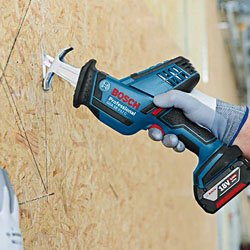
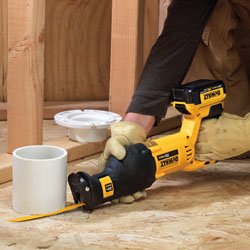
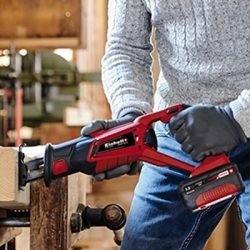
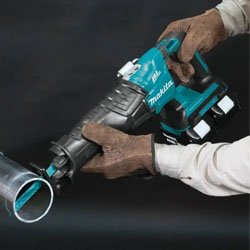
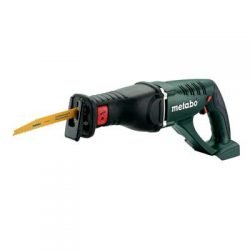
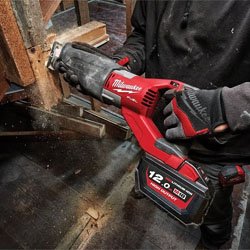
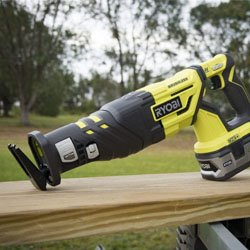


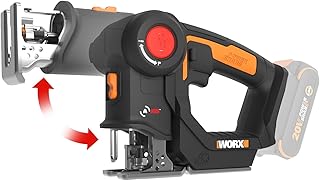


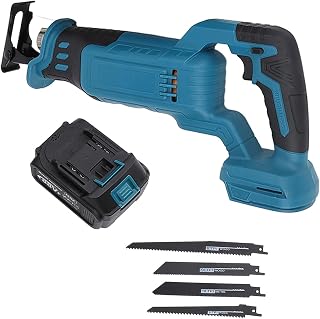
A precision cordless reciprocating saw is best evaluated as a complete cutting system rather than simply by motor power. For Canadian buyers, the right model needs to balance cutting control, stroke characteristics, battery platform, vibration management, blade compatibility, cold-weather practicality and overall handling. A saw that is powerful on paper may not be the best choice when the job requires clean starts, controlled cuts, overhead work or repeated trimming.
This buying guide expands the key considerations behind choosing a precision cordless reciprocating saw in Canada in 2026. Use it to compare specifications, understand the differences between professional and DIY-oriented models, and narrow down which features actually matter for your work.
Reciprocating saws are traditionally associated with fast demolition and rough cutting, but modern cordless models can also be configured for more controlled work. Precision in this category does not necessarily mean the tool produces finish-quality cuts like a circular saw or jigsaw. Instead, it refers to how effectively the saw allows the user to control the blade, position the shoe, manage vibration and regulate cutting speed.
A precision-focused reciprocating saw should provide predictable trigger response, stable blade movement, a useful shoe design and enough control to avoid excessive wandering. Electronic speed control, variable-speed triggers and adjustable operating modes can be particularly valuable when moving between wood, metal, plastic and other materials.
A high-powered motor can increase productivity, but maximum output is only one part of the equation. Excessive speed or aggressive blade movement can make a cut harder to control, particularly when working close to finished surfaces. For detailed work, a balanced tool with controllable speed and manageable vibration may be more useful than the most powerful model in a product lineup.
Stroke length describes how far the blade travels during each reciprocating cycle. A longer stroke can remove material quickly and is useful for demanding cuts, while a shorter or more controlled stroke can be easier to manage for certain applications. Stroke rate, usually expressed as strokes per minute, also influences cutting behaviour.
Do not evaluate stroke length independently. A saw's motor, electronics, blade type, stroke rate and user control all interact. The best specification depends on what you intend to cut rather than on selecting the largest number.
Cordless reciprocating saws are commonly designed around a manufacturer's battery ecosystem. If you already own compatible batteries and a charger, staying within that platform can significantly affect the overall value of a tool-only purchase.
Popular professional and consumer ecosystems include DeWalt, Milwaukee, Makita, Bosch, Ryobi and other established power-tool manufacturers. Battery compatibility is generally platform-specific, so do not assume that batteries with similar voltage ratings can be interchanged between brands.
When comparing a kit with a bare tool, check exactly what is included. A package may contain the saw, one or more batteries, a charger, blades and a storage case, while another listing may contain only the tool body.
A variable-speed trigger is one of the most useful controls for precision-oriented cutting. It allows the operator to start slowly, establish the blade position and then increase speed when the cut is stable.
Variable speed can also help when working with different materials. Thin metal, plastic and delicate components may benefit from a more controlled cutting rate, while structural wood and demolition applications can justify higher operating speeds.
Some reciprocating saws offer orbital action, in which the blade follows a more aggressive movement pattern. This can improve cutting speed in suitable wood-cutting applications, but it is not automatically desirable for precision work.
When a saw provides selectable orbital action, consider whether you can disable it. A straight reciprocating mode can offer more controlled movement for applications where aggressive material removal is less important than cut management.
A tool-free blade clamp makes it easier to change blades between materials and applications. Examine how accessible the clamp is, whether it accepts commonly available reciprocating-saw blade configurations and whether the mechanism appears practical when wearing work gloves.
Blade retention is especially important. The blade should be securely held while the mechanism still permits straightforward changes. A convenient clamp can save considerable time when a project requires frequent switching between wood and metal blades.
The shoe supports the tool against the workpiece and helps control the blade's engagement with the material. An adjustable or pivoting shoe can be useful because the contact angle changes as the cut progresses.
For controlled cutting, look for a shoe that feels substantial and remains stable during operation. A poorly matched shoe design can make it harder to maintain consistent contact, particularly during awkward cuts.
Reciprocating saws naturally generate substantial movement because the blade travels rapidly back and forth. Vibration therefore deserves more attention than a simple motor-power comparison.
Effective vibration management can improve comfort and help the user maintain control during longer cutting sessions. Look for manufacturer-described vibration-reduction systems, balanced construction and handles designed to provide secure control without requiring excessive grip force.
A heavier saw can sometimes feel substantial and stable, but weight becomes more noticeable during overhead or extended work. Conversely, an extremely lightweight design is not automatically better if the balance makes the tool feel front-heavy.
Pay attention to where the battery, motor and reciprocating mechanism sit relative to the main grip. A well-balanced saw can feel easier to position even when its published weight is not the lowest in the category.
Brushless motors are widely used in modern cordless power tools and can offer advantages in efficiency, durability and electronic control. They are particularly common in higher-end tools intended for frequent use.
Brushed models can still be suitable for occasional DIY work, especially when the purchase price and intended workload make them appropriate. The important question is not simply whether a saw is brushless, but whether the complete tool matches your expected frequency and intensity of use.
For wood cutting, blade selection is critical. Coarser teeth can remove material quickly, while finer blades can provide more controlled cutting behaviour. Construction lumber, branches, plywood and finished wood can all require different blade approaches.
For fast wood cutting, a higher-speed configuration and an appropriate wood blade can be advantageous. For controlled work close to finished surfaces, slower trigger operation and a suitable fine-tooth blade may provide better handling.
Metal requires blades specifically designed for the material. Bi-metal blades are commonly used for a range of metal-cutting applications, while specialized blades may be appropriate for particular thicknesses or materials.
When cutting metal, avoid assuming that maximum speed is always best. Blade choice, material thickness, tooth configuration and controlled feed pressure all influence cutting performance.
A cordless reciprocating saw can be useful for cutting pipe, especially in confined construction and renovation environments. The compactness of a cordless design eliminates the need to manage a power cord around the work area.
For plastic pipe, select a blade appropriate for the material and use controlled pressure. For metal pipe, choose a suitable metal-cutting blade and consider the pipe diameter, wall thickness and access around the workpiece.
Some reciprocating saws are used for pruning, although a dedicated pruning saw may be preferable for frequent garden work. If using a reciprocating saw for branches, choose a pruning blade designed for green wood and consider the tool's weight, balance and control.
Do not judge pruning suitability solely by motor power. A manageable tool and an appropriate blade can be more important for controlled cuts in branches.
The reciprocating saw is only half of the cutting system. Blade geometry has a major influence on speed, cut quality, durability and the material that can safely be cut.
Blade tooth configuration is usually selected according to the material and desired cutting behaviour. Coarser configurations generally favour faster material removal in suitable materials, while finer configurations can provide more controlled cutting and are often useful for thinner materials.
A longer blade can be useful when cutting larger sections, but excessive blade length may make precise positioning more difficult. Choose enough blade length to pass safely through the workpiece without unnecessarily increasing blade exposure.
Bi-metal construction is common for versatile reciprocating-saw blades because it combines different material properties within the blade. These blades are useful for many general-purpose wood and metal applications, depending on the specific blade design.
Carbide-tooth reciprocating blades are designed for demanding applications and particular materials. They can be useful where standard blades wear too quickly, but their suitability depends on the material and manufacturer's intended application.
Canadian buyers should consider more than the advertised tool specification. Climate, battery storage, regional availability, electrical standards for chargers and the practical realities of working in garages, workshops and outdoor environments can all affect ownership.
Lithium-ion batteries can be affected by low temperatures. If cordless tools are stored in an unheated garage during Canadian winters, avoid treating extreme cold as normal operating storage conditions. Follow the battery manufacturer's storage, charging and temperature guidance.
Allow a cold battery to return to an appropriate temperature before charging when required by the manufacturer's instructions. Do not use or charge a battery that shows signs of physical damage, swelling or other abnormal behaviour.
When buying a kit that includes a charger, verify that the charger is intended for the Canadian market and compatible with the relevant electrical supply. This is especially important when comparing imported listings or marketplace offers.
Tool-only products can appear less expensive because they exclude batteries and chargers. If you are entering a battery platform for the first time, calculate the cost of the complete system rather than comparing the bare-tool price alone.
If you already have several compatible batteries, a tool-only purchase may be more practical. Always confirm exact battery compatibility because manufacturers may maintain multiple generations or voltage families.
The distinction between professional and DIY tools is not limited to motor output. Professional-oriented models may emphasize durability, electronic controls, ergonomics, battery-platform integration and repeated-use performance. DIY models can prioritize affordability, simplicity and adequate performance for occasional projects.
Not every premium feature produces a meaningful benefit for every buyer. Prioritize upgrades that directly correspond to your workload.
Marketing specifications can make one reciprocating saw appear dramatically better than another even when the difference has little practical effect on your projects.
More power can be useful, but it can also mean additional weight, cost and aggressive cutting behaviour. Select performance according to your applications instead of assuming the highest specification is automatically the best choice.
A saw may look attractive at the tool-only price but become considerably more expensive once a battery and charger are added. Compare complete ownership cost whenever you are starting a new platform.
A high-quality saw paired with an unsuitable blade can deliver disappointing results. Confirm the blade's intended material, tooth configuration and length before judging the tool's performance.
Reciprocating saws are often used in awkward positions. A tool that is comfortable for a short demonstration may become tiring during extended overhead, vertical or confined-space work.
Maximum speed is only useful when it can be controlled. A responsive variable-speed trigger can be more relevant to precision work than a higher maximum strokes-per-minute rating.
Before comparing two listings, check whether each includes the same type and quantity of batteries, charger, blades, case and other accessories. Product names can look similar while package contents differ substantially.
When two models appear similar, use a structured comparison rather than relying on headline specifications.
Established brands such as DeWalt, Milwaukee, Makita, Bosch and Ryobi offer cordless tool ecosystems that can be relevant when comparing reciprocating saws. The strongest choice depends on the specific model, battery platform and intended workload rather than brand recognition alone.
When considering DeWalt reciprocating saws, compare the exact model's battery family, brushless configuration, control features, stroke characteristics and package contents. Buyers already using compatible DeWalt cordless tools may find platform continuity especially useful.
Milwaukee offers multiple cordless tool families, so verify the exact battery platform associated with the saw. Compare ergonomics, cutting controls, included equipment and manufacturer specifications rather than assuming every model provides the same feature set.
Makita cordless reciprocating saws should be evaluated according to the specific battery ecosystem, tool balance, motor technology, speed control and intended cutting applications. Existing Makita users should pay particular attention to battery compatibility.
Bosch offers power tools across several product categories and price levels. When evaluating a Bosch reciprocating saw, examine the individual model's specifications, included accessories and intended user profile instead of relying on the brand name alone.
Ryobi can be relevant for homeowners and DIY users who value a broad cordless ecosystem. As with other brands, compare the exact tool, battery platform, control features and intended workload before making a purchase decision.
Precision does not remove the risks associated with a reciprocating saw. The exposed blade can cut rapidly, and the workpiece can move unexpectedly if it is not adequately secured.
Routine maintenance can help preserve the tool's performance and identify problems before they become more serious.
Dust, wood particles and metal debris can accumulate around ventilation areas, the shoe and blade-clamp mechanism. Follow the manufacturer's cleaning instructions and avoid introducing liquids into areas that are not designed for them.
Check the blade-retention mechanism periodically for debris, abnormal movement or signs of damage. A blade should be securely retained before operation.
Dull or damaged blades increase cutting resistance and can encourage excessive pressure. Replace blades when their condition indicates that continued use is no longer appropriate.
Store and charge batteries according to the manufacturer's recommendations. Avoid exposing battery packs to conditions outside their specified operating or storage ranges.
Even a well-designed saw requires proper technique. Start the blade at a controlled speed and establish stable contact with the workpiece before increasing speed when appropriate.
Use the shoe to support the tool rather than relying entirely on arm strength. Maintain a comfortable grip and avoid forcing the blade through the material. Excessive pressure can reduce control, increase vibration and accelerate blade wear.
For difficult cuts, let the blade and tool do the cutting rather than trying to compensate for an unsuitable blade with additional force. If the cut is slow, reconsider the blade selection, material thickness and operating mode before simply applying more pressure.
A reciprocating saw is exceptionally versatile, but versatility does not make it ideal for every cut. If the primary goal is a very straight, clean cut through sheet goods or dimensional lumber, a circular saw may be more appropriate. For curved or detailed cuts in thinner materials, a jigsaw can provide better control.
For very small pruning jobs, a compact pruning tool may be easier to manage. For repetitive metal fabrication where cut accuracy and finish are critical, a specialized cutting machine may offer better results.
The best reciprocating saw is therefore the one that fits the task rather than the one with the largest specification sheet.
For most buyers, the most sensible approach is to identify the required use case before comparing individual models. Start with material type, cutting frequency and battery platform. Then narrow the choices using weight, balance, speed control, stroke characteristics, shoe design, vibration management and blade compatibility.
If you already own a cordless platform, battery compatibility should normally be one of the first filters. If you are starting from scratch, compare the broader ecosystem rather than selecting a saw in isolation. A battery platform that also supports drills, impact drivers, grinders, lights and other tools can provide greater long-term flexibility.
Finally, compare the complete package and verify the current Canadian listing details before purchasing. Product specifications, package contents and availability can change, so the manufacturer's current documentation and the retailer's current product page should take precedence over older descriptions.
There is no single model that is best for every Canadian buyer. The right choice depends on material, workload, battery platform, desired control, tool weight and budget. Compare the exact specifications and package contents of the models you are considering.
A brushless motor can be advantageous for frequent use because of its efficiency and modern electronic design, but it is not automatically necessary for occasional DIY projects. Match the motor technology to your expected workload.
Voltage should not be treated as a standalone measure of cutting performance. Motor design, electronics, battery capacity, stroke characteristics and blade selection also influence real-world capability.
Yes, many reciprocating saws can be used for both materials when paired with appropriate blades. The blade should be specifically selected for the material and application.
Many cordless models are designed for demanding construction and renovation applications. Whether a particular model is suitable depends on its manufacturer-specified capabilities, battery system, workload and cutting requirements.
Not necessarily. A longer stroke can improve material removal in suitable applications, but precision, control, blade choice, vibration and ergonomics can be more important for controlled work.
A tool-only model can make sense when you already own compatible batteries and a charger. If you do not have the platform, compare the total cost of the saw, battery and charger before deciding.
Choose blades according to the materials you expect to cut. A practical starting selection may include an appropriate wood blade, a metal-cutting blade and, where relevant, a pruning blade. Match tooth configuration and blade length to the application.
Vibration control is particularly important for users who operate the saw for extended periods or need accurate positioning. A tool that is easier to control can be preferable to one that simply has a higher maximum performance figure.
Some models can be used for pruning when fitted with an appropriate pruning blade. However, consider the saw's weight, balance and intended use, particularly if you will be working above shoulder height or for extended periods.
The strongest precision cordless reciprocating saw choice is ultimately a balance of control, cutting capability, ergonomics, battery compatibility and long-term practicality. Instead of choosing solely by headline power or price, compare the complete tool system against the materials and projects you actually expect to handle. That approach makes it easier to identify a model that provides useful performance without paying for features that do not contribute to your work.