
♥ Wishlist


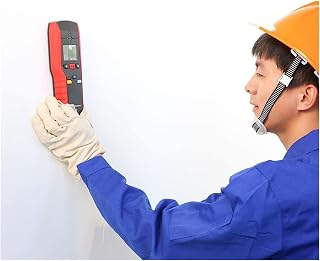


A corded wall scanner is designed to help identify hidden objects behind walls before drilling, cutting, mounting or carrying out renovation work. These scanners can be useful for locating wood or metal studs, electrical wiring, pipes and other concealed materials. For Canadian homeowners, contractors and DIY users, choosing the right detector can make wall-related work more efficient while helping reduce the risk of drilling into an unexpected obstruction.
Unlike battery-powered devices, corded equipment is designed around a continuous power connection, which can be useful during longer jobs where uninterrupted operation matters. When comparing models, consider the type of wall you will scan, the materials you need to detect and the depth at which you expect those materials to be located.
Wall scanners can vary considerably in their detection capabilities. Basic models may focus on studs or metal, while multifunction scanners can provide separate modes for wood, metal and electrical wiring. Some products are designed for deeper detection and more demanding construction applications.
The best corded wall scanner for your needs depends on more than the product name. Pay attention to the detection modes, scanning depth, display and controls. A clear display can make readings easier to interpret, while adjustable sensitivity can help users adapt the scanner to different surfaces and conditions.
Multiple detection modes allow one scanner to handle several types of material. If you regularly work on renovations, a multi-mode wall scanner may be more versatile than a basic stud finder.
Depth capability is important when working with thicker walls or when concealed objects are positioned farther from the surface. Check the manufacturer's stated detection specifications and remember that actual performance can vary according to wall construction and material.
LCD or backlit displays can provide visual information about detected objects, while audible alerts can make scanning easier when your attention is focused on the wall. A straightforward interface is especially useful for occasional DIY users.
Adjustable sensitivity and calibration features can help accommodate different surfaces. Following the manufacturer's instructions and scanning the area methodically is important for obtaining useful results.
A wall scanner can be useful for a variety of household and professional tasks. Before installing shelves, cabinets, fixtures or wall-mounted equipment, scanning can help identify concealed materials. Renovation projects may also benefit from checking walls before drilling or cutting.
For professional construction work, a higher-specification scanner with multiple modes and deeper detection may be preferable. For occasional household projects, a simpler model may provide the functions you need without unnecessary complexity.
Start by identifying the materials you need to locate. If your primary task is finding studs, a dedicated stud-finding function may be sufficient. If you need to identify metal and electrical wiring as well, consider a multi-function wall scanner.
Next, compare detection depth, accuracy-related features, display design, sensitivity settings and ease of use. Canadian shoppers should also check the product's electrical requirements, included accessories, warranty information and compatibility with the intended working environment before purchasing.
Keep the scanner flat against the surface and move it steadily according to the manufacturer's instructions. Avoid rushing across the wall, and repeat a scan when a reading is unclear. Where electrical wiring or plumbing could present a serious hazard, do not rely solely on a consumer scanner. Confirm conditions using appropriate professional methods before drilling or cutting.
Whether you are completing a home improvement project or working on a construction site, selecting an appropriate corded wall scanner can make concealed-object detection more convenient. Compare the available models by detection capability, depth, controls and intended use to find a scanner suited to your project.
Find corded wall scanners for renovation, construction and DIY projects in Canada. Compare wall detectors designed to locate studs, metal, pipes and electrical wiring, with features such as multiple scanning modes, depth detection, displays and adjustable sensitivity.