

♥ Wishlist
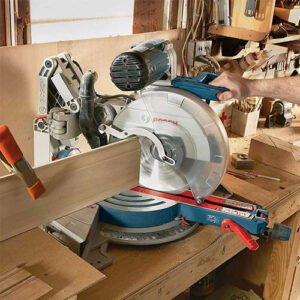
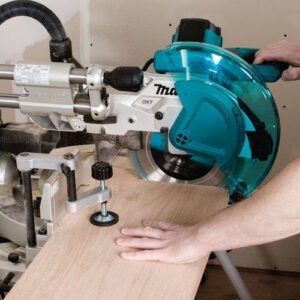
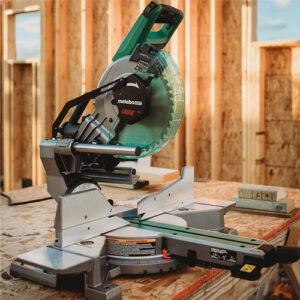


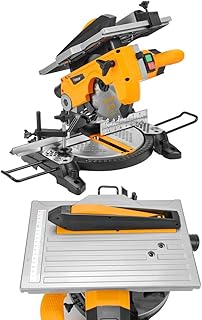


A corded mitre saw is a stationary power saw designed to make accurate crosscuts and angled cuts in wood and other compatible materials. Unlike cordless models that rely on rechargeable batteries, corded mitre saws connect to a mains power supply, providing a continuous source of power while you work. This makes them particularly useful for workshops, job sites with suitable electrical access and projects that involve repeated cuts.
For Canadian shoppers, choosing the right mitre saw starts with understanding the type of work you expect to do. A basic model can be suitable for straightforward crosscuts and trim work, while more advanced options may provide additional adjustment, cutting capacity and bevel functionality. Consider the materials, dimensions and angles involved in your typical projects before selecting a saw.
One of the main advantages of a corded model is uninterrupted operation. When an appropriate power outlet is available, you can continue cutting without stopping to recharge or replace a battery. This can be useful when working through long lengths of timber, preparing multiple components or completing larger woodworking jobs.
Mitre saws are also valued for repeatable cuts. Their pivoting cutting mechanism allows the blade to be positioned at different angles, helping you create clean mitre cuts for applications such as framing, moulding, trim, shelving and furniture components. Depending on the model, additional bevel adjustment can make it possible to produce compound cuts for more demanding projects.
When comparing corded mitre saws, look beyond the basic power specification. Blade size can affect cutting capacity and the dimensions of material the saw can handle. A larger blade may offer greater capacity, while a more compact saw can be easier to position in a smaller workshop.
Mitre and bevel adjustment are also important. Look for clear angle markings, positive stops and controls that make adjustments straightforward. If your projects require compound cuts, check the available bevel range and whether the saw is designed to tilt in the direction you need.
Dust collection can make a noticeable difference when cutting wood indoors. A suitable dust port or collection system can help manage sawdust around the cutting area. You should also consider the saw's footprint, handle design, table support and overall ease of use, particularly if you regularly move equipment around a workshop or job site.
A corded mitre saw can be a versatile addition to a woodworking setup. It can help with cutting timber for renovation work, producing consistent trim pieces, preparing framing components and making angled cuts for joinery. DIY users may appreciate the repeatability of a mitre saw when completing home improvement projects, while experienced woodworkers can use one for production-style cutting tasks.
Mitre cuts are commonly required when joining trim around corners. A mitre saw can help produce repeatable angled cuts when the material is positioned and secured correctly. Always verify measurements and make test cuts where appropriate before cutting finished pieces.
For projects involving repeated crosscuts, a corded mitre saw can provide a convenient way to prepare timber efficiently. A model with suitable cutting capacity can handle a range of common woodworking dimensions, but specifications should always be checked against the material you intend to cut.
Before purchasing, consider where the saw will be used. A stable, well-supported work surface is important for controlled cutting, and sufficient clearance should be available around the saw for longer workpieces. If you plan to use the saw on different sites, consider its portability as well as access to an appropriate electrical supply.
Canadian workshops and job sites can vary considerably in size and working conditions, so practical details such as cord length, available workspace, dust management and storage can be just as important as cutting specifications. Check the product's electrical requirements and operating instructions to ensure it is appropriate for your intended setup.
Getting good results from a mitre saw involves more than selecting the right machine. Measure carefully, mark the workpiece clearly and make sure the material is properly supported. Check the angle setting before each series of cuts and use the manufacturer's recommended procedures for blade changes, adjustments and operation.
Safety should always be a priority. Wear appropriate eye and hearing protection, keep hands away from the blade path, secure the workpiece and follow the manufacturer's instructions. Disconnect the saw from its power source before performing maintenance or changing components.
Whether you are working on trim, framing, furniture components or general DIY woodworking, a corded mitre saw can offer dependable mains-powered operation and repeatable angled cutting. Compare blade size, cutting capacity, mitre range, bevel functionality, dust collection and workspace requirements to identify the option that best matches your projects.
Browse the cordless-free, mains-powered mitre saw options available in this category and review each product's specifications before making a purchase. Selecting a saw based on your actual cutting requirements can help you build a practical and efficient woodworking setup.
Find a corded mitre saw for precise crosscuts, mitre joints and angled woodworking projects. A mains-powered mitre saw provides consistent cutting performance without relying on battery charging, making it a practical choice for workshops, renovation projects and regular wood-cutting tasks across Canada.