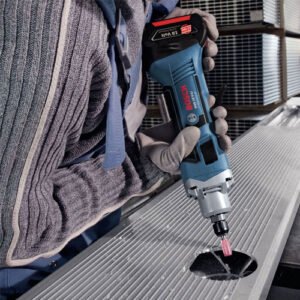
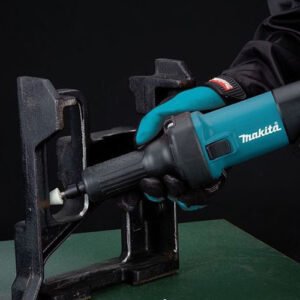


Best Corded Die Grinders for Powerful, Precise Workshop Work Products online Canada
Explore our real-time updated product directory index curated for performance, verified star metrics, and historical consumer trust rankings.


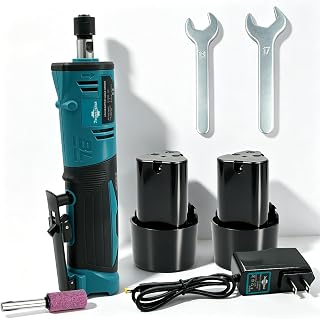


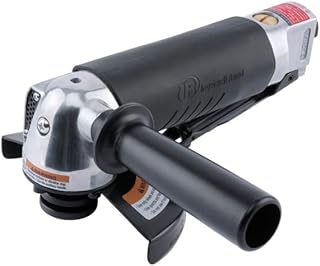


A corded die grinder is a versatile electric power tool designed for controlled grinding, polishing, deburring, shaping and finishing. Unlike cordless models, a corded grinder draws power directly from an electrical outlet, making it a practical choice for workshop environments where uninterrupted operation is more important than portability. For Canadian shoppers who regularly work at a bench, in a garage, fabrication area or professional shop, a corded die grinder can provide dependable performance throughout demanding jobs.
Die grinders are commonly used with accessories such as grinding stones, carbide burrs, sanding drums, polishing wheels and other rotary attachments. This allows one compact tool to handle a wide variety of finishing and material-removal tasks. Depending on the model and accessory, applications can include smoothing welds, cleaning metal edges, removing burrs, shaping components, polishing surfaces and working on detailed areas that may be difficult to reach with larger grinders.
One of the biggest advantages of a corded die grinder is its continuous power supply. There is no battery capacity to monitor and no need to stop work to recharge a pack. This can be especially useful for extended grinding or finishing sessions where consistent performance matters. A corded model can also be a cost-effective choice for a dedicated workshop because you do not need to purchase and maintain separate batteries and chargers.
Electric corded die grinders are available in different power levels, speeds and configurations. When comparing models, consider the type of work you perform most often. Higher-powered models may be better suited to heavier grinding and demanding applications, while compact models can offer easier handling for detail work. Variable-speed control is another useful feature because it allows the operator to adjust the tool to suit the accessory, material and desired finish.
Motor output is an important consideration when choosing a corded die grinder. More demanding grinding tasks may benefit from a stronger motor, while lighter polishing, finishing and detail applications may not require as much power. Compare the manufacturer's stated wattage, horsepower or other performance specifications rather than choosing solely by maximum speed.
Many electric die grinders operate at high rotational speeds, and variable-speed control can make the tool more versatile. Lower speeds can be useful for certain polishing and finishing applications, while higher speeds may be appropriate for material removal when the accessory is rated for that speed. Always match the accessory's maximum rated RPM to the grinder before use.
Collet size determines which accessories can be fitted to the grinder. A 1/4-inch collet is a common configuration for die-grinder accessories, although other sizes may be available. Check the specifications carefully and make sure your preferred burrs, stones, cutting accessories or polishing attachments are compatible with the selected tool.
A traditional straight die grinder is useful for general-purpose grinding and finishing, while a right-angle die grinder can provide improved access in confined areas. Your choice should reflect the shape of the workpiece and the spaces in which you typically operate. Ergonomics, grip design and overall tool length can also affect comfort during longer jobs.
Corded die grinders are useful across automotive repair, metal fabrication, welding, maintenance, woodworking and general workshop projects. They can help remove weld spatter, smooth rough edges, clean up castings, shape metal, polish surfaces and prepare components for further finishing. With the appropriate accessory, the same tool can perform several different tasks without requiring a large collection of specialised power tools.
For automotive and fabrication work, a die grinder can be particularly useful for reaching small areas and contours. In woodworking or craft applications, compatible rotary accessories may be used for controlled shaping and detail work. Always select accessories specifically rated for the material and application, and follow the grinder and accessory manufacturer's instructions.
Start by identifying the jobs you expect to perform most frequently. If your priority is continuous workshop use, a corded model can be an excellent alternative to a battery-powered grinder. If you frequently work in confined spaces, consider a right-angle configuration. For jobs that require different accessories or varying material-removal rates, look for a model with suitable collet compatibility and variable-speed control.
Canadian shoppers should also consider the electrical requirements of the model, cord length, plug configuration and the availability of compatible accessories. Checking the product specifications before ordering helps ensure that the grinder is appropriate for your intended workspace. For Canadian projects, pricing, availability and delivery options can also vary between listings, so comparing current offers can help you find better overall value.
High-speed rotary tools should always be handled with care. Wear appropriate eye protection and other protective equipment recommended for the task. Secure the workpiece before grinding, keep hands away from rotating components and never exceed the accessory's rated operating speed. Disconnect the grinder from the electrical supply before changing accessories or performing maintenance.
Regular maintenance can help keep a corded die grinder operating reliably. Clean dust and debris from ventilation openings, inspect the power cord and plug for damage, and check accessories for signs of wear before use. Store the tool in a clean, dry location and follow the manufacturer's maintenance recommendations. If brushes, bearings or other serviceable components show signs of wear, have the tool inspected or serviced according to the manufacturer's instructions.
There is no single best corded die grinder for every project. The right choice depends on motor power, operating speed, collet size, tool shape, ergonomics, accessory compatibility and the type of work you need to complete. Comparing these features before buying can help you select a model that delivers the right balance of power, control and durability.
Whether you are a professional tradesperson looking for a dependable workshop grinder or a DIY user needing a versatile tool for occasional projects, a corded die grinder can provide consistent electrical power and precise rotary control. Explore the available options and compare specifications, features and current Canadian availability before choosing the model that best matches your work.
Find a corded die grinder for dependable power, detailed metalwork, polishing, deburring and shaping. Our Canada-focused category makes it easier to compare electric die grinders, variable-speed models, right-angle designs and heavy-duty options for professional tradespeople, automotive work, fabrication and DIY projects.