

♥ Wishlist


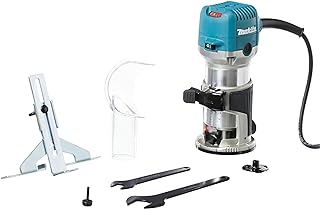


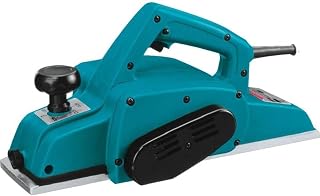


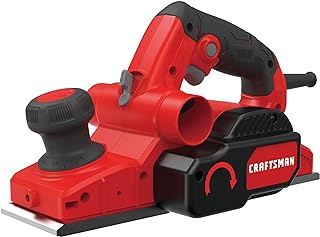


A Makita corded planer is designed for woodworkers, contractors, renovators, and DIY users who need consistent cutting power for shaping and smoothing timber. Unlike cordless models, a corded electric planer draws power directly from an electrical outlet. This makes it a practical choice when you expect to work for extended periods and do not want to stop for battery changes or recharging.
Makita is a well-known power tool brand with a broad range of woodworking equipment. Its corded planers are available in different configurations, allowing shoppers to choose a model according to cutting width, motor performance, depth adjustment, portability, and intended workload. For Canadian shoppers, comparing these specifications is especially useful when selecting a planer for home workshops, construction projects, renovation work, or professional carpentry.
One of the main advantages of a corded planer is continuous electrical power. This can be useful when processing multiple boards or completing repetitive planing work. A suitable Makita model can help remove uneven material, refine timber edges, adjust door components, and prepare wood for further finishing.
Many electric hand planers are designed with adjustable cutting depth. This allows users to control how much material is removed with each pass. For delicate finishing work, a shallow setting can provide greater control. When more material needs to be removed, a deeper setting may help complete the task more efficiently. Always follow the manufacturer's specifications and recommended operating procedures.
Motor performance is an important consideration when choosing an electric planer. A suitable motor should match the type of wood and workload you expect to handle. For frequent or demanding work, compare the motor rating and overall specifications rather than choosing solely on price.
Cutting width determines how much material the planer can cover in a single pass. Depth adjustment is equally important because it gives you control over material removal. Check the specifications carefully to make sure the selected model suits your boards and applications.
Planing can involve repeated passes across a workpiece. An ergonomic handle, balanced design, and comfortable controls can make the tool easier to manage. These factors are particularly valuable for longer woodworking sessions.
Woodworking produces chips and dust, so chip ejection and dust collection compatibility are worth considering. A suitable collection setup can help keep the work area more organised and make cleanup easier.
A corded planer can be useful for a variety of woodworking tasks. Common applications include smoothing rough timber, reducing the thickness of boards, trimming doors, adjusting wooden edges, preparing surfaces, and refining workpieces before sanding or finishing. The right application depends on the individual model's specifications and limitations.
For Canadian homeowners and DIY users, a compact handheld planer may be convenient for renovation and repair projects. Professional tradespeople may instead prioritise durability, cutting capacity, handling, and compatibility with accessories. Before purchasing, consider how frequently the tool will be used and the type of material it will process.
Start by identifying your primary woodworking tasks. If you mainly need to trim doors or make small adjustments, a portable handheld model may be suitable. If you regularly work with larger timber or perform heavier material removal, pay closer attention to cutting capacity and motor specifications.
Next, compare the available specifications. Look at cutting width, maximum cutting depth, motor rating, dimensions, weight, blade configuration, dust collection options, and included accessories. A carrying case or additional blades can also add practical value depending on your requirements.
It is also useful to compare customer reviews and current listings before buying. Product availability and pricing can change, so Canadian shoppers should check the latest listing information before making a purchase. Where applicable, review shipping details, seller information, returns, and warranty terms as part of the buying decision.
The key difference is the power source. Corded planers connect to an electrical outlet and can provide continuous operation without battery replacement. Cordless planers offer greater mobility because they are not tied to an outlet, but runtime depends on the battery and workload.
If you normally work in a workshop or another location with convenient electrical access, a corded Makita planer can be a practical option. If portability is your highest priority, a cordless alternative may be worth considering. The best choice depends on your workspace, project duration, required mobility, and available power.
US Tool Mart provides a product directory for Canadian shoppers looking to compare tools and equipment online. The Makita corded planer category can help you review available listings and identify models that match your woodworking requirements. Product listings may include different configurations, specifications, and accessories, so compare the details carefully before selecting a model.
Whether you are a professional carpenter, renovation contractor, furniture maker, or DIY enthusiast, choosing a planer based on your actual workload can help you get better value from your purchase. Focus on cutting capacity, power, handling, compatibility, and intended use rather than relying on a single specification.
Before completing your purchase, confirm the current product specifications, seller information, availability, shipping options, and return conditions on the linked product listing. Prices and inventory may change over time. Comparing several options can help Canadian shoppers find a Makita corded planer that fits both their project requirements and budget.
Find a Makita corded planer for precise woodworking, carpentry, trimming, and surface preparation. Explore available models, compare specifications, and review important features before choosing the right electric planer for your next project in Canada.