

♥ Wishlist




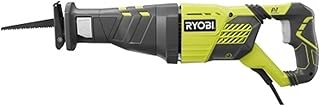


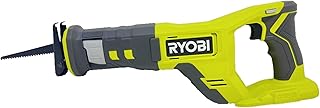

A Ryobi reciprocating saw is a practical cutting tool for projects that require speed, access and versatility. Its back-and-forth blade action makes it suitable for cutting through a wide range of materials, including timber, metal, plastic and selected construction materials. For Canadian homeowners, renovators, tradespeople and DIY users, a reciprocating saw can be useful for demolition, repairs, remodelling and general maintenance.
When choosing a Ryobi reciprocating saw, start by considering the type of work you expect to do. Cutting branches and timber may require a different blade setup from cutting nails, pipes or sheet metal. The right combination of saw, blade and battery platform can make a noticeable difference to the overall cutting experience. Comparing specifications before purchasing can help you select a model that matches your workload.
Reciprocating saws are often used when access is more important than achieving a perfectly straight finish. Their compact cutting area can help when working between studs, around pipes or in locations where larger saws are difficult to position. They are also commonly used for demolition because the blade can cut through various materials with the appropriate blade.
For home renovation work, a cordless model can be especially convenient. Without a power cord, you can move around a work area more freely and work in locations where mains power is not immediately available. Cordless operation can also be useful for outdoor maintenance and construction sites. When comparing cordless options, check battery compatibility and whether the battery and charger are included with the selected product.
Consider the materials you plan to cut and how frequently you will use the saw. Heavier renovation and demolition work may benefit from a model designed for demanding cutting tasks, while occasional DIY jobs may not require the same level of performance. Look at the published specifications and match them to your intended applications.
Stroke characteristics influence how the blade moves through material. A suitable stroke length and variable-speed control can give you greater control across different applications. Slower cutting can be useful when starting a cut or working with sensitive materials, while higher speeds may help with suitable rough-cutting tasks.
Many Ryobi users choose cordless tools for mobility and convenience. If you already use compatible Ryobi batteries, check the product details to determine whether the saw works with your existing battery system. Also consider battery capacity, charging requirements and the amount of cutting you expect to complete between charges.
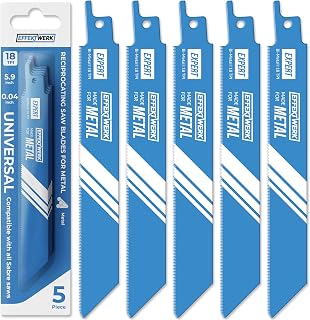
The blade is an important part of reciprocating saw performance. Wood-cutting blades, metal-cutting blades and demolition blades are designed for different applications. Before starting a project, select a blade appropriate for the material. Keeping several blade types available can make a reciprocating saw more versatile for mixed renovation and maintenance work.
A reciprocating saw can be a useful addition to a renovation toolkit. It can help with removing old timber, cutting through selected fasteners, trimming materials and dismantling sections of a structure. The tool is particularly useful when precision finishing is not the primary requirement and fast removal is the main objective.
For demolition work, choose the correct blade for the material and inspect the cutting area before operating the tool. Hidden pipes, electrical wiring and other services can create serious hazards. Follow the manufacturer's instructions and use suitable protective equipment for the task.
Canadian shoppers can compare available Ryobi reciprocating saws by looking at specifications, included accessories, battery requirements and intended applications. Product availability can vary, so reviewing the individual product listing is important before making a purchase. Pay attention to whether a listing includes a battery, charger, blades or tool-only configuration.
Price is another useful comparison point, but it should be considered alongside the specifications and intended use. A model designed for frequent renovation work may offer characteristics that are unnecessary for occasional household projects. Conversely, choosing a basic model for demanding workloads may not provide the cutting performance or convenience you need.
Whether you are preparing for a renovation, maintaining a property or completing a weekend DIY project, a Ryobi reciprocating saw can provide a flexible approach to difficult cuts. Compare the available models according to your material requirements, working environment and preferred power setup.
Before purchasing, review the complete product specifications and confirm compatibility with your existing equipment. Selecting the appropriate blade for each material is equally important. With the right combination of tool and accessories, a reciprocating saw can become a useful part of a versatile Canadian workshop or jobsite toolkit.
Find the right Ryobi reciprocating saw for renovation, construction, maintenance and DIY projects in Canada. Ryobi reciprocating saws are designed for fast, controlled cuts where a standard saw may not be practical. Explore available models and compare the specifications, power options, stroke characteristics and accessories that suit your work.